
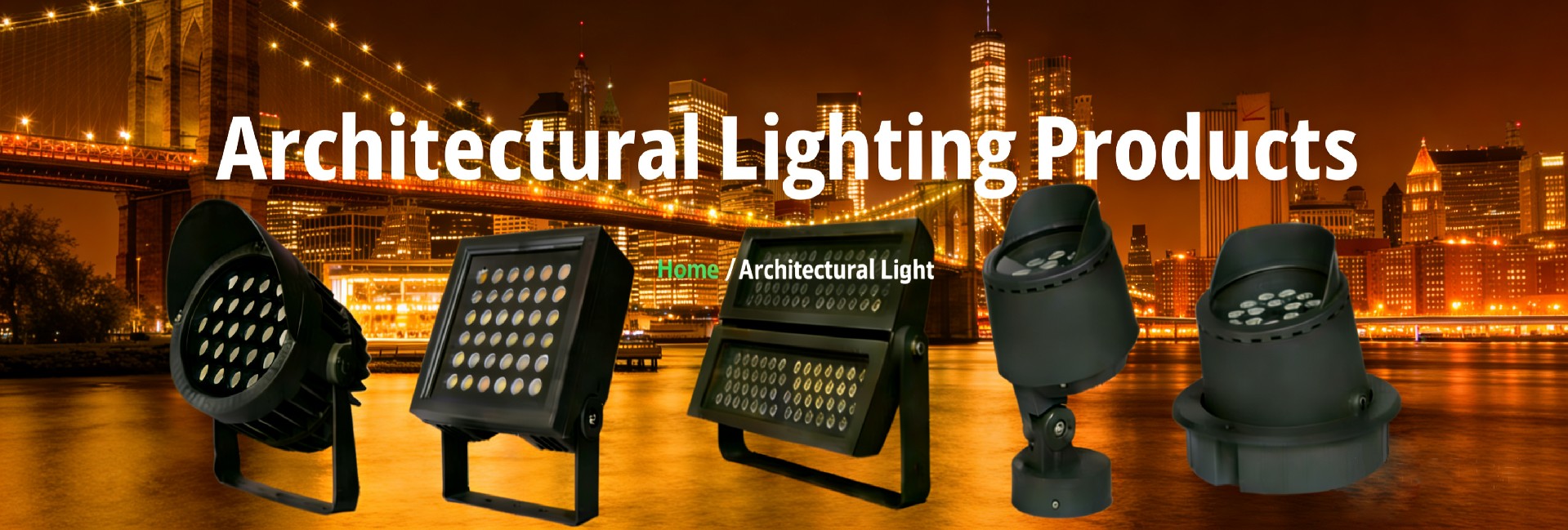
Mosque precinct lighting planning should start with the spaces people actually use at night: entrance approaches, pedestrian paths, courtyard edges, facade viewpoints, landscape borders, and service access. This legacy URL previously used a named-project style, but the current customer source package does not verify a named Faisal Mosque project record, installed fixture model, quantity, city, country, route, control method, or final product schedule. Use this page as a fact-safe planning reference for mosque precincts, civic landmarks, and similar outdoor architectural areas.
Source Boundary For This URL
The useful value of this page is planning structure, not project attribution. Any named case statement, final product binding, or installed-scope statement should be confirmed from approved project records before it is used in a proposal or public case release.
| Potential claim | Current treatment | What should confirm it |
|---|---|---|
| Named landmark project attribution | Not asserted as a completed case | Approved case release or signed project record |
| Fixture model and quantity | Not fixed on this page | Final fixture schedule, drawings, and buyer approval |
| City, country, and installed route | Not treated as verified project scope | Project record with location and site-area notes |
| Control method or scene setup | Kept as a planning question only | Electrical plan, controller list, and commissioning notes |
| Approval or handover documents | Requested before final selection | Buyer-provided files and agreed project documentation |
Planning Zones For Mosque Precincts
A mosque precinct often combines worship arrival, pedestrian circulation, landmark identity, quiet landscape zones, and nearby public spaces. Treating every area with the same light level usually creates glare and weak hierarchy. A better method is to separate zones first, then select fixture families and optical direction for each zone.
| Precinct zone | Planning objective | Selection check |
|---|---|---|
| Entrance approach | Guide visitors without harsh front-facing glare | Check eye-line comfort from walking direction and gate viewpoint |
| Pedestrian path | Support safe movement and visual continuity | Confirm spacing, mounting height, surface reflection, and cable route |
| Courtyard or plaza edge | Keep orientation clear while preserving a calm night scene | Review spill light onto seating, prayer, and gathering areas |
| Facade or minaret view | Show architectural rhythm without flattening the building | Separate grazing, washing, accent, and silhouette effects |
| Landscape border | Frame trees, garden walls, and low planting without overlighting | Check shielding, aiming angle, and maintenance access |
| Service and equipment area | Allow practical inspection while staying visually quiet | Keep product access clear and avoid exposed glare points |
Fixture Family Comparison
The final product choice should come after drawings and target surfaces are confirmed. For early discussion, these Radiant Honor families can be compared by role rather than treated as a fixed bill of materials.
| Fixture family | Where it can help | What to confirm first |
|---|---|---|
| LED in-ground lights | Walkway edges, column bases, low facade accents, and landscape borders | Recess detail, drainage condition, trim finish, lens direction, and pedestrian comfort |
| Wall lights and wall-wash products | Vertical surfaces, boundary walls, facade rhythm, and nearby architectural edges | Mounting surface, beam spread, cable route, and daytime visual impact |
| Flood light and spotlight families | Facade accents, distant aiming, trees, sign-free landmark surfaces, and feature zones | Target area, beam choice, bracket position, shielding, and night review angle |
| Pole-mounted spotlights | Wider precinct views, garden edges, and areas where ground mounting is not preferred | Pole position, aiming direction, service access, and view from nearby paths |
| Anti-glare accessories | Visitor-facing viewpoints, low mounting positions, and narrow visual corridors | Fixture compatibility, shielding depth, finish, and mock-up result |
Glare And Visitor-Comfort Checks
Religious and civic exterior spaces need respectful light, not maximum brightness. A planning review should test what visitors see from normal walking positions, what neighbors or nearby roads see from outside the precinct, and whether the building still keeps its character after dark.
| Check | Why it matters | Practical review method |
|---|---|---|
| Purpose of each light | Unneeded light weakens hierarchy and increases visual noise | Mark every fixture against a target surface or visitor task |
| Aiming direction | Poor aiming causes direct glare and spill light | Review beam direction from entrance, path, and courtyard viewpoints |
| Light level discipline | Over-bright scenes can reduce comfort and flatten architecture | Compare target brightness with surrounding ambient conditions |
| Shielding and accessories | Low or visitor-facing fixtures often need glare control | Mock up hood, louver, trim, or lens options before final selection |
| Control timing | Different night periods may need different operating scenes | Define normal evening, late-night, and maintenance modes in records |
| Maintenance access | Difficult access can make a good layout hard to operate | Check service route, fastener access, and service-space clearance |
Buyer Checklist Before Product Selection
- Share site drawings, facade elevations, walkway routes, and target surface photos.
- Mark which areas need orientation, accent, quiet background light, or practical inspection light.
- Separate visitor-facing viewpoints from long-distance landmark viewpoints.
- Confirm mounting positions before asking for exact beam choices.
- Record finish color, trim preference, cable routing, and service access requirements.
- Prepare approval files for fixture model, optical option, mounting method, and project scope.
- Use a night mock-up when glare, spill light, or facade character is uncertain.
Common Planning Mistakes
| Mistake | Possible result | Better approach |
|---|---|---|
| Choosing wattage before target surfaces | The layout may become too bright in one zone and weak in another | Define surface, distance, beam role, and view angle first |
| Using one fixture type for every zone | Paths, walls, trees, and entrances lose useful hierarchy | Map each zone to a role before comparing product families |
| Ignoring daytime appearance | Visible hardware may disturb clean architectural lines | Review bracket, trim, finish, and cable route in daylight drawings |
| Skipping visitor eye-line checks | Direct glare can appear even when the target surface looks bright | Check normal walking routes and common photo viewpoints |
| Treating a reference URL as a final case record | Project facts can become overstated or hard to defend | Keep case attribution separate from planning guidance until records confirm it |
Related Planning Pages
For product-family comparison, review LED in-ground lights, LED wall lights, LED flood light families, and pole-mounted LED spotlights. For planning depth, see the beam angle guide and in-ground and wall-wash facade lighting guide. For files and inquiry preparation, use the download center or contact page.
FAQ
Does this page confirm a completed Faisal Mosque lighting project?
No. The current customer source package does not verify a completed named project record for this URL, so the page is treated as a mosque precinct lighting planning reference.
What should a mosque precinct team confirm before selecting lights?
Confirm target zones, walking routes, facade surfaces, mounting positions, aiming limits, cable routes, finish preferences, and the project records needed for approval.
Which fixture families are usually compared for mosque precincts?
Early comparison often includes in-ground lights, wall-wash products, compact flood or spot lights, pole-mounted spotlights, and anti-glare accessories. The final mix should follow drawings and site priorities.
How can glare be reduced around entrances and walkways?
Use careful aiming, shielding accessories, lower visual intensity where possible, and night review from normal visitor eye lines before fixing the layout.
When are in-ground lights useful in a precinct plan?
They can help with low facade accents, column bases, walkway edges, and landscape borders when recess detail, drainage condition, trim finish, and pedestrian comfort are confirmed.
How should facade lighting be planned for a cultural building?
Start with the architectural features that deserve emphasis, then separate grazing, wall washing, accent, and silhouette effects so the building keeps depth after dark.
What information should be sent for a project inquiry?
Send drawings, target-area photos, expected mounting positions, viewing directions, preferred finish, optical questions, and any approval records that define final project scope.
