Products
LED In-Ground Lights for In-Ground LED Uplight Projects
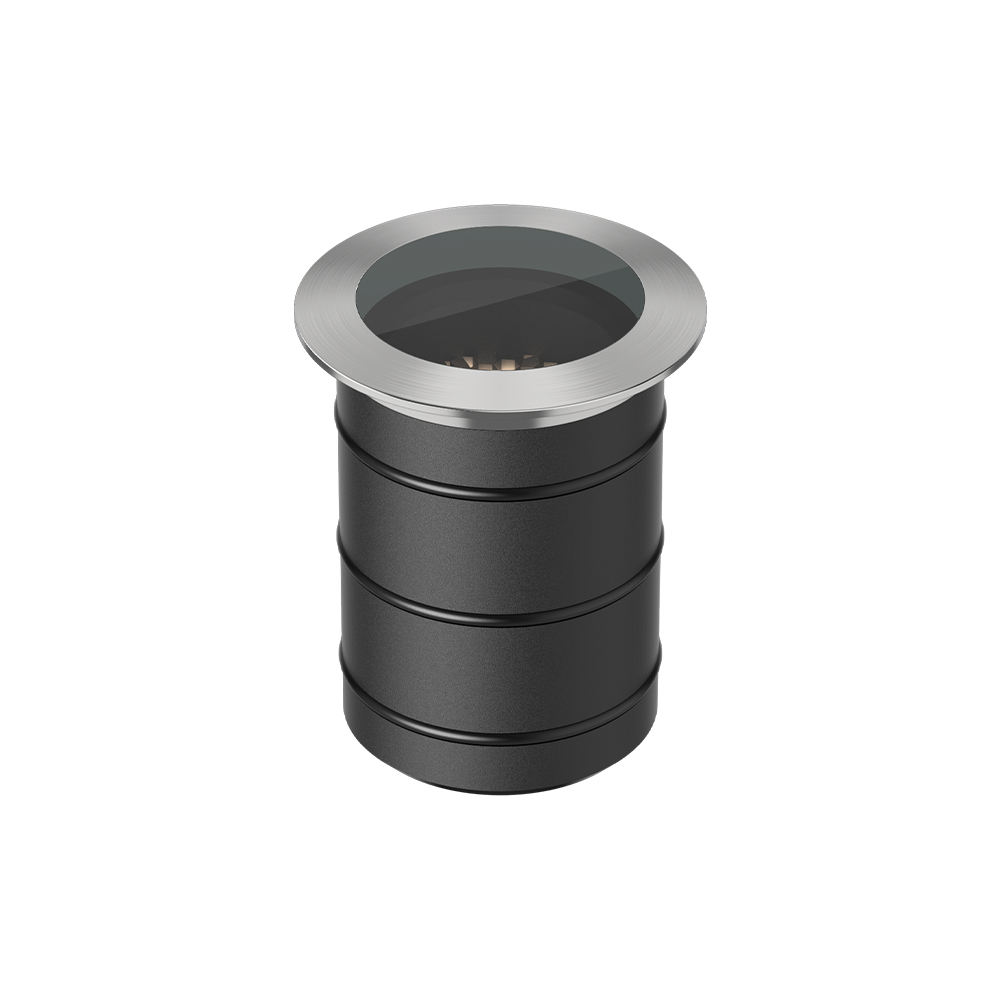
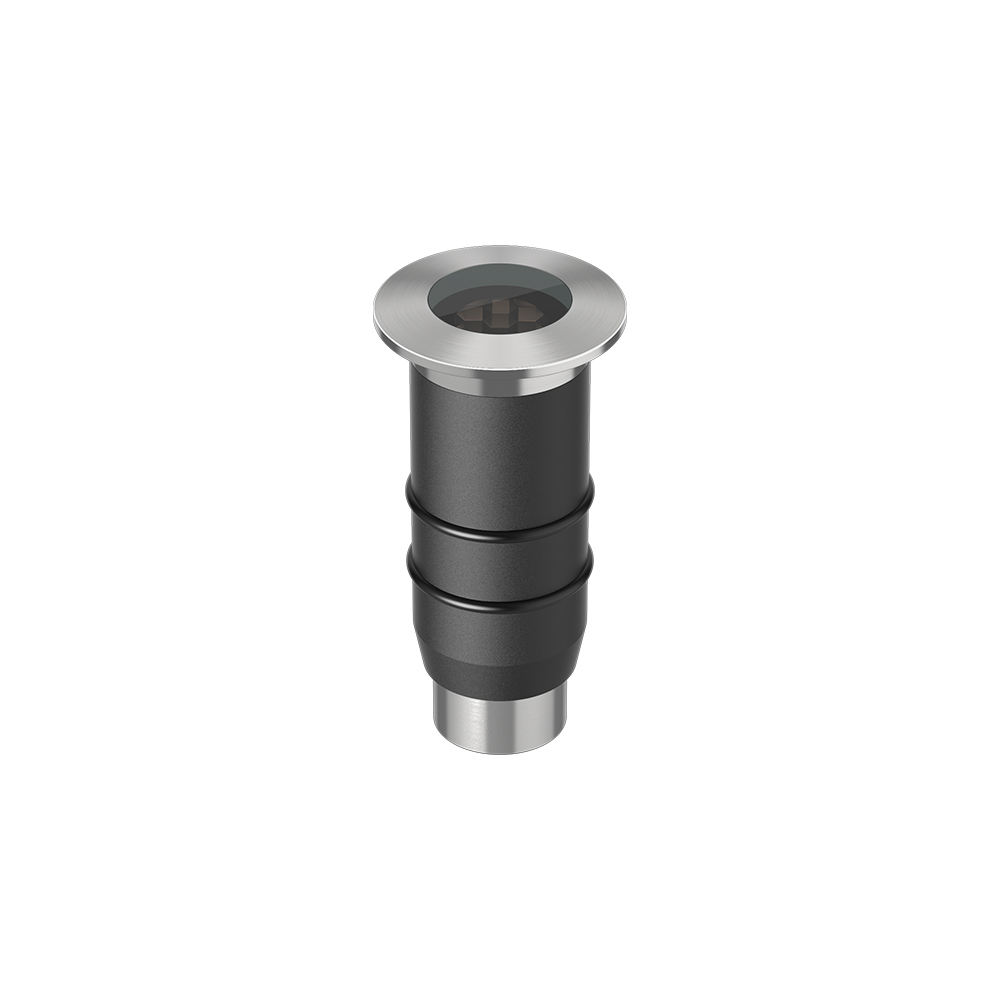
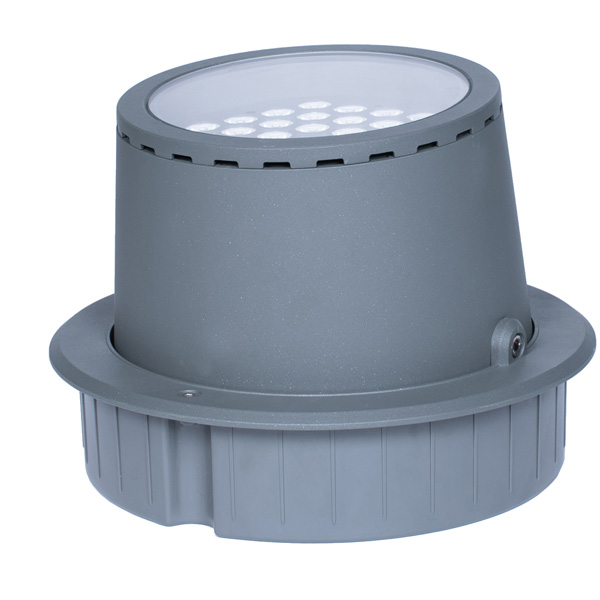
LED in-ground lights are recessed outdoor fixtures used to send light upward from paving, soil, decking, or architectural hardscape. They are selected when a project needs low-profile facade uplighting, tree accents, entrance rhythm, plaza edge lighting, pathway guidance, or discreet outdoor ground lights without visible pole hardware.
Use this category as a selection path rather than one fixed specification. Start with the scene, installation surface, target object, beam effect, glare requirement, drainage condition, cut-out space, service access, and project review files. Then compare the matching product pages or ask for model confirmation.
Which In-Ground LED Uplight Fits the Layout?
| Project scene | What to check first | Typical product direction |
|---|---|---|
| Steps, courtyards, and narrow paths | Low glare, small cut-out, safe walking line, trim comfort, and easy maintenance access | Compact MA-series recessed uplights |
| Facade base and entrance walls | Wall height, fixture distance from wall, beam spread, surface texture, and pedestrian sightlines | Medium-output in-ground uplights or linear wall washer comparison |
| Plaza edges and hotel landscape zones | Drainage path, pedestrian flow, hardscape detail, cable route, and night-view uniformity | MA80, MA100, MA120, or project-confirmed recessed alternatives |
| Trees, columns, and feature objects | Object height, width, aiming direction, shadow control, and access after installation | Narrower beam uplights or adjustable spotlight alternatives |
Selection Checklist Before Model Confirmation
| Input | Why it matters | Buyer should prepare |
|---|---|---|
| Installation surface | Soil, paving, deck, stone, and concrete change the sleeve, cut-out, drainage, and trim plan. | Surface detail, thickness, opening size if known, and installation photos. |
| Lighting target | A tree, column, wall base, sign, path edge, or plaza zone needs a different beam and aiming plan. | Target height, width, distance from fixture line, and desired night effect. |
| Glare control | Walkways, entrances, seating areas, and windows need a fixture line that avoids direct view of the source. | Viewer positions, pedestrian route, nearby windows, and preferred visual comfort. |
| Outdoor condition | Drainage, irrigation, cleaning, foot traffic, and service access affect model confirmation. | Drainage notes, cable route, maintenance access, and required protection grade for review. |
| Project files | Drawings and photos prevent choosing by wattage or appearance alone. | Plan drawings, elevation, site photos, material notes, and any review file requirements. |
In-Ground Light, Wall Washer, or Spike Spotlight?
| Fixture type | Best fit | When to compare another option |
|---|---|---|
| In-ground LED uplight | Flush recessed lighting for facades, trees, plaza edges, entrances, and discreet ground-level accents | When drainage, cutting, load condition, or maintenance access is difficult |
| Linear wall washer | More continuous facade wash, grazing effects, and long vertical surfaces | When a point-source recessed uplight creates uneven scallops or dark bands |
| Garden spike spotlight | Flexible aiming in soil, planting beds, temporary landscape changes, and tree lighting | When the surface must stay uncut or the planting layout may change |
| Bollard or pathway light | Pedestrian guidance and horizontal route marking | When upward accent light would create glare or miss the walking surface |
Common In-Ground Light Selection Mistakes
| Mistake | Better planning move |
|---|---|
| Choosing only by wattage. | Start with target height, beam effect, mounting distance, glare, and surface condition. |
| Ignoring drainage before model choice. | Confirm sleeve, gravel bed, cable route, and access before final product matching. |
| Using the same beam for trees and walls. | Match beam direction to the object: trees, columns, facade bases, and path edges need different effects. |
| Assuming one protection grade from a category query. | Confirm the required outdoor condition and project files before writing it into a purchase decision. |
| Forgetting night-view and sightline checks. | Review glare from entrances, paths, windows, seating areas, and public walkways. |
Recommended Product and Planning Paths
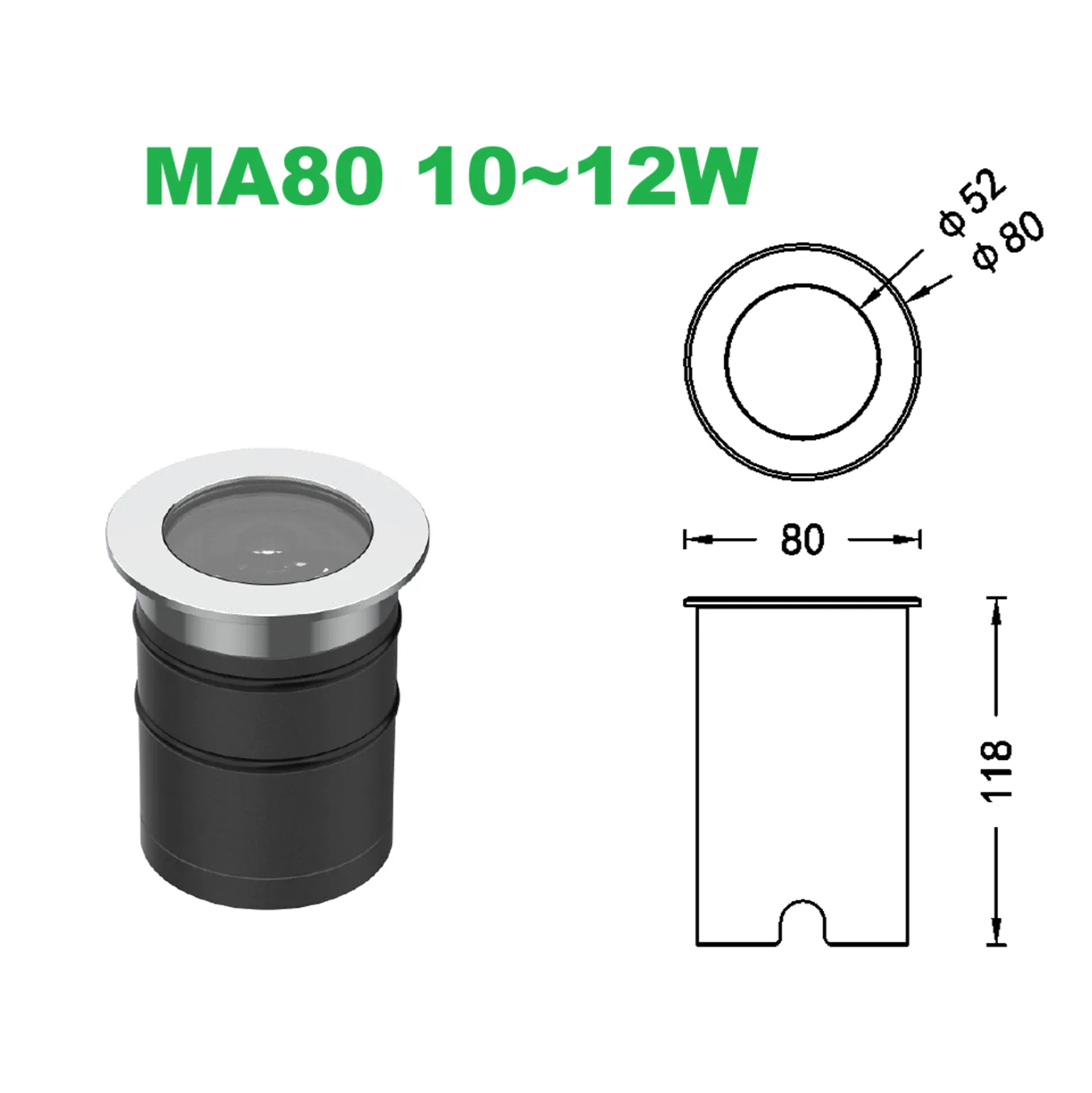
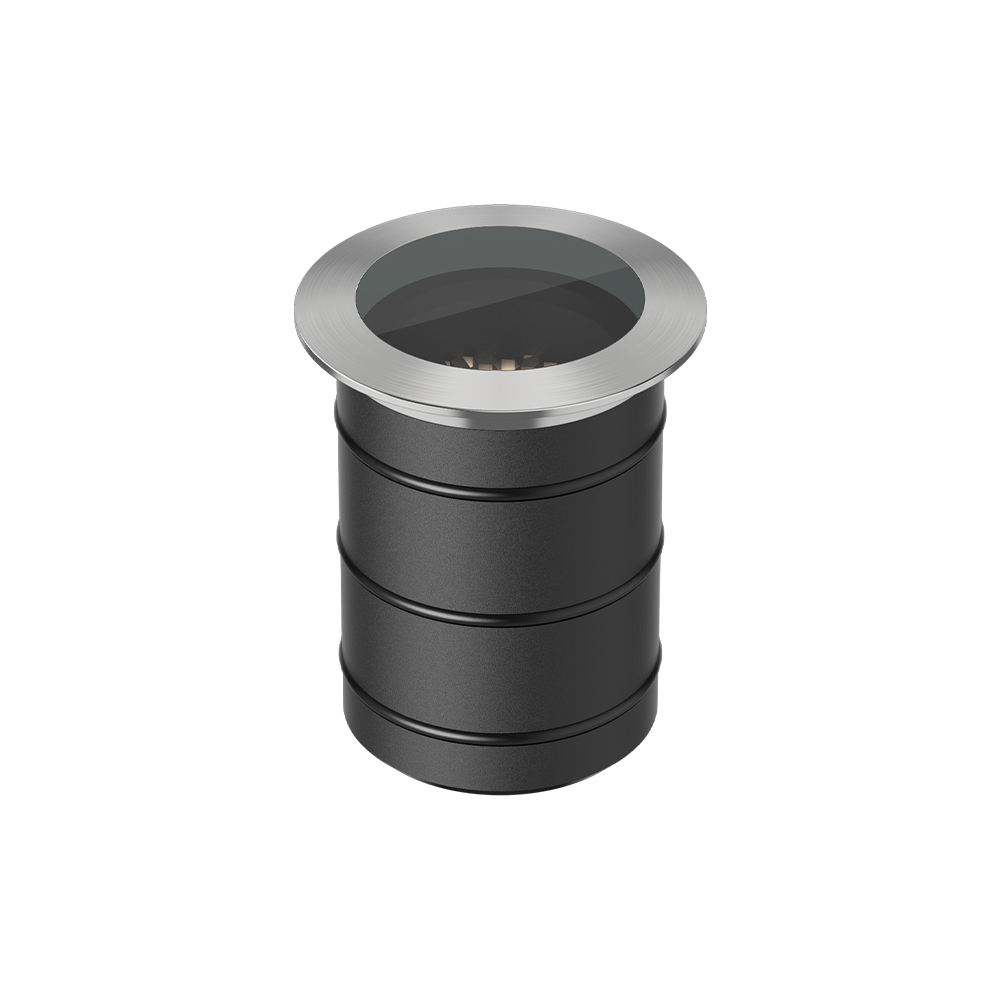
- MA80 12W in-ground LED uplight for compact facade, villa, pathway, and landscape layouts.
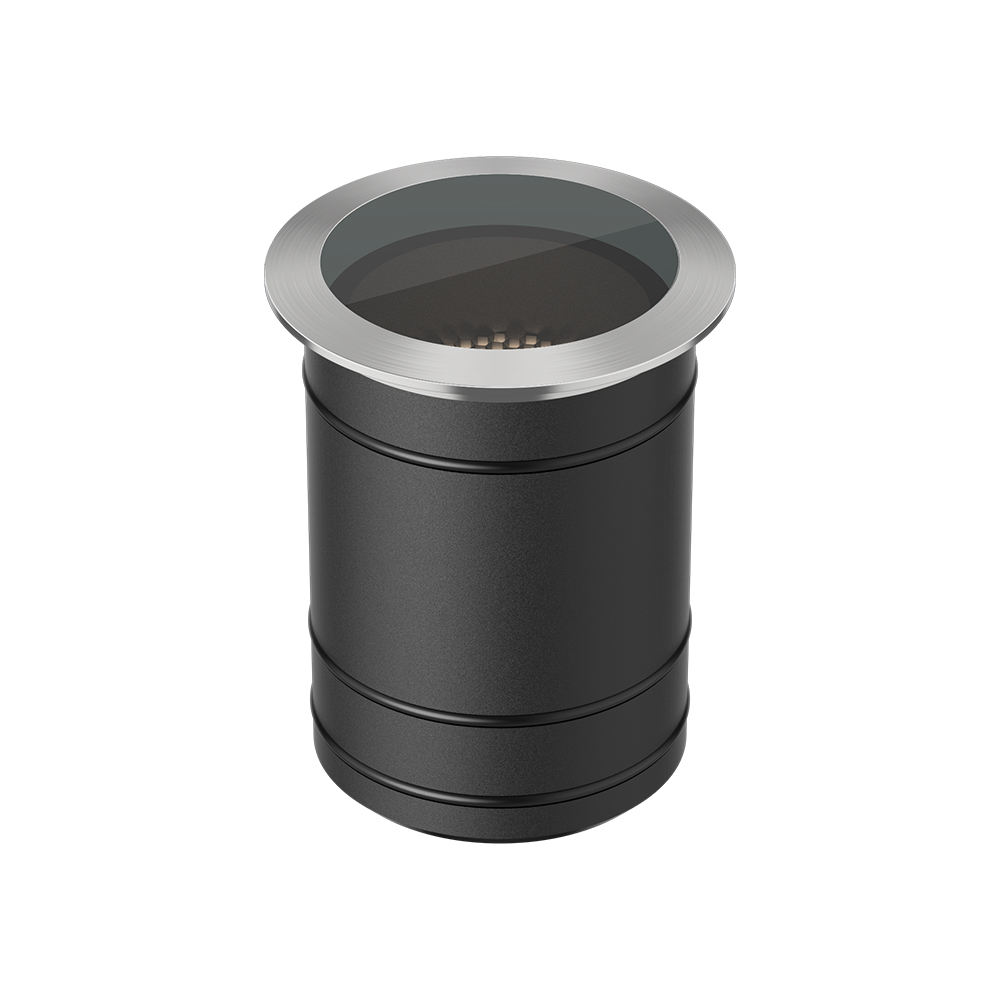
- MA100 18W in-ground LED uplight for stronger architectural and commercial landscape layouts.
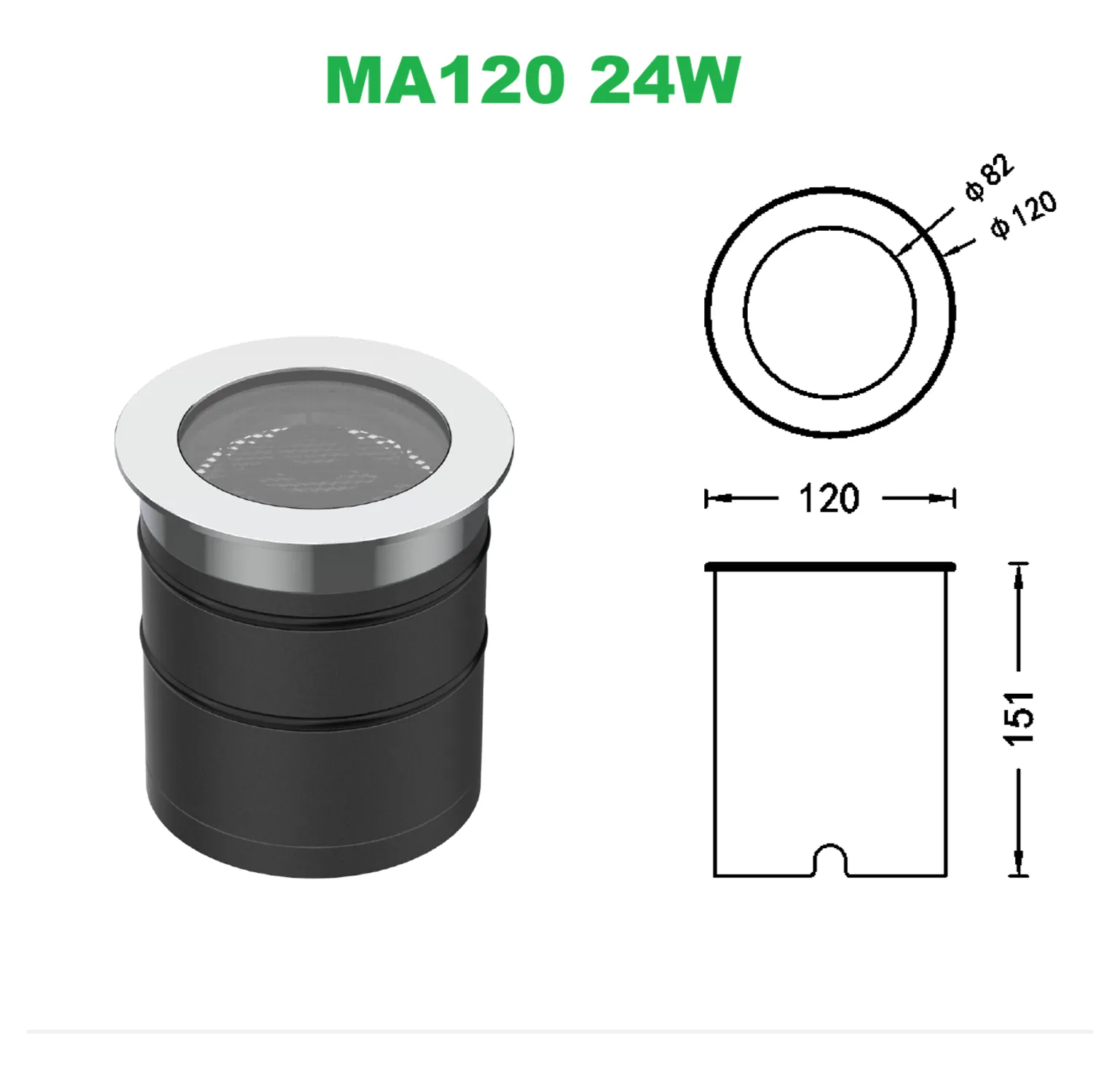
- MA120 24W in-ground LED uplight for larger plaza, facade, and outdoor landscape scenes.
- Recessed uplight comparison path when the project may need a stronger or different fixture family.
- LED in-ground lighting selection guide for layout inputs and model comparison.
- Outdoor wall wash lighting placement guide when the goal is facade coverage rather than point accent lighting.
- Linear wall washer options for long walls, grazing effects, and continuous facade light lines.
- Download center for catalog and project review files.
- Contact Radiant Honor with drawings, target surfaces, and installation photos for model matching.
LED In-Ground Light FAQ
What are LED in-ground lights used for?
They are used for recessed uplighting on facades, trees, columns, entrances, pathways, plaza edges, courtyards, and landscape features where the fixture should stay low-profile.
How do I choose an in-ground LED uplight?
Start with the lit object, mounting surface, distance from target, beam effect, glare control, drainage path, cut-out size, color requirement, control approach if used, and service access. Then match those inputs to the product page instead of choosing by wattage alone.
When is a wall washer better than an in-ground uplight?
Use a wall washer when the project needs a more continuous wash over a long facade. Use an in-ground uplight when the brief needs recessed point accents, tree uplighting, column highlights, or low-profile ground lighting.
When should a spike spotlight be compared?
Compare a spike spotlight when the fixture needs flexible aiming in soil, the planting layout may change, or the hardscape should not be cut for a recessed fixture.
What causes glare in outdoor ground lights?
Glare often comes from placing the fixture in a direct sightline, using the wrong beam, missing anti-glare trim, or aiming too steeply near entrances, walkways, windows, or seating areas.
How should drainage be checked before choosing a model?
Confirm the sleeve position, gravel or drainage layer, cable route, irrigation exposure, cleaning access, and whether the fixture can be serviced after paving or planting is complete.
What files help confirm the right in-ground light model?
Helpful files include plan drawings, elevation height, wall or object material, paving or soil detail, desired night-view effect, cable route, and photos of the installation area.
-
![Wall-Wash and In-Ground Facade Lighting | Selection Guide]() Wall-Wash and In-Ground Facade Lighting | Selection GuideSelection guide for comparing wall-wash and in-ground facade lighting layouts ac···read more
Wall-Wash and In-Ground Facade Lighting | Selection GuideSelection guide for comparing wall-wash and in-ground facade lighting layouts ac···read more -
![MA120 18-24W In-Ground LED Uplight | Cut-Out and Beam Guide]() MA120 18-24W In-Ground LED Uplight | Cut-Out and Beam GuideMA120 18-24W in-ground LED uplight guide for architectural landscape lighting, w···read more
MA120 18-24W In-Ground LED Uplight | Cut-Out and Beam GuideMA120 18-24W in-ground LED uplight guide for architectural landscape lighting, w···read more -
![MA100 15-18W In-Ground LED Uplight | Cut-Out and Beam Guide]() MA100 15-18W In-Ground LED Uplight | Cut-Out and Beam GuideMA100 15-18W in-ground LED uplight guide for architectural landscape lighting, w···read more
MA100 15-18W In-Ground LED Uplight | Cut-Out and Beam GuideMA100 15-18W in-ground LED uplight guide for architectural landscape lighting, w···read more -
![MA80 10-12W In-Ground LED Uplight | Beam Selection Guide]() MA80 10-12W In-Ground LED Uplight | Beam Selection GuideSelect the MA80 10-12W in-ground LED uplight for facade bases, pathways, plazas ···read more
MA80 10-12W In-Ground LED Uplight | Beam Selection GuideSelect the MA80 10-12W in-ground LED uplight for facade bases, pathways, plazas ···read more -
![MA64 8W In-Ground Light | Beam and Cut-Out Guide]() MA64 8W In-Ground Light | Beam and Cut-Out GuideReview the MA64 8W in-ground light with source-backed lens options, cut-out size···read more
MA64 8W In-Ground Light | Beam and Cut-Out GuideReview the MA64 8W in-ground light with source-backed lens options, cut-out size···read more -
![MA50 4-5W In-Ground LED Uplight | Cut-Out and Beam Guide]() MA50 4-5W In-Ground LED Uplight | Cut-Out and Beam GuideSelect the MA50 4-5W in-ground LED uplight with source-backed dimensions, cut-ou···read more
MA50 4-5W In-Ground LED Uplight | Cut-Out and Beam GuideSelect the MA50 4-5W in-ground LED uplight with source-backed dimensions, cut-ou···read more -
![MA42 3W In-Ground Light | Beam and Cut-Out Guide]() MA42 3W In-Ground Light | Beam and Cut-Out GuideReview the MA42 3W in-ground light with source-backed lens options, cut-out size···read more
MA42 3W In-Ground Light | Beam and Cut-Out GuideReview the MA42 3W in-ground light with source-backed lens options, cut-out size···read more -
![MA32 1W In-Ground Light | Cut-Out and Beam Guide]() MA32 1W In-Ground Light | Cut-Out and Beam GuideReview the MA32 1W in-ground light with source-backed lens options, cut-out size···read more
MA32 1W In-Ground Light | Cut-Out and Beam GuideReview the MA32 1W in-ground light with source-backed lens options, cut-out size···read more -
![80W In-Ground Flood/Spot Light | Recessed Planning Guide]() 80W In-Ground Flood/Spot Light | Recessed Planning Guide80W in-ground flood/spot light planning guide for plaza features, large tree pit···read more
80W In-Ground Flood/Spot Light | Recessed Planning Guide80W in-ground flood/spot light planning guide for plaza features, large tree pit···read more