
Outdoor Architectural Lighting Industry Guides
Use this industry hub as a practical starting point for facade, landscape, plaza, pathway, and public-space lighting decisions. The guides below focus on planning logic: where the fixture sits, how the beam is shaped, how glare is controlled, and what information should be checked before a product path is chosen.
Radiant Honor keeps this section separate from product quotation details. The goal is to help project teams compare lighting approaches without turning optional configurations into default promises.
| Guide path | Best starting point | Useful next read |
|---|---|---|
| Facade and wall wash planning | Choose this path when the main question is distance, spacing, wall texture, aiming, and visual rhythm. | Wall wash placement guide |
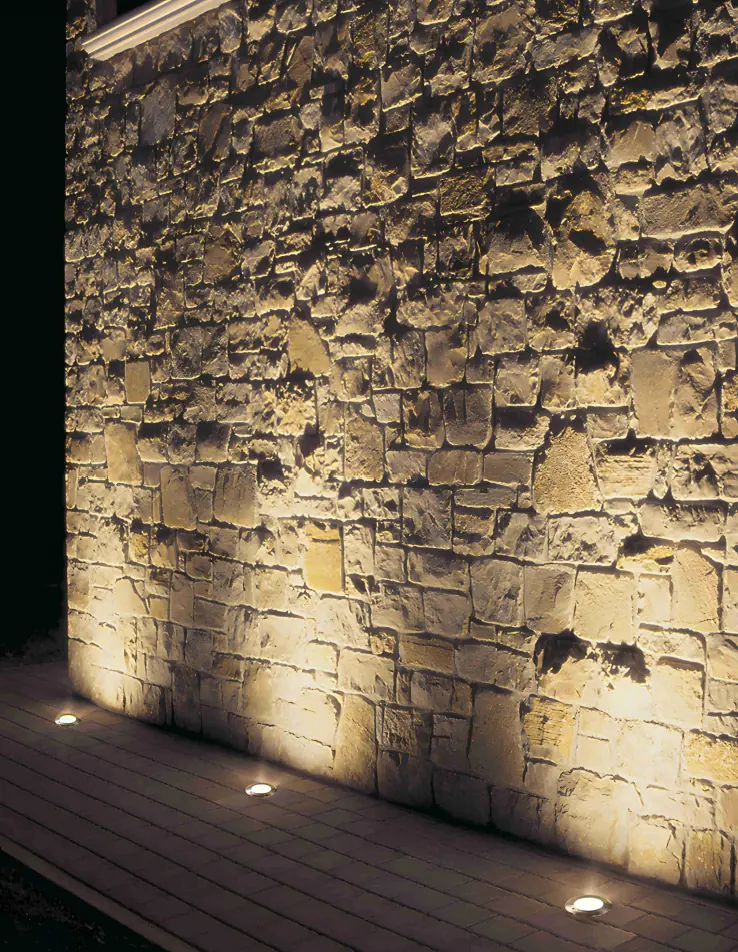
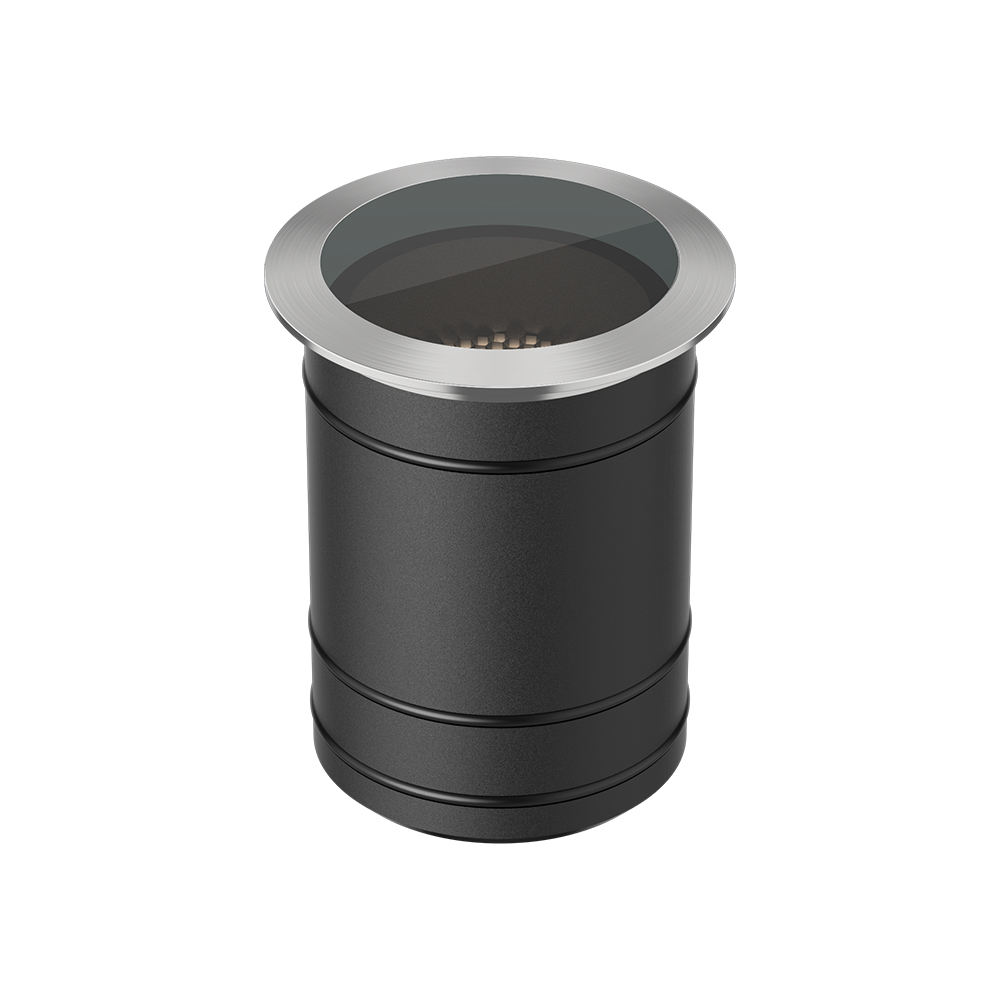
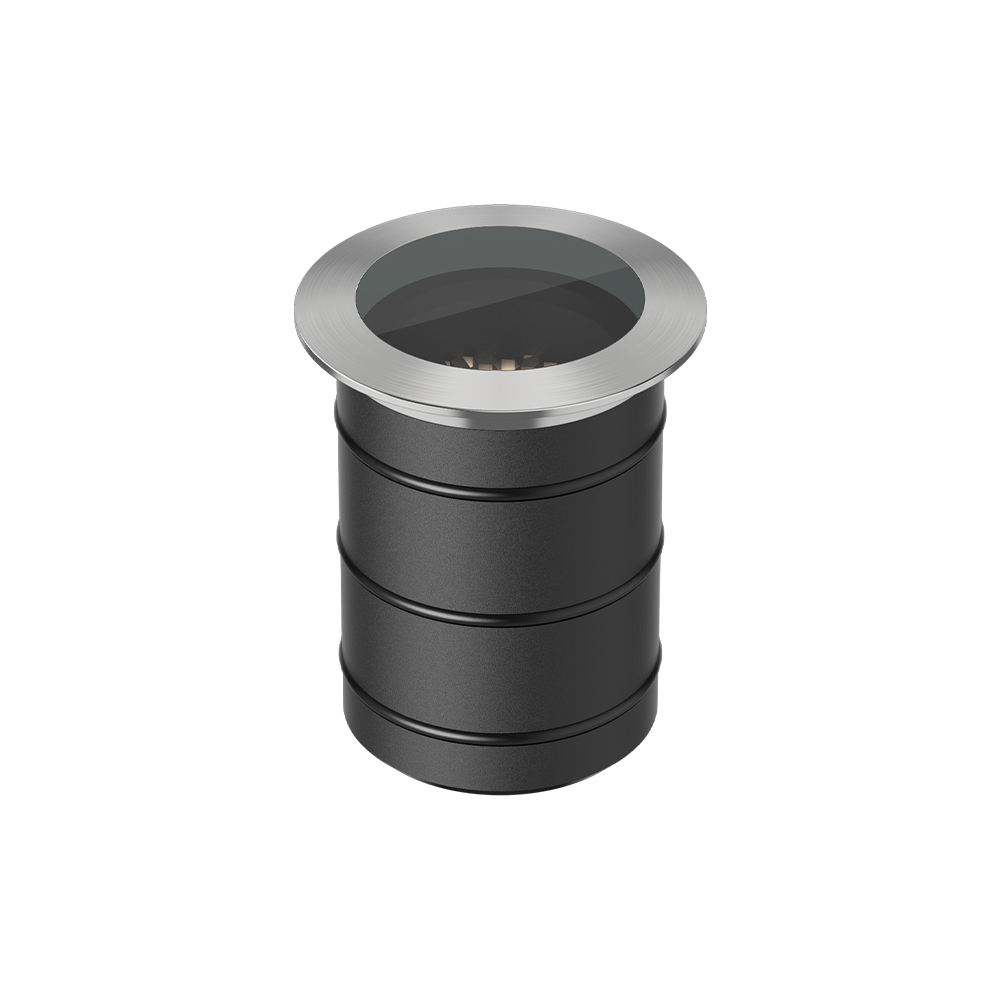
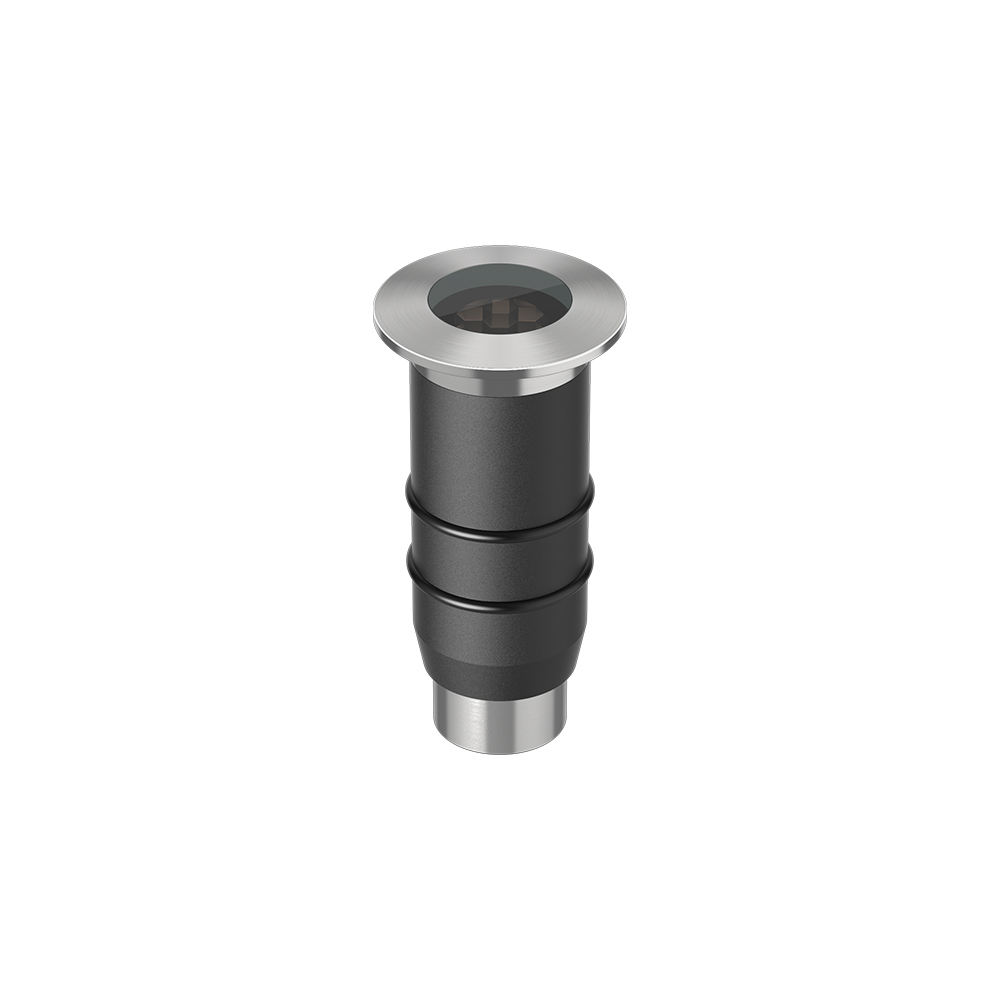
| In-ground and recessed uplighting | Choose this path when fixtures need to stay low, protect pedestrian movement, or graze vertical surfaces from below. | In-ground light selection guide |
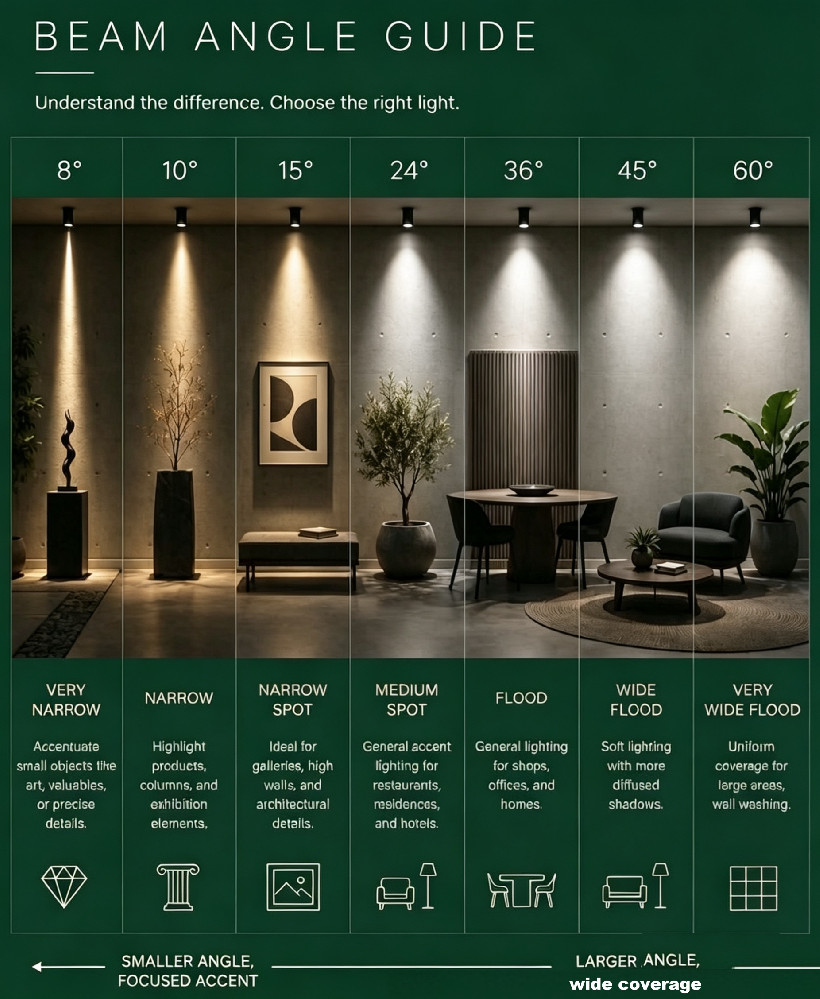
| Beam angle selection | Choose this path when the project needs a narrow accent, a medium feature beam, or wider ambient coverage. | Beam angle guide |
| Flood light accessories | Choose this path when glare control, mounting stability, rotation, or exposed hardware details may affect approval. | Accessory planning guide |
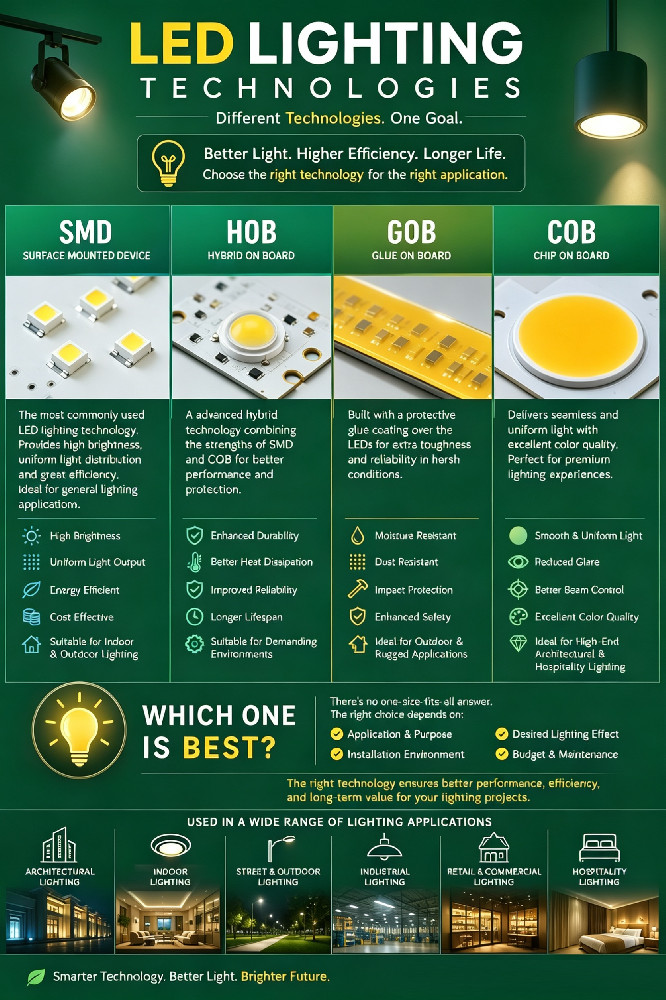
| LED package terminology | Choose this path when SMD, COB, GOB, or HOB wording needs a careful buyer-side comparison. | LED package comparison guide |
| Material and control planning | Choose this path when the review needs housing, surface treatment, cabling, and control-topic notes before detailed selection. | Material and control guide |
How to move from industry insight to product selection
Start with the design problem, not with a model name. A narrow facade feature, a tree accent, a long wall surface, and a plaza edge can all require different fixture families even when the outdoor environment looks similar.
| Project question | Selection path | Related product area |
|---|---|---|
| Does the light need to disappear into paving or planting? | Review recess depth, trim shape, drainage planning, and anti-glare direction first. | LED In-Ground Lights |
| Is the goal to wash a long facade surface evenly? | Check wall distance, beam spread, bracket position, and mock-up notes before final fixture choice. | Linear Wall Washer and Wall Lights |
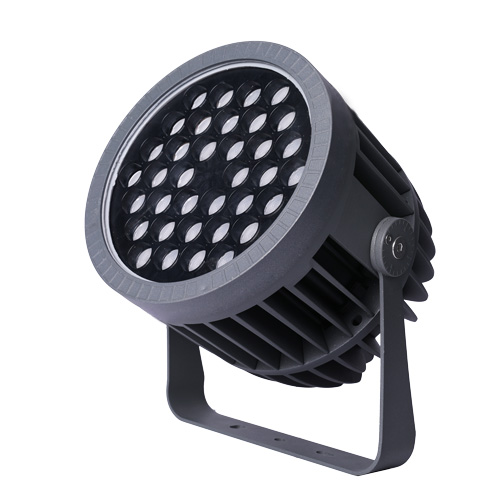
| Is a compact accent light needed for landscape or architectural details? | Compare beam focus, aiming range, shielding, and mounting position. | Compact Flood and Spot Lights |
| Is the project using larger area lighting from a pole or high mounting point? | Define target area, mounting height, aiming direction, and glare boundary before comparing series. | High-Power Flood Lights |
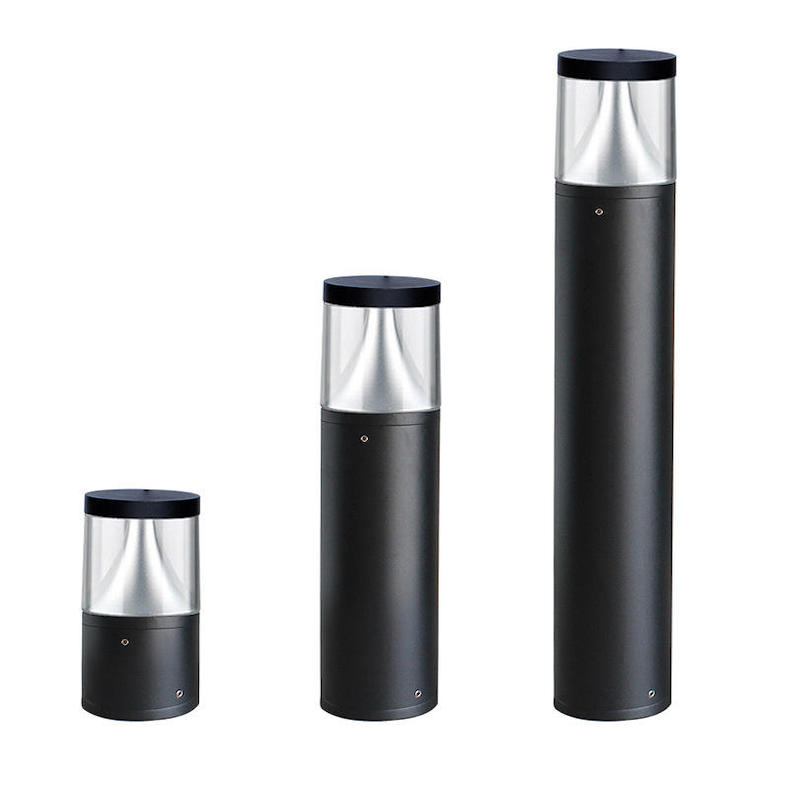
| Does the fixture need to serve a path, garden, or landscape zone from above ground? | Review pole height, beam reach, visual comfort, and service access as planning inputs. | Pole-Mounted LED Spotlights |
Fact-safe review checklist for industry articles
- Separate source-backed product details from general planning advice.
- Treat options, modules, and project configurations as items to confirm, not as default properties.
- Use tables to compare decisions such as beam width, mounting position, glare control, and fixture family.
- Keep famous-project attribution out of a page unless the supplied project record directly supports it.
- Use the download center and contact page when a drawing, model comparison, or project review needs confirmation.
Common reading routes
| If the team is asking... | Read this first | Then compare |
|---|---|---|
| How should a facade be lit from the ground or wall? | Facade wall wash placement | In-ground, wall washer, and compact spot paths |
| How wide should the beam be? | Beam angle planning | Accent, feature, and wider coverage needs |
| Which terms describe LED package structure? | SMD, COB, GOB, and HOB comparison | Supplier wording and project suitability |
| Which accessories help with glare or mounting? | Flood light accessory planning | Shielding, bracket, clamp, and adjustment details |
Industry Guide FAQ
Which guide should I read first for facade lighting?
Start with the wall wash placement guide when the main issue is distance, spacing, and aiming. Use the beam angle guide when the question is how tight or wide the light distribution should be.
How can I compare beam angle choices before a mock-up?
List the object size, viewing distance, mounting position, and shadow tolerance. Then compare narrow, medium, and wider beam paths before asking for a project-specific sample or drawing review.
When should I review in-ground lighting instead of wall-mounted lighting?
Review in-ground lighting when the fixture should stay visually low, when the light starts from paving or planting, or when the facade edge needs upward emphasis.
How do accessories affect glare and mounting decisions?
Accessories can change shielding, rotation, bracket position, and exposed hardware details. They should be considered early when visual comfort or installation geometry is sensitive.
Why does an industry hub matter before product selection?
A hub helps teams compare the decision logic before moving into model-level review. That reduces the chance of choosing a product path before the beam, mounting, and site constraints are clear.
How should buyers handle supplier-defined LED technology terms?
Ask the supplier to define the term in the context of the exact product family and project use. Some terms are common in packaging discussions, while others can vary by supplier or application.
How can buyers turn industry reading into a fixture-family shortlist?
| Project question | What to review first | Useful guide |
|---|---|---|
| Facade or wall surface | Start with placement, distance, surface texture, aiming direction, and beam width. | wall wash placement guide |
| Recessed ground position | Review trim position, pedestrian movement, drainage context, glare boundary, and upward emphasis. | in-ground lighting guide |
| Fixture-beam question | Compare target size, viewing distance, mounting point, shadow tolerance, and desired visual focus. | beam angle guide |
| Accessory question | Review shielding, bracket geometry, aiming adjustment, exposed hardware, and installation surface. | accessory planning guide |
| Package-term question | Treat package terminology as one comparison input and ask how it relates to the exact fixture family. | LED package comparison |
Which product-family path should follow each industry guide?
| Product-family path | Use it when | Category |
|---|---|---|
| Ground-integrated path | Use when light should start from paving, planting, or a recessed position. | LED In-Ground Lights |
| Soil-inserted path | Use when the project needs adjustable garden or landscape aiming from above ground. | LED Garden Spike Lights |
| Wall or line path | Use when the target is a facade line, wall texture, or long architectural surface. | LED Linear Wall Washer and Wall Lights |
| Compact accent path | Use when smaller architectural details need close-range focus and controlled aiming. | LED Compact Flood and Spot Lights |
| Large-area path | Use when the project needs broader or longer-distance outdoor projection planning. | LED High-Power Flood Lights |
| Raised mounting path | Use when pole position, height, and wide-area aiming need early review. | Pole-Mounted LED Spotlights |
What information makes industry guides more useful?
| Buyer input | What to record | Why it matters |
|---|---|---|
| Project scene | Facade, landscape, plaza, pathway, garden, hotel entrance, public space, bridge, or object-lighting context. | Keeps guide choice tied to an actual design question. |
| Target object | Wall surface, tree, sculpture, path edge, column, sign, water feature, or open area. | Clarifies whether beam, accessory, or fixture-family guidance matters most. |
| Mounting position | Ground, wall, pole, bracket, soil, paving, or recessed location. | Connects the guide hub to product-category navigation. |
| Distance and viewing side | Target distance, primary viewing direction, nearby surface, and shadow sensitivity. | Makes beam-angle and glare review more useful. |
| Record status | Photos, drawings, marked plans, and buyer comments available for review. | Keeps exact product confirmation separate from category-level guidance. |
How is this industry hub structured for clear extraction?
| Extraction element | What it says | Why it helps |
|---|---|---|
| Direct answer | The page states how to use the industry hub before product selection. | Improves quick answer extraction. |
| Guide-path table | Each common project question maps to one guide type. | Improves intent matching. |
| Category-path table | Guide choices connect to product-family paths without turning them into specs. | Keeps navigation clear. |
| Input-record table | Buyer information is separated from product claims. | Reduces overclaim risk. |
| Fact boundary | The page says what the hub does not prove. | Keeps summaries source-safe. |
What reading mistakes should buyers avoid?
| Mistake | Why it weakens selection | Better method |
|---|---|---|
| Opening a product family too early | The project may still need beam, mounting, glare, or surface review. | Start from the guide that matches the design question. |
| Treating an article card as a full source | Cards are short navigation summaries. | Open the detail article before using exact wording. |
| Mixing category guidance with product defaults | A category hub explains decision paths, not universal fixture conditions. | Keep exact conditions buyer-confirmed. |
| Skipping accessory review | Shielding and mounting details can change visual comfort and installation fit. | Review accessory planning when geometry is sensitive. |
| Using technology terms alone | Package terms do not decide a fixture by themselves. | Compare them with scene, optics, housing, mounting, and buyer records. |
Can the industry hub decide the final product family by itself?
No. Use this hub to choose the right guide path, then confirm the product family with drawings, photos, target distance, mounting position, beam preference, and selected product-page details.
Why should industry guide pages stay separate from product datasheets?
Guide pages explain selection logic across outdoor lighting situations. Product datasheets and project records should carry exact product conditions, optional configuration notes, and buyer-confirmed details.
-
![How to Choose Outdoor Lighting for Villas, Parks, Hotels and Facades]() 2026-04-02 How to Choose Outdoor Lighting for Villas, Parks, Hotels and Facades
2026-04-02 How to Choose Outdoor Lighting for Villas, Parks, Hotels and FacadesUse this Radiant Honor guide to compare outdoor lighting choices for villas, par···
read more > -
![Facade Lighting Guide: Don’t Let RGB Lights Dilute Your Building’s Nighttime Character]() 2026-07-04 Facade Lighting Guide: Don’t Let RGB Lights Dilute Your Building’s Nighttime Character
2026-07-04 Facade Lighting Guide: Don’t Let RGB Lights Dilute Your Building’s Nighttime CharacterThis facade lighting guide explains the proper use of RGB color-changing lights ···
read more > -
![Understanding Beam Angles: A Guide to Architectural Lighting]() 2026-06-01 Understanding Beam Angles: A Guide to Architectural Lighting
2026-06-01 Understanding Beam Angles: A Guide to Architectural LightingLearn how to choose the perfect beam angle to shape your space. Understand the d···
read more > -
![SMD vs COB vs GOB vs HOB LED | Packaging Comparison Guide]() 2026-05-31 SMD vs COB vs GOB vs HOB LED | Packaging Comparison Guide
2026-05-31 SMD vs COB vs GOB vs HOB LED | Packaging Comparison GuideCompare SMD, COB, GOB, and HOB LED terms with a fact-safe buyer guide. Learn why···
read more > -
![Outdoor Wall Wash Lighting Placement | Distance and Spacing Guide]() 2026-05-03 Outdoor Wall Wash Lighting Placement | Distance and Spacing Guide
2026-05-03 Outdoor Wall Wash Lighting Placement | Distance and Spacing GuidePlan outdoor wall wash lighting placement with setback, spacing, beam strategy, ···
read more > -
![Flood Light Accessories Guide for Glare and Mounting | Buyer Checklist]() 2026-05-03 Flood Light Accessories Guide for Glare and Mounting | Buyer Checklist
2026-05-03 Flood Light Accessories Guide for Glare and Mounting | Buyer ChecklistUse this flood light accessories guide to review glare-control, mounting, aiming···
read more > -
![LED In-Ground Lights for Facades and Plazas | Selection Guide]() 2026-05-02 LED In-Ground Lights for Facades and Plazas | Selection Guide
2026-05-02 LED In-Ground Lights for Facades and Plazas | Selection GuideCompare LED in-ground lighting choices for facades, plazas, hotel entrances, wal···
read more > -
![Beam Angle Guide for Facade and Landscape Lighting | Buyer Checklist]() 2026-04-02 Beam Angle Guide for Facade and Landscape Lighting | Buyer Checklist
2026-04-02 Beam Angle Guide for Facade and Landscape Lighting | Buyer ChecklistLearn how outdoor lighting buyers can compare beam angle, target distance, mount···
read more > -
![Outdoor Lighting IP Planning Guide | Material and Control Checklist]() 2026-04-02 Outdoor Lighting IP Planning Guide | Material and Control Checklist
2026-04-02 Outdoor Lighting IP Planning Guide | Material and Control ChecklistUse this outdoor lighting IP planning guide to compare protection rating, housin···
read more >