Products
Landscape LED spotlights and high-output flood-light planning belong on the same early selection path when a project team needs outdoor projection for facades, trees, signs, sculptures, plazas, bridges, large exterior walls or long-throw landscape scenes. Use this category to compare a medium-power spotlight reference, high-output range planning and nearby projection-light alternatives before confirming the final project configuration.
Source boundary: Radiant Honor customer materials support a 120W-1200W high-power flood-light range. They do not confirm one fixed 1200W SKU datasheet. Treat high-output wording as a planning range and confirm exact model, power option, optics, mounting method, control preference and site exposure target in the quotation discussion.
How to choose between landscape spotlights and high-output flood lights
| Project condition | Better starting point | What to confirm |
|---|---|---|
| Close or medium-distance accent lighting for trees, signs, sculptures, garden features or facade details | 36W spotlight with base reference | Target size, throw distance, mounting surface, beam preference, finish, cable route and glare view angle. |
| Large outdoor projection, long throw, high mounting position, large facade zone or public-space lighting | high-output flood light planning guide | Target area, mounting height, aiming distance, beam strategy, power interface, project files and sample review notes. |
| Medium-output architectural projection before very high output is justified | outdoor projection light range | Required brightness, installation distance, available bracket location and whether multiple moderate fixtures give smoother coverage. |
| Compact alternatives for smaller accents | compact flood and spot lights | Fixture size, close-range effect, shielding, beam angle and visible housing style. |
Outdoor projection planning checklist
- Scene and target: facade, sign, tree, sculpture, plaza, bridge, public-space wall, high mast or large landscape area.
- Geometry: target width and height, mounting height, aiming distance, setback, pole or bracket location and viewer sightline.
- Light result: accent, long throw, wall wash, area coverage, narrow projection, glare control, uniformity target or spill-light limit.
- Optical discussion: beam preference, expected coverage, surface material, reflectance, shadow risk and whether multiple fixtures may be better than one high-output fixture.
- Quotation inputs: preferred product family, quantity estimate, power option, colour requirement, control preference if required, mounting accessory and site exposure target.
Beam, distance and mounting decision table
| Planning question | Why it matters | Safer decision path |
|---|---|---|
| Is the target narrow, wide, tall or irregular? | Beam width changes whether the light looks focused, washed, uneven or too intense. | Match beam preference to target size and mounting distance before choosing output class. |
| How far is the fixture from the target? | Distance changes coverage and brightness at the surface. | Provide aiming distance and mounting height so the beam discussion is not based on wattage alone. |
| Will pedestrians, windows, roads or cameras see the source? | Glare and spill light can make a bright installation perform poorly. | Check viewer sightlines, shielding needs and aiming angle before selecting the final configuration. |
| Would several moderate fixtures create smoother coverage? | A single high-output source can create hot spots or dark edges. | Compare one high-output path with multi-fixture spacing when uniformity matters. |
Common selection mistakes
| Mistake | Why it matters | Safer approach |
|---|---|---|
| Choosing by wattage alone | Power class does not decide coverage by itself; beam angle, mounting height and target distance shape the final result. | Start with area, throw distance, beam preference and brightness target before choosing the power class. |
| Using one very high-output fixture for every large scene | A single intense source can create hot spots, glare or uneven edges. | Compare high-output planning with multiple moderate-output fixtures when uniformity is important. |
| Ignoring viewer position and spill light | Outdoor projection can affect pedestrians, roads, nearby windows or camera views. | Confirm aiming direction, shielding need, mounting height and sightlines before quotation. |
| Treating a range page as a final specification | A range page cannot replace model-level confirmation. | Confirm final model, optics, finish, power interface and project documents for the selected configuration. |
Which related category should be checked next?
| If the project need is... | Review this page | Reason |
|---|---|---|
| Close-range compact accent lighting | compact flood and spot lights | Useful when fixture size, low visual profile and short-distance accents matter. |
| Outdoor projection with more model variations | outdoor projection lights | Useful before jumping to a very high-output range. |
| Ground-up accent or recessed uplighting | LED in-ground lights | Useful when the fixture must be recessed into pavement, soil edge or hardscape. |
| Facade washing, wall-mounted lighting or linear effects | outdoor LED wall lights and wall wash planning | Useful when the project is about wall surface coverage rather than long throw. |
For broader planning, compare the beam-angle planning guide, wall-wash placement guide, catalog and selection guide downloads, and project enquiry path.
When should a project review the high-output flood light range?
Review the high-output range when the target area is large, the mounting point is far from the surface, or the project needs long-throw outdoor projection. Treat it as a planning class until the final model and project files are confirmed.
When is a 36W spotlight reference enough?
A 36W spotlight reference is a better starting point for close or medium-distance accents such as trees, signs, sculptures, garden features and smaller facade details.
What information should be sent for flood-light planning?
Send drawings or photos, target dimensions, mounting height, aiming distance, preferred light effect, colour requirement, quantity estimate, power layout and environmental exposure notes.
Is a higher power option always better?
No. Higher output can help with long throw or large targets, but uniformity, glare, beam angle, fixture spacing and viewer position may make several moderate-output fixtures a better plan.
How do beam angle and distance affect outdoor projection?
Beam angle and distance work together. A narrow beam can support focused long-throw accents, while a wider beam may support broader coverage at shorter distances. The target size and mounting distance should be checked together.
How can glare and spill light be reduced in the planning stage?
Start with aiming direction, shielding need, viewer sightline, nearby windows, roads and camera views. Then compare beam width, mounting height and fixture position before final model confirmation.
Should one high-output fixture or several moderate fixtures be used?
Use one high-output path when long throw or a large target makes it necessary. Compare several moderate fixtures when smoother coverage, lower glare or better edge control is more important.
What does the category page not prove by itself?
This page does not prove a final SKU, approval file, control method, protection grade or installed project result. It is a selection guide for preparing model-level confirmation.
-
![1200W LED Flood Light Planning Guide | Radiant Honor]() 1200W LED Flood Light Planning Guide | Radiant HonorPlan a 1200W LED flood light inquiry inside the source-confirmed 120W-1200W high···read more
1200W LED Flood Light Planning Guide | Radiant HonorPlan a 1200W LED flood light inquiry inside the source-confirmed 120W-1200W high···read more -
![120W Outdoor Architectural Spotlight | Project Configuration]() 120W Outdoor Architectural Spotlight | Project Configuration120W outdoor architectural spotlight reference for facade, landscape and site pr···read more
120W Outdoor Architectural Spotlight | Project Configuration120W outdoor architectural spotlight reference for facade, landscape and site pr···read more -
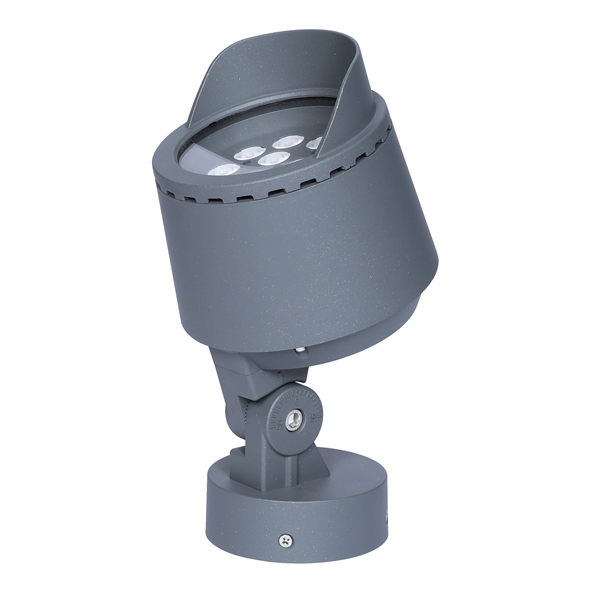
![36W LED Spotlight with Base | Beam and Mounting Guide]() 36W LED Spotlight with Base | Beam and Mounting GuideSelect a 36W LED spotlight with base for facade accents, trees, signage edges an···read more
36W LED Spotlight with Base | Beam and Mounting GuideSelect a 36W LED spotlight with base for facade accents, trees, signage edges an···read more -
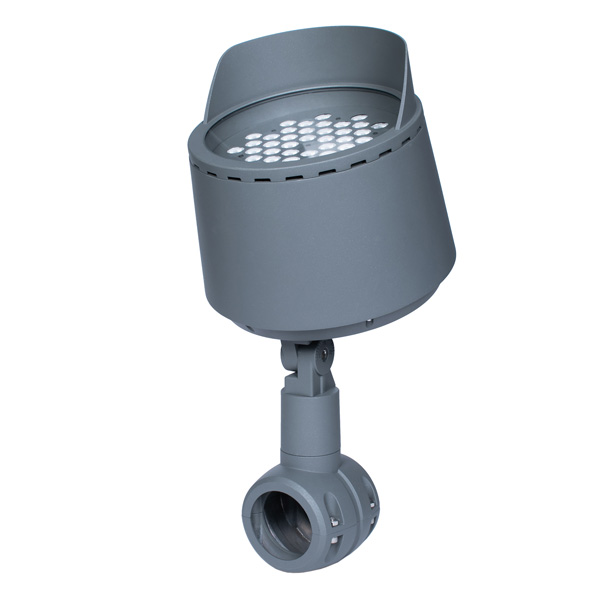
![120W Pole-Mounted LED Spotlight | Outdoor Projection Reference]() 120W Pole-Mounted LED Spotlight | Outdoor Projection Reference120W pole-mounted LED spotlight reference for outdoor projection, with final bea···read more
120W Pole-Mounted LED Spotlight | Outdoor Projection Reference120W pole-mounted LED spotlight reference for outdoor projection, with final bea···read more