

Choosing outdoor lighting for villas, parks, hotels and building facades starts with the scene. A reliable fixture plan does not begin with a single wattage number. It begins with the visual effect, mounting position, beam direction, surrounding surface, maintenance access and the level of project customization the buyer needs.
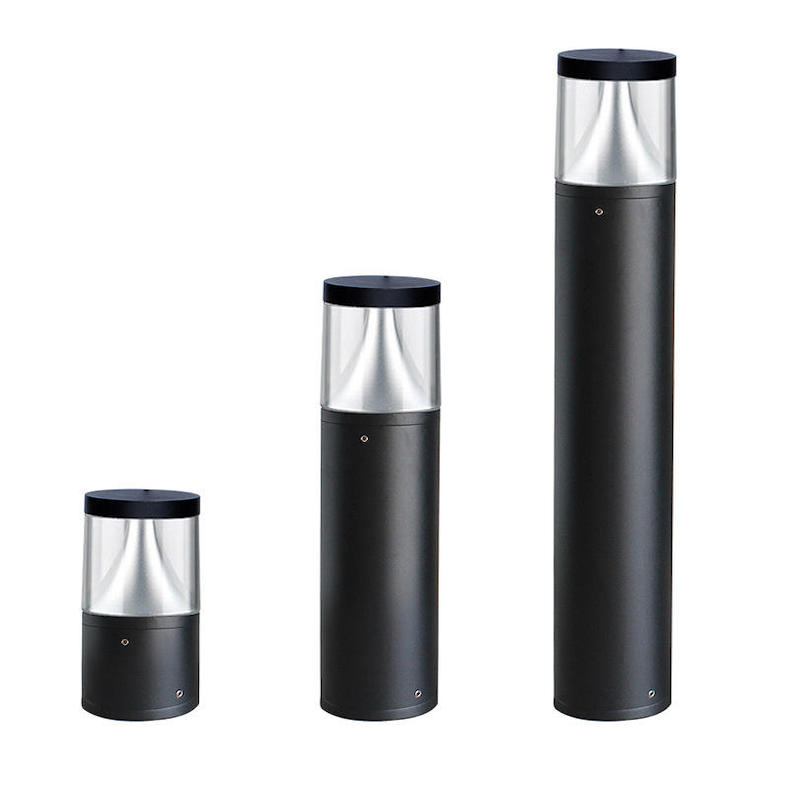
Radiant Honor works with outdoor LED lighting families for architectural and landscape projects, including compact spot and flood fixtures, garden spike lights, in-ground lights, wall-mounted lights, wall-wash style linear lighting, pole-mounted projection fixtures and bollard/path lights. This guide turns those families into a practical selection framework for designers, contractors, distributors and project buyers.
Related category paths: compare compact spot and flood fixtures, garden spike lights, in-ground lights, wall-mounted lighting, pole-mounted projection fixtures, bollard and path lights, catalog resources, and project discussion.
Outdoor Lighting Selection Matrix
Which scene is the project trying to solve?
The first selection decision is scene type. Villas, parks, hotels and facades may use similar fixture families, but the design goal and buyer inputs are different.
| Scene | Main design target | Common fixture families | Inputs to confirm before selection |
|---|---|---|---|
| Villa garden and courtyard | Soft ambience, path guidance and feature accent | Compact spot fixtures, garden spike lights, in-ground lights, wall lights and bollard/path lights | Garden layout, tree or sculpture positions, walkway width, wall surface and preferred color temperature |
| Public park and plaza | Visibility, route guidance and landscape feature emphasis | Garden spike lights, bollards, pole-mounted projection fixtures, in-ground lights and compact spot fixtures | Pedestrian flow, planting zones, mounting height, beam range, site drawings and control preference |
| Hotel exterior and resort landscape | Guest comfort, brand atmosphere and entrance recognition | Wall lights, in-ground lights, compact accent fixtures, linear wall-wash lighting and bollards | Facade material, entrance path, garden zones, room-window glare limits and finish requirements |
| Building facade and architectural outline | Form definition, vertical rhythm and long-view recognition | Wall-wash style linear lighting, spot fixtures, pole-mounted projection fixtures and in-ground uplights | Viewing distance, wall height, beam angle, mounting access, driver position and approval-paper needs |
| Bridge, signage and urban node | Directional focus and stable night identity | Pole-mounted projection fixtures, compact spot fixtures and linear lighting | Structure material, mounting bracket plan, cable route, glare control and project drawings |
Which fixture family fits each outdoor area?
Fixture family choice should follow installation position. A product that works near a path may not be the right answer for a tall facade or a broad tree canopy.
| Fixture family | Best-fit areas | Why buyers choose it | What to confirm |
|---|---|---|---|
| Compact spot and flood fixtures | Trees, signage, sculptures, columns and medium-distance accent points | Directional beam control in a small body | Beam angle, mounting base, glare shield, finish and color temperature |
| Garden spike lights | Lawns, flower beds, trees, small walls and villa gardens | Flexible soil installation and easy repositioning during layout tests | Spike length, cable path, beam direction and planting plan |
| In-ground lights | Walkways, entrances, tree pits, plazas and facade uplighting | Low-profile recessed lighting with clean daytime appearance | Drainage condition, sleeve size, installation depth and glass load needs |
| Wall-mounted lights | Balconies, corridors, exterior walls and entrance walls | Defined wall effect with simple installation access | Wall surface, up/down beam direction, mounting height and glare comfort |
| Wall-wash style linear lighting | Facade bands, feature walls and architectural outlines | Even vertical emphasis across a repeated surface | Wall distance, beam spread, joining method and cable route |
| Pole-mounted projection fixtures | Parks, plazas, trees, canopies, facades and broad public areas | Longer throw from a higher or remote mounting point | Pole height, aiming angle, beam range, bracket detail and site power plan |
| Bollard and path lights | Walkways, villa paths, garden edges and hospitality landscapes | Comfortable path guidance with visible fixture rhythm | Height, spacing, surface finish and anti-glare preference |
How should villa lighting be planned?
Villa lighting usually needs a quiet visual hierarchy. The best result comes from layering path guidance, plant accent, wall texture and entrance recognition without over-lighting the garden.
| Villa zone | Useful fixture choice | Selection logic | Buyer notes |
|---|---|---|---|
| Entrance path | Bollard/path lights or low wall lights | Guide movement and show changes in level | Confirm path width, surface material and preferred fixture height |
| Courtyard planting | Garden spike lights and compact spot fixtures | Highlight trees, shrubs and sculpture details | Confirm planting position before final beam selection |
| Facade and boundary wall | Wall lights, in-ground lights or wall-wash style lighting | Create depth and structure without glare into windows | Confirm wall color, window position and mounting access |
| Water or stone feature | Compact spot fixtures or recessed accent lights | Use controlled beams to show texture and reflection | Confirm cable route and service access early |
How should parks and public spaces be planned?
Park lighting needs stronger coordination between landscape layout, pedestrian route and maintenance access. The selection process should separate route lighting from feature lighting.
| Public-space need | Fixture approach | Reason | Planning input |
|---|---|---|---|
| Main walking route | Bollard/path lights, pole-mounted fixtures or wall lights near structures | Support orientation and safer movement | Path width, pedestrian density and mounting spacing |
| Tree and sculpture accent | Garden spike lights, compact spots or in-ground uplights | Separate feature lighting from general route lighting | Tree height, object distance and beam direction |
| Plaza node | Pole-mounted projection fixtures and compact accent fixtures | Handle broader open areas and focal points | Mounting height, aiming range and surrounding glare limits |
| Landscape edge | Low accent fixtures or bollards | Define boundary and rhythm without heavy brightness | Planting plan, edging material and expected viewing angle |
How should hotels balance atmosphere and guest comfort?
Hotel and resort projects usually need a polished atmosphere. Lighting should support arrival, facade recognition, garden comfort and room-window comfort at the same time.
| Hotel area | Design priority | Suitable family | What to check |
|---|---|---|---|
| Entrance and drop-off | Clear arrival identity | Wall lights, in-ground uplights and compact spot fixtures | Facade surface, canopy form, vehicle route and guest sightline |
| Garden and courtyard | Warm ambience and visual depth | Garden spike lights, bollards and compact accent fixtures | Planting layout, seating zones and glare direction |
| Feature wall or corridor | Texture and rhythm | Wall-wash style linear lighting and wall-mounted lights | Wall distance, repeated fixture spacing and service access |
| Poolside or leisure edge | Comfortable accent and orientation | Low wall lights, bollards and selected compact fixtures | Wet-zone installation detail, cable route and surface finish |
How should facade and architectural lighting be selected?
Facade lighting is not just brighter outdoor lighting. It needs a clear view-distance plan, mounting strategy and beam logic so the building reads correctly from street level and from farther viewing points.
| Facade condition | Recommended planning direction | Useful fixture family | Critical input |
|---|---|---|---|
| Tall flat wall | Build vertical rhythm and even surface emphasis | Wall-wash style linear lighting or pole-mounted projection fixtures | Wall height, setback distance, beam spread and mounting line |
| Column, arch or entrance frame | Use narrower emphasis to define structure | Compact spot fixtures or in-ground uplights | Column width, aiming angle and pedestrian glare limit |
| Stone, brick or textured surface | Use grazing light to show material depth | Linear lighting, wall lights or recessed uplights | Surface texture, mounting distance and service access |
| Signage or logo wall | Separate brand focus from general facade wash | Compact spot fixtures or short-run linear lighting | Logo position, viewing distance and beam cutoff |
What should buyers confirm before quotation?
A clean quotation starts with technical and site inputs. The buyer does not need to finalize every detail before the first discussion, but the following checklist helps avoid mismatched fixtures.
| Input | Why it matters | Recommended format |
|---|---|---|
| Scene and area type | Connects fixture family to real project use | Villa garden, park path, hotel entrance, facade wall, bridge or plaza |
| Installation position | Changes body type, bracket and cable route | Ground, wall, pole, soil, recessed sleeve or linear mounting line |
| Visual effect | Guides beam angle and output level | Accent, wall texture, path guidance, tree uplight, signage or broad projection |
| Project drawings or photos | Reduce guesswork before model selection | Plan drawing, elevation, site photo or marked-up image |
| Color plan and control method | Defines driver and wiring discussion | Static white tone, scene-change plan or project controller requirement |
| Protection target and document needs | Clarifies outdoor environment and buyer paperwork expectations | Environment notes, installation exposure and requested document list |
| Finish and appearance | Helps match building material and brand atmosphere | Body color, surface texture and visible-fixture preference |
Which Radiant Honor category should be checked next?
After the scene is defined, buyers can move from this guide to a focused category. The goal is to compare fixture families first, then narrow down models with project drawings and buyer inputs.
| Buyer need | Start here | Typical use |
|---|---|---|
| Small accent, tree, sculpture or signage lighting | Compact spot and flood fixtures | Villa gardens, hotel entrances, park features and facade details |
| Soil-mounted garden accent | Garden spike lights | Lawns, flower beds, trees and temporary layout testing |
| Recessed ground or entrance effect | In-ground lights | Walkways, tree pits, plazas and facade uplighting |
| Exterior wall or corridor effect | Wall-mounted lighting | Balconies, corridors, entrances and textured walls |
| Higher-position or wider-area projection | Pole-mounted projection fixtures | Public parks, plazas, canopies and long-view facades |
| Path rhythm and low-level guidance | Bollard and path lights | Villa paths, hotel gardens and landscape edges |
How can this guide support a cleaner supplier conversation?
For sourcing teams, the most useful supplier conversation is not a request for the cheapest single fixture. It is a project brief that explains the scene, effect, installation and document expectations. Radiant Honor can then help compare fixture families, adjust appearance details and prepare a project-oriented product path.
| Conversation stage | Useful buyer action | Expected result |
|---|---|---|
| Initial inquiry | Share scene, project country or region, area type and photos | Faster fixture-family recommendation |
| Model narrowing | Confirm mounting method, beam direction, color plan and body finish | Cleaner short list for sampling or internal review |
| Project coordination | Share drawings, quantity range and document expectations | Better quotation structure and fewer mismatched assumptions |
| Final confirmation | Review model path, accessories, finish, control method and packing needs | A clearer order package for production discussion |
Use this page as a selection map rather than a one-size-fits-all specification sheet. For exact model matching, send the project scene, mounting position, drawings or photos, color plan, control method and document expectations to the Radiant Honor team.
