
Products Description
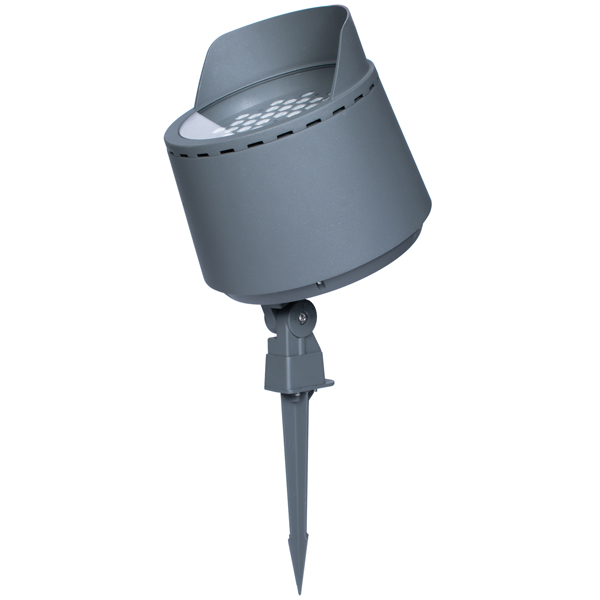
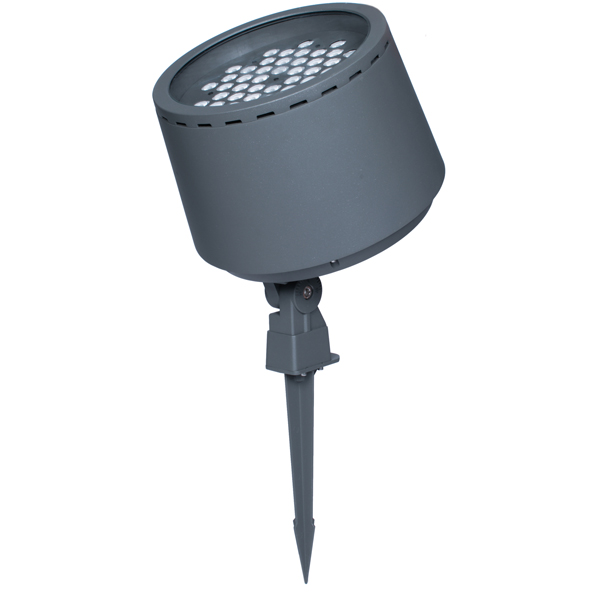
120W Landscape Spotlight Planning Reference
Quick answer: this page is best used as a 120W outdoor spotlight planning reference for landscape projection, facade accent, tree uplighting and feature-area illumination. Confirm the actual beam direction, mounting method, color output, control method, power-supply position and requested project files before quotation.
The available customer source package supports the wider compact flood / spot, garden spike and high-power flood-light product families, with 120W sitting at the lower edge of the high-power range. It does not verify a fixed LED brand, fixed ingress grade, default control protocol, exact lumen value, fixed packaging quantity, market-approval status, commercial terms, timing details or after-sales terms for this exact URL.
What should buyers confirm before selecting a 120W landscape spotlight?
| Planning item | What to confirm | Why it matters |
|---|---|---|
| Application zone | Facade, tree, sculpture, sign, garden feature or open landscape area | The target size and viewing distance decide beam spread and mounting position. |
| Mounting condition | Ground spike, base, bracket, pole or custom support requirement | The fixture position affects aiming, cable routing and later maintenance access. |
| Beam direction | Narrow, medium or wider projection requirement | Beam planning prevents dark bands, glare and wasted light outside the target area. |
| Color output | Single-color white or project-specific color output | Color choice should follow the visual intent and control system used on site. |
| Control method | On/off, dimming or project control interface | Control must be confirmed before wiring and quotation are finalized. |
| Project files | Datasheet, drawing, photometric file or installation reference requested by the buyer | Files should be confirmed per project instead of promised as a default package. |
Where does a 120W outdoor spotlight fit in a lighting plan?
A 120W class outdoor spotlight is usually considered when a compact accent light is not enough for the target surface. It can support stronger projection on taller trees, larger facade areas, monument accents and commercial landscape zones when the beam direction and mounting position are planned carefully.
| Use case | Selection focus | Buyer note |
|---|---|---|
| Tree uplighting | Trunk height, canopy width and viewer position | Avoid sending light directly into pedestrian or driver sightlines. |
| Facade accent | Wall height, setback distance and surface color | Confirm whether the design needs narrow emphasis or wider wall coverage. |
| Sculpture or signage | Object size, reflectance and viewing angle | Use aiming tests or drawings when the object has complex geometry. |
| Garden feature zone | Target distance, cable route and nearby planting | Check whether the fixture should be hidden, shielded or raised. |
| Commercial exterior | Multiple fixture positions and consistent visual rhythm | Plan the family, accessories and control approach together. |
How should beam angle and mounting be checked?
Beam angle should be selected from the target size and distance, not from wattage alone. The same 120W class page can serve different projects depending on whether the buyer needs long throw, wall grazing, broad accent or closer landscape emphasis.
| Decision | Safer planning approach | Avoid |
|---|---|---|
| Beam selection | Ask for target width, throw distance and desired highlight shape | Choosing only by wattage. |
| Mounting height | Confirm whether the fixture sits at ground level, on a bracket or on a pole | Assuming one bracket works for every site. |
| Glare control | Check viewer direction and whether shielding accessories are needed | Pointing the beam through main walking or driving sightlines. |
| Power location | Confirm driver, junction and cable-entry positions before quotation | Leaving the connection method for the installer to guess. |
Which project details should be sent for quotation?
- Target application, mounting photo or drawing, approximate throw distance and quantity.
- Preferred beam direction, color output and control method.
- Fixture position, cable entry direction, driver or power-supply location and accessory needs.
- Requested project files such as product drawing, photometric file or installation reference.
- Any local market requirement that must be checked before final model confirmation.
How can procurement avoid unsupported specification assumptions?
| Risky assumption | Safer wording for project confirmation |
|---|---|
| A fixed protection grade applies to every order | Confirm the outdoor rating and test requirement for the selected configuration. |
| A named LED brand is the default | Confirm LED package preference or approved alternatives before quotation. |
| A color-control protocol is included by default | Confirm the required control interface and wiring method for the project. |
| Color-changing output is always required | Confirm whether the project needs static white, single color or color-control output. |
| Files, test reports or market approvals are automatic | Ask which files are required for the target market and quotation stage. |
| Packaging quantity and logistics terms are fixed | Confirm packing and logistics details after model and quantity are known. |
What internal pages help with selection?
- LED garden spike and outdoor spotlight category
- High-power outdoor flood light category
- Beam angle guide for facade and landscape lighting
- Compact flood and spot light family overview
- Download center for project files
- Contact page for quotation confirmation
What should be checked before final model confirmation?
Before a buyer treats this page as a final model selection, the project team should confirm the actual fixture configuration, mounting method, accessory list, color output, control method and required files. That keeps the page useful for search and procurement while avoiding unsupported fixed promises.
