
Products Description
36W LED Spotlight with Base: quick selection answer
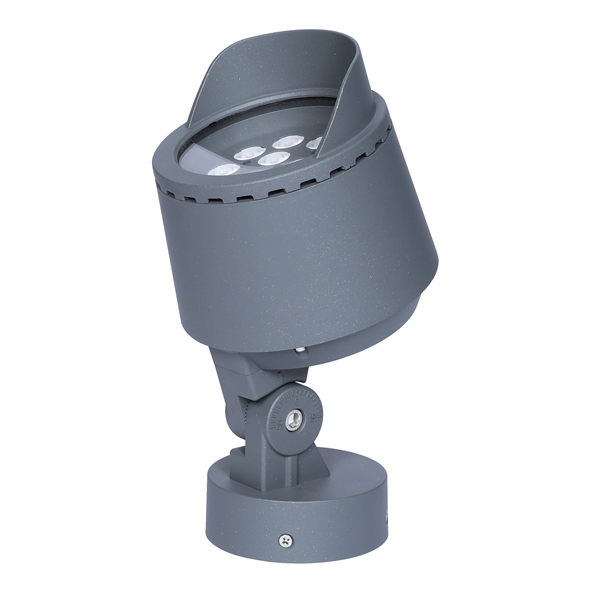
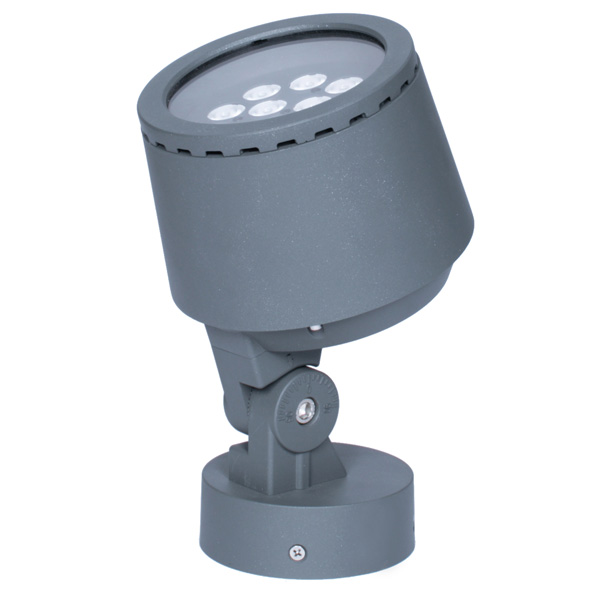
A 36W LED spotlight with base is a medium-power outdoor projection reference for projects that need a directional beam from a fixed surface, bracket point or accessory base. It is most useful when the lighting target is a facade detail, tree, sculpture, sign edge, courtyard feature, entrance wall or close-to-medium landscape zone.
Use this page as a selection guide, not as a final datasheet. The current source package supports 36W-class spotlight context and base-accessory planning, while final optic, electrical input, finish, cable route and project documents should be confirmed for the selected version before quotation.
Source-bounded product position
| Selection point | Fact-safe position | What still needs confirmation |
|---|---|---|
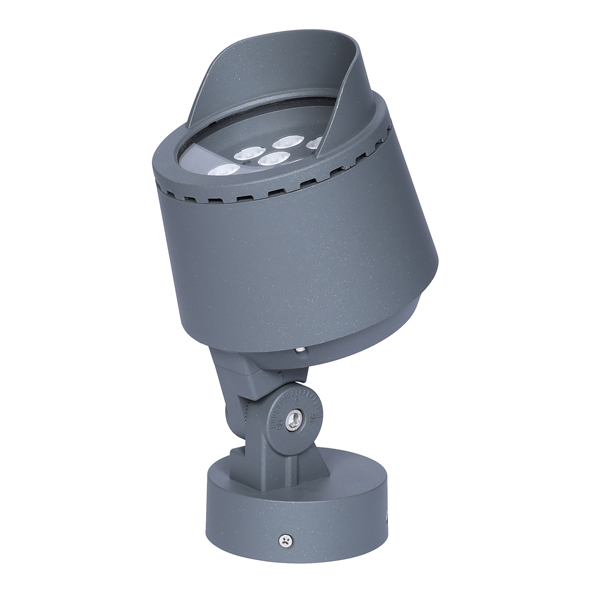
| Product class | Medium-power LED spotlight with base for adjustable outdoor projection. | Final version, drawing, option sheet and project file. |
| Wattage reference | 36W sits within the compact flood and spot light range described in customer material. | Final output and optic for the selected project version. |
| Application direction | Facade accents, trees, sculptures, signage edges, courtyards and exterior commercial details. | Target size, target distance, mounting height and viewing angle. |
| Base planning | Accessory material supports base and rotatable base planning as part of flood-light mounting discussions. | Fixing surface, base orientation, cable entry and accessory combination. |
| Fact-safe limit | The inherited URL wording is not repeated as a fixed visible claim. | Any required project document must be checked for the final selected version. |
Where a 36W base spotlight fits best
| Project scene | Why it may fit | Planning input to collect |
|---|---|---|
| Facade detail or column | A directional spotlight can emphasize texture, edge lines or vertical rhythm. | Wall material, target height, beam direction, fixture distance and sight line. |
| Tree or sculpture accent | A medium-power beam can highlight a specific object without turning the whole area into a broad flood zone. | Object height, canopy or surface width, aiming angle and glare tolerance. |
| Signage edge or entrance feature | The base-mounted form can support a fixed aiming point for repeated alignment. | Mounting surface, cable path, sign position and nearby viewer position. |
| Courtyard or garden feature | The fixture can serve as a project reference when spike mounting is not the preferred route. | Surface fixing method, drainage condition, planting distance and access for adjustment. |
| Commercial exterior detail | A consistent spotlight family can support repeated architectural accents. | Quantity, zone layout, control expectation and maintenance access. |
Base mounting and aiming checklist
- Confirm whether the base fixes to concrete, metal structure, stone, wood, pole accessory or another prepared surface.
- Mark the cable entry direction before confirming the fixture position.
- Check whether the head must tilt upward, downward or across a facade plane.
- Record the distance from fixture to target and the approximate illuminated width.
- Check glare from walkways, windows, seating areas and vehicle approach lines.
- Confirm whether a drawing mark-up, option sheet or simple aiming note is needed before quotation.
- Separate visual effect decisions from final electrical and document confirmation.
Spotlight selection: beam, target and glare
| Question | Why it matters | Useful buyer note |
|---|---|---|
| What is the target? | A tree, sign, facade and sculpture need different beam control. | "Medium-height tree near entrance path." |
| How far is the fixture from the target? | Distance affects beam spread and visible intensity. | "Fixture can be placed about two meters from the wall." |
| What effect is wanted? | A sharp accent, soft wash and narrow highlight use different optics. | "Highlight the column edge; avoid broad area lighting." |
| Who sees the fixture? | Viewer position determines glare risk. | "Guests pass directly beside the fixture." |
| What surface is lit? | Dark stone, light render, glass and planting all reflect differently. | "Textured grey stone; warm visual effect preferred." |
36W spotlight versus nearby product choices
| Option | Use it when | Do not use it when | Related page |
|---|---|---|---|
| 36W base spotlight | The project needs a fixed-base, adjustable medium-power accent. | The target needs broad uniform area coverage. | Landscape LED spotlight range |
| High-output flood-light planning | The site needs long-distance or large-area projection planning. | The target is a small facade detail or close garden feature. | Large-project projection planning |
| R Series flood-light family | The buyer wants a source-backed R/Q family comparison for flood-light models. | The current task is only a compact base-mounted spotlight review. | R Series model selection guide |
| Spike light | The fixture should sit in soil or planting with easier repositioning. | The project requires a fixed base on a hard surface. | Outdoor spike lights |
| Wall light | The fixture should be mounted directly to a facade or corridor wall. | The project needs a separate aimed projector from a base point. | Outdoor LED wall lights |
| In-ground uplight | The fixture should be recessed into paving or landscape ground. | The ground cannot be cut or the aiming point must remain above surface. | LED in-ground lights |
Buyer inputs before quotation
| Input | Why it matters | Example note |
|---|---|---|
| Target object | Object type decides the beam and aiming strategy. | "Stone column, about four meters high." |
| Mounting surface | The base and fixing method depend on the surface. | "Concrete plinth with rear cable entry." |
| Throw distance | Distance changes whether the beam looks tight, balanced or too wide. | "Fixture location is about three meters from tree trunk." |
| Viewer position | Glare control depends on where people stand or walk. | "Main path is beside the fixture line." |
| Electrical coordination | Input, driver location and control expectation must match the project plan. | "Confirm driver position and control expectation before quote." |
| Project documents | Some buyers need drawings, option sheets or test files during approval. | "Please list available files for the selected version." |
Common selection mistakes
| Mistake | Why it causes problems | Safer approach |
|---|---|---|
| Choosing by wattage alone | Wattage does not define beam shape, glare or target fit. | Review target size, throw distance, optic and viewer position together. |
| Ignoring the base location | The best beam angle is difficult to achieve from a poorly placed base. | Mark base position before final fixture selection. |
| Using a spotlight for broad area coverage | A spotlight can create hot spots when the design needs uniform coverage. | Compare flood-light or wall-wash planning for large surfaces. |
| Forgetting cable and access | A clean visual design can fail if cable routing and adjustment access are not planned. | Confirm cable entry and access during drawing review. |
| Treating URL terms as final specifications | An inherited URL can contain historic wording that should not become a visible promise. | Use the final quotation file and project documents as the confirmation source. |
FAQ: 36W LED spotlight with base
What is this 36W spotlight best used for?
It is best used as a medium-power directional spotlight for facade details, trees, sculptures, sign edges, courtyard features and exterior commercial accents where a fixed base and adjustable aiming are useful.
Is this page a final product datasheet?
No. This page is a selection guide. Final version data should be confirmed with the quotation file, drawing, option sheet or customer-requested project document.
Why is wattage alone not enough?
Beam angle, target distance, mounting height, target surface and viewer position decide whether the result looks focused, balanced or glaring. Wattage is only one input.
When should buyers choose a base-mounted spotlight instead of a spike light?
Choose a base-mounted spotlight when the fixture must be fixed on a prepared surface or accessory point. Choose a spike light when soil placement and repositioning are more important.
How should the beam be selected?
Start with the target object, throw distance, desired width, aiming direction and glare tolerance. A drawing mark-up or site photo helps narrow the choice.
Which project details should be shared first?
Share target photos, mounting surface, target distance, desired effect, cable route, quantity, electrical expectation and any project document request.
Can this spotlight be used for large-area projection?
It can be part of an outdoor projection plan, but large surfaces may need high-output flood-light planning or multiple fixtures. The project layout should decide the right path.
Related Radiant Honor pages
Use these pages to compare medium-power spotlight planning with other outdoor lighting choices before final project confirmation.
- Landscape LED spotlights and high-output flood-light planning
- Large-project projection planning
- R Series model selection guide
- Outdoor spike lights for landscape edges
- LED in-ground lights for wall and tree uplighting
- Outdoor LED wall lights
- Beam angle guide for facade and landscape lighting
- In-ground and wall-wash facade lighting guide
- Catalog and project document downloads
- Contact Radiant Honor for project confirmation
