
Products Description
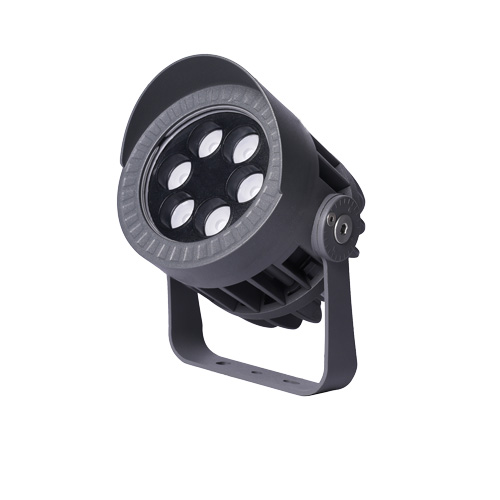
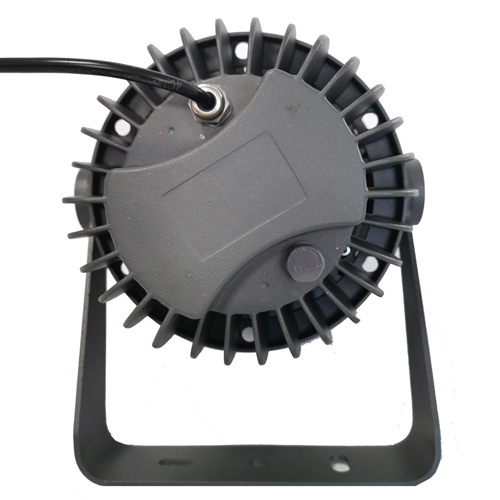
For a 15W-class outdoor spotlight, this page is best used as a compact accent-lighting planning guide rather than a fixed specification sheet. The available customer material supports compact flood and spot lighting, T Series spot-light context around this output class, and applications such as gardens, courtyards, facades, trees, sculptures, signage and hotel exterior areas. Exact beam, colour setup, drive method, finish, mounting detail and project paperwork should be confirmed from drawings and requested configuration before quotation.
15W Outdoor Spotlight Planning Notes
| Project situation | How to use this page | Information still needed |
|---|---|---|
| Garden accent | Use the page to shortlist a compact spotlight for planting, feature stones and small focal points. | Target distance, viewing angle, planting density and desired visual softness. |
| Courtyard and villa lighting | Use it to plan a restrained accent around paths, walls and outdoor seating areas. | Mounting location, finish preference, beam direction and nearby glare-sensitive views. |
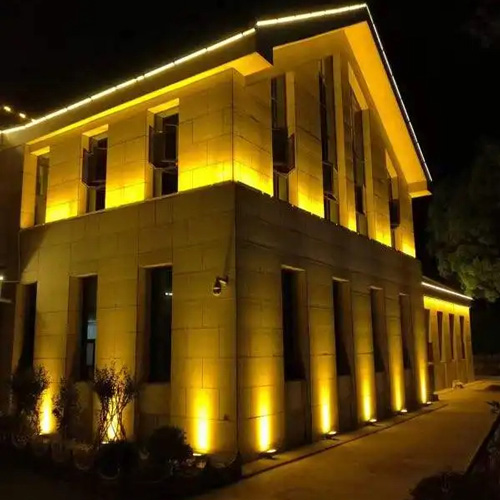
| Facade detail | Use it for columns, entrances, textured wall sections and other small architectural highlights. | Facade material, mounting height, surface colour and target width. |
| Tree or sculpture feature | Use it when the object needs a clean highlight without moving into larger projection fixtures. | Object height, base distance, visitor route and shadow preference. |
Where does a 15W-class outdoor spotlight fit best?
A 15W-class spotlight is usually a compact accent choice. It works best when the project needs visual focus on a garden feature, entrance detail, short facade section, sculpture or tree base rather than broad area illumination. The final fit depends on mounting distance, beam choice, surface reflectance and how much surrounding brightness the site already has.
| Selection factor | Why it matters | Preferred project input |
|---|---|---|
| Target size | Small fixtures are useful when the lighted object is narrow or close to the mounting point. | Photo, drawing or target dimensions. |
| Mounting position | Ground, wall and bracket positions create different glare and shadow behaviour. | Mounting surface, height and aiming direction. |
| Beam preference | Narrower beams emphasize details, while wider beams soften the accent. | Expected effect or reference scene. |
| Surrounding brightness | Ambient light changes how strong a compact accent appears at night. | Nearby path, facade and sign lighting notes. |
How should garden and courtyard projects use this page?
Garden and courtyard projects should use this page to organize placement decisions before asking for a quotation. Compact spotlights can help define planting beds, tree trunks, seating corners and textured surfaces, but the best result comes from matching the beam to the object and keeping direct glare away from paths, windows and outdoor seating.
| Garden element | Planning approach | Question to confirm |
|---|---|---|
| Low planting | Keep the accent soft and close to the target to avoid an oversized pool of light. | Should the plant mass be highlighted as a group or as a single focal point? |
| Small tree | Place the fixture where the beam can lift the trunk and lower canopy without crossing eye level. | Will visitors view the tree from one side or from several directions? |
| Stone or sculpture | Use a controlled accent to reveal texture, shape and shadow. | Which face of the object should become the main night-time view? |
| Courtyard wall | Use grazing or short-distance aiming when the wall texture is part of the design. | Is the goal texture, wayfinding or a quiet background glow? |
Can this page support facade, signage and hotel exterior accents?
Yes, when the required effect is local and detail-oriented. For broad facade coverage or long-distance projection, a higher-output page may be a better comparison point. For small signs, entrance columns, balcony edges and feature walls, this 15W-class page helps collect the basic inputs needed for a project-specific recommendation.
| Use case | Good fit | Compare with |
|---|---|---|
| Entrance detail | Short throw, visible texture and low glare priority. | 24W outdoor spotlight planning guide |
| Small sign or logo area | Focused accent where mounting distance is limited. | 15W compact spotlight reference |
| Hotel garden feature | Quiet visual emphasis near guest routes or outdoor seating. | 24W garden spike light planning guide |
| Tree group or larger planting bed | Use this page for close accents, then compare a stronger garden fixture if needed. | 36W garden spike light planning guide |
What project inputs should be confirmed before quotation?
The safest quotation path is to treat this page as a planning checkpoint. The project team should confirm the target object, distance, mounting method, surface finish, beam expectation, colour preference, operating setup and paperwork needs before the final configuration is selected.
| Input | Why it affects the final choice | Useful format |
|---|---|---|
| Target and distance | Defines the practical beam size and fixture placement. | Drawing, site photo or marked-up plan. |
| Mounting detail | Changes bracket, cable route and aiming limits. | Ground, wall, planter, bracket or custom location note. |
| Colour expectation | Determines whether the project needs a quiet white tone or a special effect. | Written request or reference image. |
| Operating setup | Coordinates driver and control decisions with the wider project system. | Electrical note from the project team. |
How does a 15W-class page compare with nearby spotlight choices?
Use this page when the design needs compact scale and careful placement. If the target is larger, farther away or part of a brighter public exterior, compare nearby spotlight and garden-spike pages before final selection. The goal is to avoid oversizing the fixture while still giving the target enough night-time presence.
| Page to compare | Best use | Decision cue |
|---|---|---|
| 15W compact spotlight reference | Alternate compact spotlight route for similar output planning. | Compare image, mounting and page context. |
| 24W outdoor spotlight planning guide | More visual reach for facade details or larger planting features. | Use when the 15W-class page may be too restrained. |
| 24W garden spike light planning guide | Garden placement where a spike-mounted family is more relevant. | Use when soil placement is the main requirement. |
| 36W garden spike light planning guide | Stronger garden or tree accent with more site presence. | Use when the target is taller or farther from the fixture. |
What should be avoided in public copy for this route?
This route should not be treated as a promise of one fixed outdoor rating, control protocol, colour-output mode, named component brand, approval-file status, availability term or service term. Those details belong in project confirmation because they depend on the requested configuration and the documents supplied for a specific order.
Where can buyers continue after reviewing this page?
Buyers can compare the related compact and garden spotlight pages above, review available files in the download center, or send drawings and target photos through the contact page. For category browsing, the outdoor spotlight category keeps nearby options together for comparison.
