
Products Description
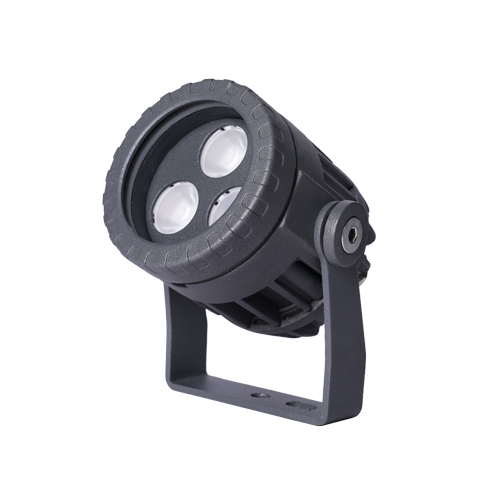
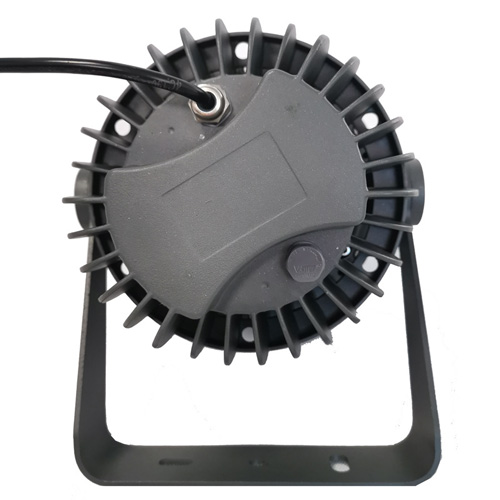
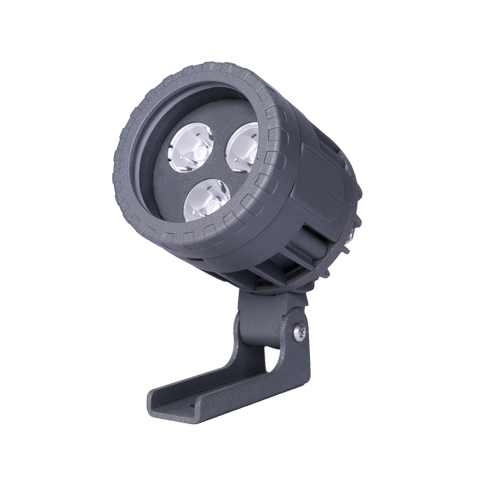
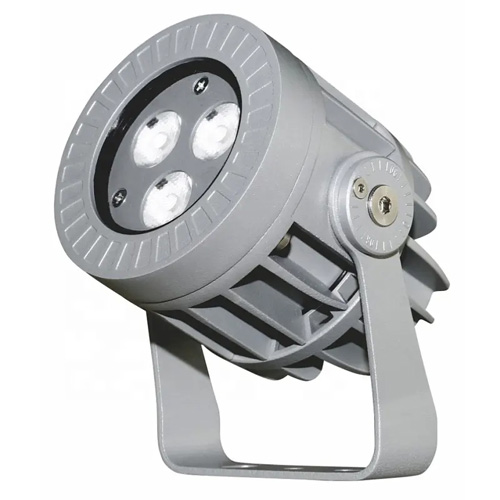
A 15W outdoor spotlight is best selected as a low-power accent fixture for facade details, villa gardens, hotel entrances, park features, and small architectural highlights where controlled direction, mounting choice, and project fit matter more than inflated specification claims.
This page keeps the selection language within the customer material boundary. The source set supports compact flood and spot lighting as a 3W-36W category, places spotlights and floodlights in villa, park, hotel, and architectural scenes, and shows T Series spot lights around the 9W to 18W range. The final configuration should still be confirmed project by project before quotation.
Source-Bounded Selection Snapshot
| Planning point | Practical note for buyers | Why it matters |
|---|---|---|
| Product role | Low-power outdoor spotlight for focused accent lighting | Helps match the page to garden, facade, and feature-lighting searches |
| Power class | 15W class within compact spot and flood lighting discussions | Keeps copy aligned with route intent while avoiding unverified SKU detail |
| Scene fit | Villa, park, hotel, commercial exterior, and architectural accent areas | Matches the application language found in the customer guide |
| Buyer action | Confirm mounting, beam preference, finish, color output, cable plan, and approval files | Protects project quoting from assumptions |
What project role should a 15W outdoor spotlight fill?
Use this wattage class when the project needs a compact fixture to emphasize a defined object or surface rather than wash a large area. Common uses include garden trees, sculpture accents, low facade details, entrance features, sign highlights, and landscape nodes that need a precise beam direction.
| Project area | Best use | Selection focus |
|---|---|---|
| Villa garden | Accent trees, paths, walls, and small focal points | Glare control, finish, mounting angle |
| Hotel exterior | Entrance details, planting zones, and guest-facing landscape features | Visual comfort, finish consistency, maintenance access |
| Park feature | Sculptures, trees, low signs, and landscape markers | Beam direction, fixture placement, protection from touch points |
| Architectural facade | Columns, relief details, wall accents, and doorway highlights | Beam spread, surface distance, installation hardware |
Which scenes match this low-power spotlight class?
The customer selection guide repeatedly connects spotlights with villas, parks, hotels, and architectural projects. For this page, the safest public positioning is a planning guide for those scenes, not a promise that one standard fixture covers every market, mounting condition, and approval path.
| Scene | Typical lighting goal | Buyer question |
|---|---|---|
| Villa courtyard | Create depth and night-time atmosphere | Should the beam be narrow for a tree or wider for a wall? |
| Commercial garden | Guide attention to planting and facade edges | How visible should the fixture be during the day? |
| Hotel entrance | Support a premium arrival view | Does the finish need to coordinate with other exterior fixtures? |
| Park node | Highlight a statue, marker, or landscape feature | Will people pass close to the fixture? |
How should a buyer compare beam and mounting needs?
Beam and mounting decisions should come before decorative wording. A compact spotlight can be useful only when the installer knows the target distance, viewing angle, surface color, and maintenance access. Buyers should prepare photos, drawings, or a simple marked plan before asking for a quotation.
| Decision | Information to prepare | Result of a clear brief |
|---|---|---|
| Beam direction | Target object, distance, and viewing side | Cleaner accent effect and fewer site adjustments |
| Mounting type | Ground, wall, base, spike, strap, or bracket preference | More accurate accessory planning |
| Finish | Body color, visible position, and surrounding materials | Better match with architecture and landscape |
| Electrical plan | Site voltage plan and control expectation | Quotation can be checked against real project needs |
What information should be confirmed before quotation?
For fact-safe procurement, the buyer should treat this page as a selection starting point. Exact optics, accessories, finish, cable arrangement, and project paperwork should be checked against the final inquiry, because customer materials describe product families and scene matching rather than a universal ready-made package.
| Checkpoint | What to send | Why it keeps the quote useful |
|---|---|---|
| Application photo | Daytime site image or drawing | Shows mounting limits and target distance |
| Desired effect | Narrow highlight, soft accent, or area marker | Guides beam and layout discussion |
| Fixture finish | Color and surface preference | Supports architectural coordination |
| Approval files | Market paperwork requested by the buyer | Avoids unsupported public claims |
How can this page support facade and garden planning?
The strongest use of this page is to help buyers compare a compact spotlight against adjacent outdoor lighting choices. A small accent fixture may be ideal for a tree or entrance column, while larger facade areas may need a different product class. Internal comparison keeps the decision grounded in project use instead of isolated keywords.
| Compare with | Use when | Planning link |
|---|---|---|
| Square garden accent page | The buyer wants a compact ground or wall accent style | Square garden accent planning |
| Higher-output square page | The project needs a stronger accent class for wider landscape areas | Higher-output square accent planning |
| Spot light category | The buyer is comparing several compact spotlight families | Outdoor spot light category |
| Contact page | The buyer has drawings, photos, or a project bill to review | Project inquiry contact |
When should higher-output fixtures be considered?
A 15W class spotlight should not be stretched into a high-output floodlight role. If the project involves large facade fields, tall poles, long projection distance, or wide public areas, compare with higher-output flood or spot products and confirm the scene before choosing the final fixture family.
What should be checked before final product selection?
Before final selection, confirm the target surface, beam preference, mounting hardware, finish, voltage plan, color output, control expectation, and required market paperwork. These details are normal project checks and should be handled in the inquiry stage rather than presented as fixed promises on a public page.
Why this wording is safer for procurement teams
The page now focuses on verified product-family context and buyer decisions. It avoids turning catalog fragments into hard public commitments, while still giving search engines and procurement teams enough context to understand the intended use of a 15W outdoor spotlight for garden and facade accent projects.
