
Products Description
36W Outdoor Spotlight | Garden and Facade Planning Guide
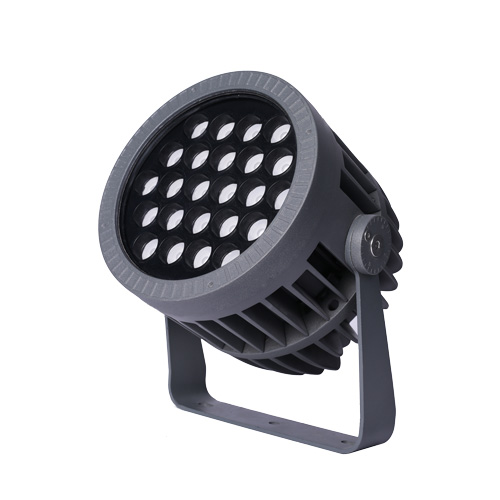
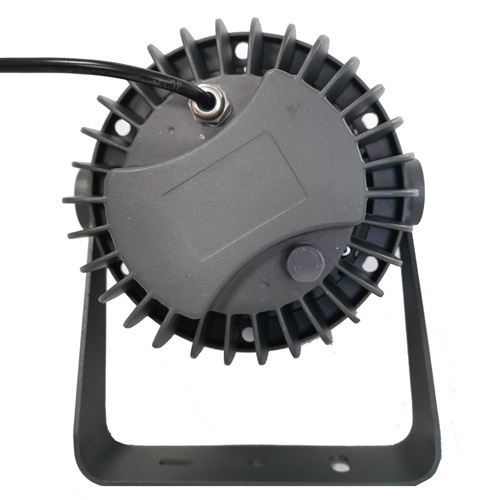
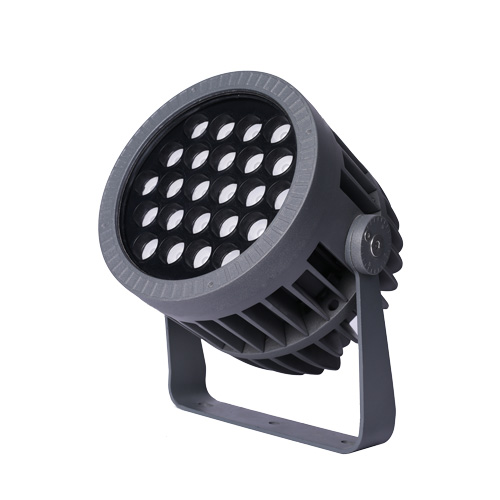
This 36W outdoor spotlight page is written as a planning guide for garden, tree, wall and facade accent projects. Use it to prepare the application notes that a project buyer, lighting designer or purchasing team should confirm before a formal quotation.
The page keeps the product-family identity while avoiding unsupported fixed promises. Final configuration should be checked against drawings, exposure conditions, mounting method, color-output needs and wiring plans.
Quick Planning Snapshot
| Planning item | Use this page to confirm |
|---|---|
| Product role | Medium-output outdoor spotlight for garden, tree, wall and facade accent work. |
| Output level | 36W class page; match final brightness with target distance, beam angle and scene size. |
| Mounting | Confirm bracket, spike, base or surface installation before quotation. |
| Color output | Confirm single-color or color-changing requirement by project, not as a default assumption. |
| Control method | Confirm simple switching, dimming or project-control wiring from drawings. |
| Outdoor exposure | Confirm required protection level from the actual installation environment. |
Where This 36W Spotlight Fits
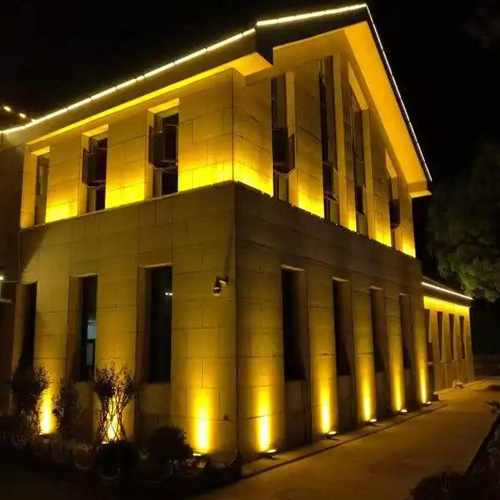
The 36W class is useful when a project needs more reach than small accent lights but does not need a large floodlight body. Typical planning scenes include tree uplighting, garden focal points, low facade accents, wall features, signage areas and courtyard landscape zones.
For close-distance decorative scenes, compare lower-wattage garden spotlights. For large building surfaces or long-throw projection, compare larger floodlight families instead of forcing this page into an oversized application.
Selection Factors Before Quotation
| Factor | Why it matters | Buyer note |
|---|---|---|
| Beam angle | Controls whether the light creates a narrow highlight or a wider wash. | Share target distance and surface width. |
| Mounting location | Affects bracket choice, aiming direction and cable route. | Share photos, drawings or installation height. |
| Color output | Different scenes may need warm, neutral, cool or color-changing output. | Confirm the intended visual effect before pricing. |
| Control plan | Switching, dimming and project-control wiring change the electrical plan. | Confirm the site control method with the designer. |
| Outdoor exposure | Rain, irrigation, dust and nearby ground conditions affect housing choice. | Describe whether the fixture sits in soil, paving or wall areas. |
Garden, Tree and Facade Use Cases
| Use case | Planning note |
|---|---|
| Garden focal point | Aim the fixture at shrubs, sculpture or feature walls. |
| Tree uplighting | Use beam angle and distance to shape canopy accent. |
| Low facade projection | Plan controlled emphasis around entrances, columns or signage. |
| Courtyard scenes | Review glare direction, mounting height and cable route early. |
How to Compare With Related Pages
Use the LED Garden Spike Lights category for soil-mounted and landscape-adjacent products. Use the compact flood and spot family when the project needs a similar accent role with different mounting. Use high-power floodlight pages only when the target surface and distance require a larger fixture class.
| Compare with | When it may fit better |
|---|---|
| Lower-wattage garden spotlights | Close-range decorative scenes, smaller planting beds or subtle accent work. |
| Square garden spotlight pages | Projects that prefer a square body style or a different visual appearance. |
| Compact flood and spot pages | Facade, signage or wall lighting that needs bracket-led mounting choices. |
| High-power floodlight pages | Large surfaces, long-throw projection or wider commercial exterior lighting. |
Information to Send With an Inquiry
For faster technical review, send the application scene, fixture quantity estimate, target surface, beam preference, mounting location, color-output requirement, control method, voltage preference and any project drawings. This lets the team confirm whether the 36W outdoor spotlight page is the right starting point or whether another product family is more suitable.
| Project file | Helpful detail |
|---|---|
| Scene photo or drawing | Shows where the light will be aimed and mounted. |
| Target distance | Helps compare beam spread and brightness needs. |
| Visual effect note | Clarifies whether the goal is soft accent, narrow highlight or wider coverage. |
| Electrical plan | Helps confirm voltage preference and control wiring. |
Can this 36W spotlight be used for both garden and facade accent work?
Yes, it can be considered for both scene types when the target distance, beam angle, mounting position and visual effect are suitable. Final selection should be checked from the project layout rather than from the product title alone.
Is color-changing output the default for this page?
No. Treat color output as a project option to confirm. Many landscape projects use single-color output, while some public or commercial scenes may request color-changing effects.
Should the control method be fixed before quotation?
Yes. The control method affects wiring, accessories and quotation details. Share whether the project needs simple switching, dimming or a coordinated lighting-control plan.
What mounting information should be prepared?
Prepare the installation surface, aiming direction, approximate height or ground position, cable route and whether the fixture needs a spike, bracket, base or custom mounting arrangement.
How should buyers choose beam angle?
Use narrower beams for focused accents and wider beams for broader surfaces. The right choice depends on target size, throw distance and the effect the designer wants to create.
When should a larger floodlight be considered instead?
Consider a larger floodlight class when the surface is broad, the throw distance is long or the project needs high-output coverage across a building, plaza or public-space area.
What should be confirmed before placing an order?
Confirm product role, beam angle, mounting, color output, control method, voltage preference, outdoor exposure, finish color and project drawings before moving from selection to quotation.
