
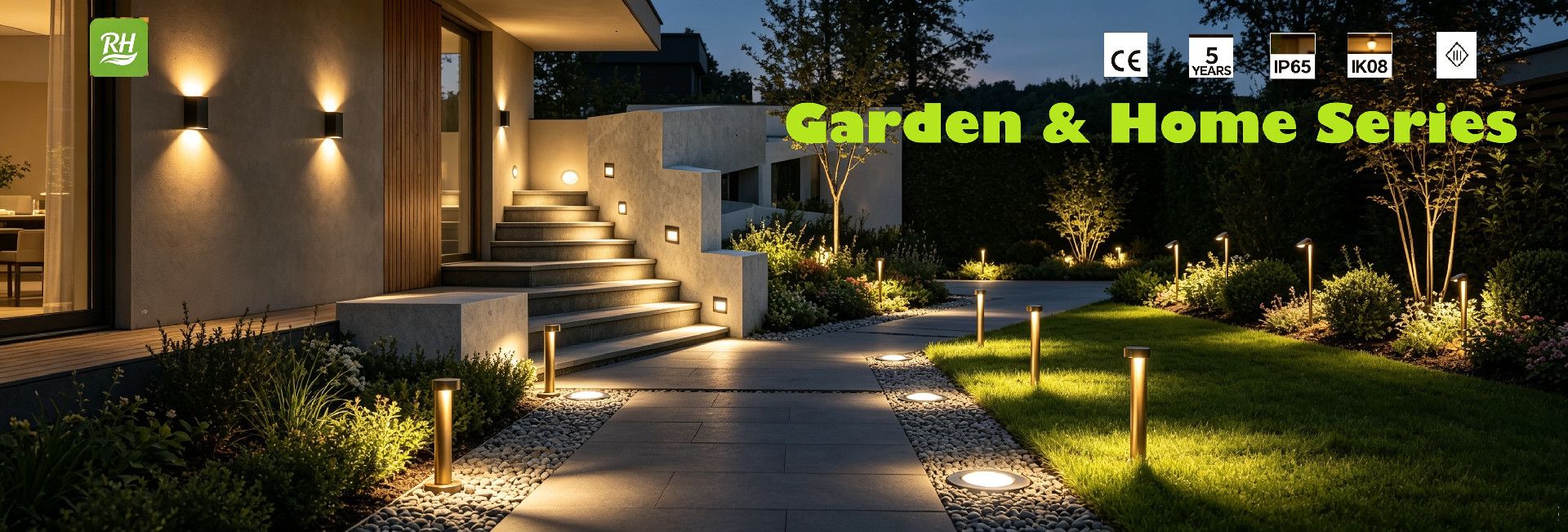
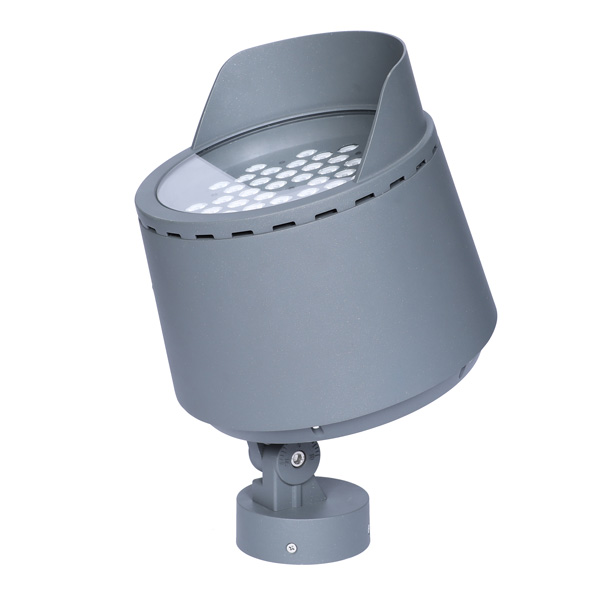
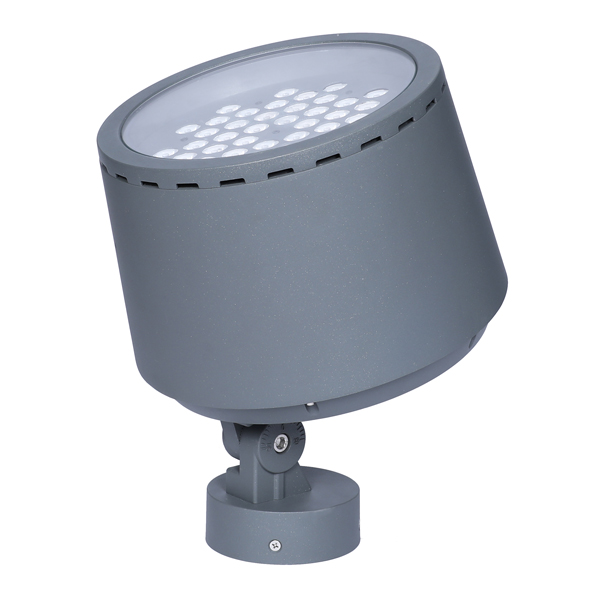
Products Description
Quick Answer for 120W Spotlight With Base Selection
120W spotlight with base is best treated as a high-power outdoor projection reference for facade details, trees, sculptures, signs, plaza features, and landscape focal points where a stable surface-mounted base and adjustable aiming are important. Use this page as a project planning guide: final beam, wiring, finish, color mode, control method, protection target, mounting details, and project file set should be confirmed for the selected order configuration.
The verified customer material supports a high-power flood-light category beginning at 120W. This update keeps the public copy at that source-safe level and avoids turning route words or catalog examples into fixed product promises.
Source-Safe Product Positioning
| Item | Fact-safe reference | Planning meaning |
|---|---|---|
| Product role | 120W outdoor projection spotlight with base | Use when a project needs stronger projection than compact garden fixtures and a stable surface mounting point. |
| Power class | 120W page reference within the high-power flood-light family | Compare with target size, throw distance, mounting height, and glare tolerance before final selection. |
| Mounting style | Base-mounted planning reference | Suitable for prepared surfaces, low walls, platforms, concrete pads, and other hard mounting zones. |
| Application range | Facade, tree, sculpture, sign, plaza, and landscape projection planning | Confirm the object size and viewer direction before choosing beam and quantity. |
| Final configuration | Project-confirmed | Beam, color mode, control method, wiring, finish, and project file set should be agreed before production. |
Where This Base-Mounted 120W Spotlight Fits
| Scene | Why this format can fit | Selection note |
|---|---|---|
| Facade accent | A surface-mounted base can place the fixture on a ledge, roof edge, low wall, or prepared pad. | Check setback, aiming angle, beam spread, and spill light on nearby windows. |
| Tree or landscape feature | Higher output can help reach taller planting or larger garden features from a stable position. | Review glare from walking paths and seating areas before fixing the angle. |
| Sculpture or monument detail | Directional projection can isolate the object and support a focused nighttime view. | Confirm object size, surface reflectance, and whether one or several fixtures are cleaner. |
| Sign or entrance feature | Aiming adjustment can help light vertical surfaces without placing the fixture in soil. | Check viewer direction, shadow position, and maintenance access. |
| Plaza or public space feature | A prepared base can simplify alignment where soil spike mounting is not suitable. | Confirm cable route, power position, pedestrian clearance, and anti-glare needs. |
Beam, Aiming, and Glare Planning
| Decision | Use this approach when | What to check |
|---|---|---|
| Narrow accent | The target is a column, sign edge, sculpture detail, or tall narrow feature. | Check hotspot strength and whether the beam misses the wider surface. |
| Medium projection | The target is a facade bay, tree crown, entrance element, or large landscape feature. | Review beam overlap, aiming height, and whether paired fixtures are better than one bright point. |
| Wide soft coverage | The target is broad, close, or highly reflective. | Check spill toward paths, neighboring walls, windows, and seating areas. |
| Low mounting point | The fixture sits on a low wall, pad, step edge, or platform. | Review visible source angle from normal walking height. |
| Longer setback | The mounting point is farther from the illuminated object. | Confirm whether the selected power class and beam plan still reach the target cleanly. |
Site and Installation Inputs
| Input | Why it matters | Buyer detail to send |
|---|---|---|
| Mounting surface | Concrete, stone, metal frame, timber, and wall caps need different fixing details. | Send surface material, thickness, and a photo of the mounting zone. |
| Cable route | High-power outdoor projection needs a clean route for power and future access. | Mark cable direction, conduit route, and any hidden wiring requirement. |
| Outdoor exposure | Rain, irrigation, dust, coastal air, and standing water affect the required protection target. | Describe drainage, splash direction, roof cover, planter edges, and maintenance access. |
| Viewer direction | Strong projection can cause discomfort if aimed toward people. | Share main walking routes, seating areas, windows, and normal viewing points. |
| Control and color need | Control and color choices should be selected for the real project, not assumed from the route name. | State simple switching, dimming, or a project-specific scene requirement. |
Buyer Confirmation Before Quotation
| Confirm | Reason | Useful detail |
|---|---|---|
| Target object | Beam and quantity depend on the object size and surface material. | Facade bay, tree, sculpture, sign, wall texture, plaza feature, or entrance element. |
| Fixture position | Setback and height change beam width, output need, and glare risk. | Distance from target, mounting height, and aiming direction. |
| Desired effect | Outdoor projection can be sharp, balanced, or soft. | Focused highlight, broad accent, entrance emphasis, or landscape focal point. |
| Environment | Protection target, connector, cable exit, and finish depend on site condition. | Rain exposure, irrigation, dust, coastal air, wall base, roof edge, or open plaza. |
| Project file need | Different buyers need different layout, drawing, and photometric support. | Send required file type and the project stage before asking for final output. |
Related Selection Pages
| Page | Use it for |
|---|---|
| High-power flood light category | Compare larger outdoor projection products within the same category. |
| Beam angle guide | Plan narrow, medium, and wide beam effects before confirming the layout. |
| Flood light accessory guide | Review glare, mounting, aiming, and power-protection accessories. |
| Early confirmation guide | Reduce rework by confirming project inputs before production. |
| Download center | Review available catalog and project reference files. |
| Contact Radiant Honor | Send drawings, site photos, target distance, and selection requirements. |
FAQ
What is a 120W spotlight with base best used for?
It is best used as a high-power outdoor projection reference for facades, trees, sculptures, signs, plaza features, and landscape focal points where surface mounting and aiming adjustment are important.
Is this page a fixed datasheet?
No. It is a project-selection reference. Final beam, color mode, control method, finish, cable route, protection target, and project file set should be confirmed for the selected order configuration.
How should the beam be selected?
Start from the target size, setback, mounting height, and viewer direction. A narrow beam can isolate a detail, while a wider beam can soften coverage on broad surfaces.
What should be confirmed before production?
Confirm the target object, fixture position, cable route, color and control need, outdoor exposure, maintenance access, and project file expectations.
When should a base-mounted fixture be compared with spike or pole options?
Compare mounting styles when the fixture may sit in soil, on a hard surface, on a wall cap, or on a pole. The right mounting method depends on surface, access, aiming, and cable route.
How should color and control requirements be handled?
Treat color and control as project-specific choices. State the desired scene, switching method, dimming need, and controller environment before finalizing the product configuration.
What information helps Radiant Honor respond accurately?
Send site photos, drawings, target distance, mounting height, viewing direction, desired effect, quantity estimate, and required file type for the project stage.
