
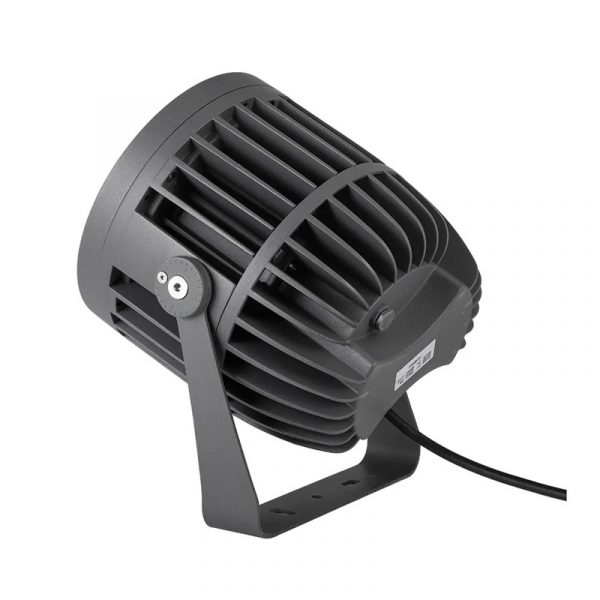
Products Description
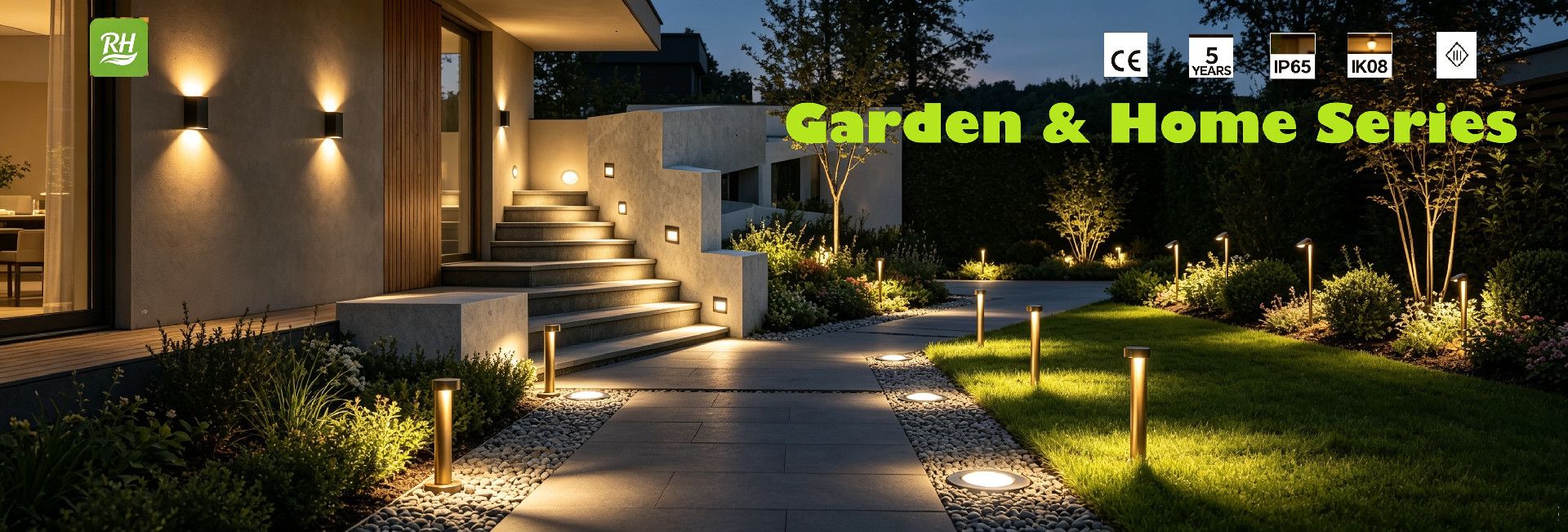
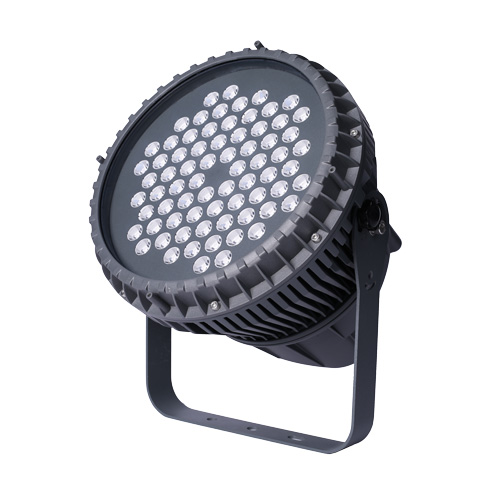
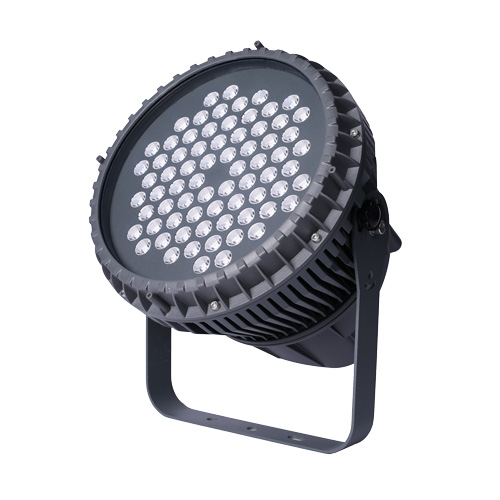
150W Outdoor LED Spotlight is a 150W power-class outdoor spotlight reference for facade accents, garden features, signage edges, landscape details, and commercial exterior lighting. Use this page as a project-configuration guide when the site needs more projection distance than compact accent lights while still requiring controlled aiming, shielding, and final project confirmation before selection.
Final beam, color mode, control interface, protection target, optics, LED platform, drawings, photometric data, and available project files should be confirmed for the selected configuration. The page does not turn any option into a fixed default.
Project Configuration Summary
| Item | Fact-safe description |
|---|---|
| Product type | Longer-throw outdoor spotlight for facade, garden, signage-edge, and site projection planning. |
| Nominal power class | 150W power class; confirm final electrical and optical data from the quotation or project datasheet. |
| Project fit | For stronger projection distances, wider target surfaces, larger planting zones, and commercial exterior areas where mounting distance and glare control matter. |
| Color and control | White light or project-specific color-control configurations can be discussed during specification. Do not treat any control method as a fixed default until the selected configuration is confirmed. |
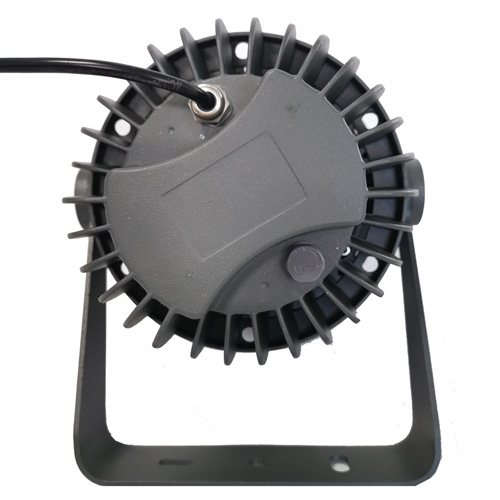
| Outdoor protection | Confirm the target protection requirement, cable exit, connector, drainage condition, and installation environment before final confirmation. |
| Optics and glare | Beam angle, shielding, aiming direction, and glare tolerance should be selected after checking mounting distance, target width, and viewing direction. |
| Project files | Datasheets, drawings, photometric files, and other project files are provided only when available for the confirmed configuration. |
When a 150W Power Class Makes Sense
| Project condition | Why this page may fit | What to confirm |
|---|---|---|
| Longer facade or signage-edge projection | Higher output class can help when the fixture is set farther from the target than compact accent lights. | Target width, aiming angle, beam spread, and glare from pedestrian or driver viewpoints. |
| Large planting zones or landscape features | Useful when the target area needs stronger throw but still needs controlled accent lighting rather than broad area wash. | Mounting location, viewing direction, shadow effect, and shielding preference. |
| Commercial exterior paths and site edges | Can be considered where project teams compare output, fixture body style, and mounting access before final selection. | Power plan, service access, cable routing, and required project files. |
| Alternative to multiple smaller fixtures | One higher-output fixture may simplify aiming in some layouts, while several smaller fixtures may give smoother coverage in others. | Uniformity expectation, hot-spot tolerance, fixture count, and mockup result if available. |
Beam and Mounting Decisions to Confirm
| Decision point | Selection logic |
|---|---|
| Beam spread | A narrower beam concentrates light on a smaller target; a wider beam covers more surface with softer intensity. Match the beam to the target size and throw distance. |
| Mounting distance | Greater distance usually needs tighter aiming control and careful brightness review. Shorter distance may need softer spread or shielding to avoid hot spots. |
| Viewing direction | Check whether people see the lit surface, the fixture face, or reflected glare. The answer affects shielding, tilt, and placement. |
| Fixture body style | Compare round, square, base-mounted, and light-shelter references according to installation location and visual preference. |
| File needs | Ask for only the drawings, photometric data, or datasheet items needed for the selected project version. |
Buyer Confirmation Checklist
- Confirm target surface, mounting height, distance, beam angle, and expected brightness.
- Confirm whether the fixture needs a round body, square body, base mount, or light-shelter form.
- Confirm white light or color-control requirement without assuming a fixed control method.
- Confirm target protection requirement, cable length, connector, power plan, and service access.
- Confirm whether glare shield, aiming adjustment, or a mockup review is needed for the project.
- Request only the project files required for the selected version.
Common Selection Mistakes
| Mistake | Better approach |
|---|---|
| Choosing by wattage only | Compare beam spread, target distance, surface size, viewing angle, and fixture position before final selection. |
| Using a wide beam for a distant target | Check whether the result becomes too soft before reaching the target surface. |
| Using a tight beam close to a wall | Review hot spots, visible glare, and uneven edges before approving the layout. |
| Ignoring fixture access | Confirm cable routing, aiming adjustment, and service access while the mounting detail is still flexible. |
| Assuming every option is standard | Treat color mode, control interface, optics, accessories, and files as selected-configuration items. |
Compare Related Outdoor Spotlight Options
- 120W outdoor spotlight reference
- 150W light-shelter spotlight reference
- V Series outdoor projection range
- Confirm project configuration
FAQ
Is this page a fixed datasheet?
No. It is a selection reference page. Final specifications should come from the quotation, drawing, or datasheet issued for the confirmed project configuration.
When should buyers choose a 150W power class instead of a smaller spotlight?
Consider it when the mounting distance, target surface, or site scale is beyond a compact accent-light layout. Still compare beam angle, glare, fixture position, and the required project files before selecting by wattage.
How does beam angle affect the result?
A narrower beam concentrates light on a smaller target, while a wider beam covers more surface with softer intensity. The right choice depends on target size, throw distance, mounting height, and viewing direction.
Are color-control settings fixed for this page?
No. White light and color-control requirements should be confirmed as selected-configuration items. Do not treat any control method as a fixed default without the project datasheet.
What should buyers prepare before specification?
Prepare target photos or drawings, mounting distance, expected surface width, viewing direction, power plan, body-style preference, and the project files needed for review.
