
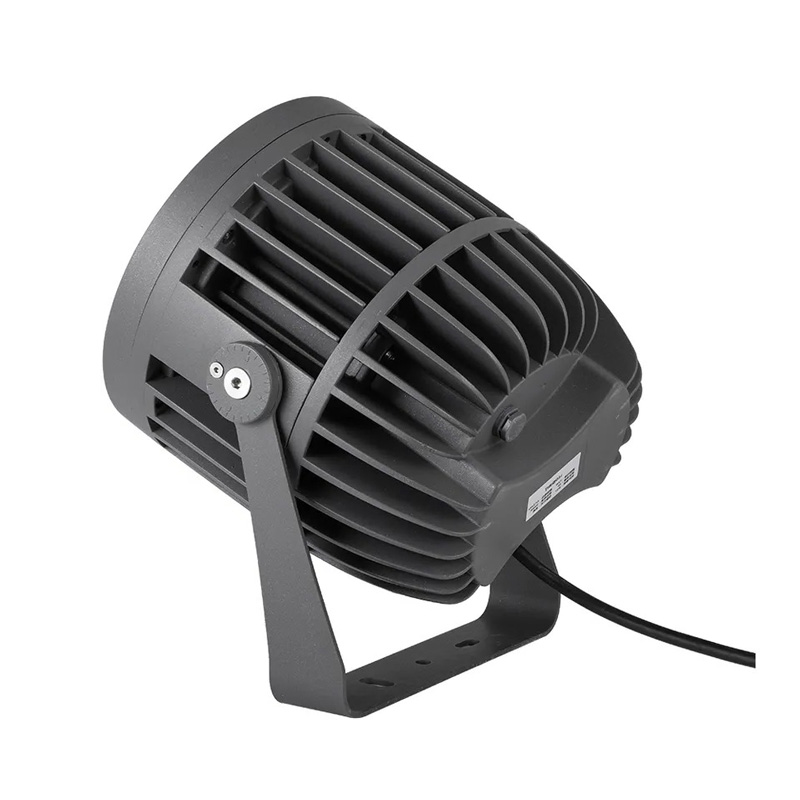
Products Description
150W Outdoor Spotlight with Light Shelter: project selection guide
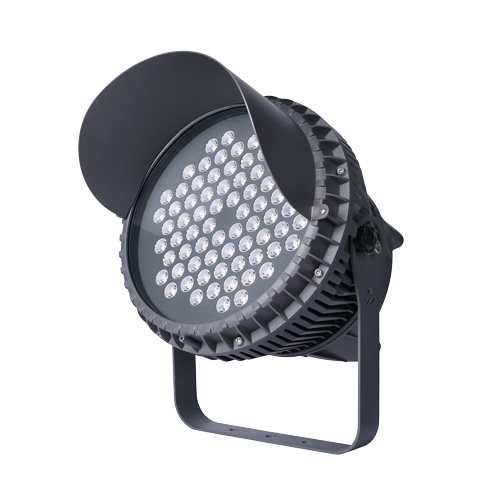
The 150W Outdoor Spotlight with Light Shelter page is best used as a project-configuration reference for facade accents, signage edges, landscape features, and commercial exterior zones where beam control and viewing direction matter. Treat the 150W label as a power-class starting point, then confirm the final electrical, optical, and installation details for the selected configuration.
The light-shelter wording on this page should be read as a product-form and glare-planning cue, not as a fixed promise for one optical or control package. The safer workflow is to define the surface, mounting position, beam requirement, viewing angle, and file needs before comparing final order options.
| Planning item | Fact-safe guidance | What to confirm |
|---|---|---|
| Power class | Use 150W as the page-level power-class reference for comparison and project routing. | Final electrical data for the selected project configuration. |
| Fixture form | The shelter-form label is useful when the project needs closer attention to glare, spill, and viewing direction. | Housing, shielding, aiming, and installation geometry shown on the project drawing or datasheet. |
| Project fit | Best reviewed for facade details, signage edges, garden features, and controlled exterior accent zones. | Target surface size, mounting distance, and viewer position. |
| Optical setup | Beam choice should follow the target area and the distance from fixture to surface. | Beam angle, aiming direction, and mock-up tolerance. |
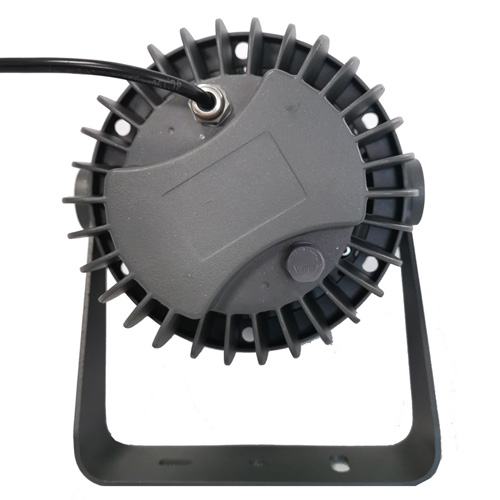
| Outdoor setup | Outdoor use should be checked against cable exit, drainage, mounting stability, and site exposure. | Selected protection target and installation details for the final order. |
| Project files | Use project files to align buyer, designer, and installer expectations before production review. | Datasheet, drawing, photometric file, and any destination-market document request. |
When this spotlight path makes sense
This page is most useful when the project needs a stronger accent than compact spotlights, but still requires more aiming control than broad area lighting. It should not be chosen only by wattage; the surface, mounting height, beam reach, and glare boundary are more important for the final visual result.
| Use case | Why this path may fit | Review before selection |
|---|---|---|
| Facade feature lighting | Useful when a column, entrance, wall texture, or architectural detail needs concentrated emphasis. | Surface distance, beam spread, shadow pattern, and viewing direction. |
| Signage edge lighting | Useful when the beam must reach a defined sign or logo zone without excessive spill. | Mounting offset, aiming angle, glare line, and maintenance access. |
| Landscape feature lighting | Useful when trees, sculptures, or landscape objects need a controlled high-output accent. | Object height, viewing path, beam overlap, and shielding needs. |
| Commercial exterior accents | Useful when building entries, hotel exteriors, or public-facing features need project-level coordination. | Drawing review, site exposure, color target, and sample approval plan. |
Beam and glare review workflow
Before choosing this path, describe the beam result in plain project language. A narrow highlight, a medium facade accent, and a broader feature wash can all point to different optics or aiming decisions. The light-shelter form is most valuable when the project team has already defined where glare and spill are most sensitive.
- Mark the target surface and the viewer positions on the drawing.
- Record mounting height, setback distance, and expected aiming direction.
- Compare narrow, medium, and broader beam intentions before confirming optics.
- Check whether shielding, rotation, or bracket position affects visual comfort.
- Review cable exit, drainage direction, and service access before final installation planning.
| Decision point | Project question | Related guide |
|---|---|---|
| Beam width | Does the project need a tight accent, a medium feature beam, or a wider wash? | Beam angle guide |
| Facade distance | How far is the fixture from the wall, and how even should the surface look? | Facade wall wash guide |
| Glare control | Will viewers see the fixture from paths, roads, balconies, or public areas? | Accessory and glare guide |
| Fixture family | Should the project compare compact spotlights, R-series style floodlights, or higher-output flood paths? | R Series selection guide |
Buyer confirmation checklist
| Checkpoint | Why it matters | Safe request wording |
|---|---|---|
| Target surface | The same fixture can look different on stone, glass, trees, signs, or painted walls. | Share target photos and a simple drawing with mounting distance. |
| Beam effect | Beam width controls the balance between accent, wash, and spill. | Ask for beam options suitable for the target distance. |
| Aiming and bracket | The final viewing comfort depends on bracket position and aiming range. | Ask for drawing confirmation of the proposed mounting angle. |
| Outdoor exposure | Drainage, cable route, and site exposure affect the safe fixture path. | Describe the installation location and request the matching outdoor configuration. |
| File package | Designers and installers may need different documents before approval. | Request the datasheet, drawing, and photometric file needed for project review. |
| Order configuration | Color target, control need, finish, and optical selection may vary by project. | Ask the supplier to mark final configuration items clearly before production review. |
How to compare this page with nearby product paths
If the project needs a smaller accent, start with Landscape LED Spotlights and compact spotlight pages. If the project needs broader facade or area output, compare LED High-Power Flood Lights. For model-family comparison and beam planning, also review the R Series LED Flood Lights guide. For project files or drawings, use the download center or send the target surface and mounting notes through the contact page.
FAQ for 150W outdoor spotlight selection
When should a 150W outdoor spotlight be reviewed for a facade?
Review this path when the facade feature needs stronger projection than compact accent lights and the project can define mounting distance, target surface, and viewing direction.
What does the light-shelter wording mean for selection?
Use it as a cue to review shielding, glare, aiming, and spill control. The final form and optical package should be confirmed from the selected order configuration.
How should beam angle be chosen for this page?
Start with the target size and fixture distance. A narrow effect emphasizes a smaller feature, while a broader effect can cover more surface area with less concentrated intensity.
What should buyers prepare before asking for a project review?
Prepare target photos, mounting height, distance, desired beam effect, outdoor exposure notes, and the file types needed by the designer or installer.
Can this spotlight be compared with R Series flood lights?
Yes. Compare this path when the project needs controlled projection, then review R Series or high-power flood paths when the target area or mounting height requires a different family.
Which details should stay as confirmation items?
Color target, control need, finish, optical setup, outdoor configuration, and document package should remain confirmation items until the selected order configuration is reviewed.
How can glare risk be reduced before final selection?
Check viewer positions, aiming direction, mounting offset, shielding needs, and sample review expectations before the project moves from concept to final fixture selection.
Source-Boundary Notes for 150W Outdoor Spotlight Projects
This page should be used as a project-selection route, not as a promise that every order uses one fixed optical, control, component, or document package. The 150W label is useful for comparing project scale, while the final fixture record should be confirmed from the selected drawing, datasheet, and destination requirements.
What source-backed boundary should buyers keep in mind?
| Decision area | Supported public wording | Keep as confirmation item |
|---|---|---|
| Power class | Use 150W as the page-level power class for high-output exterior spotlight planning. | Final electrical data for the selected order record. |
| Category fit | Review under the high-power flood and spotlight family for facade, signage, landscape, and commercial exterior accents. | Whether this exact sheltered form is the best fit versus broader flood-light or compact spotlight paths. |
| Beam planning | Choose the beam path from target size, distance, aiming angle, and glare boundary. | Final lens, shielding, rotation, and mock-up tolerance. |
| Outdoor setup | Discuss cable exit, drainage direction, mounting stability, and service access before final selection. | Site exposure target and installer-approved mounting details. |
| Project documents | Prepare drawings and project requirements before quotation review. | Destination-market files and any formal document request from the buyer. |
What quotation inputs make this sheltered spotlight easier to confirm?
| Buyer input | Why it matters | Helpful format |
|---|---|---|
| Target surface | Defines whether the page should stay with a focused spotlight path or move to a wider flood-light path. | Facade photo, elevation drawing, or marked target area. |
| Mounting position | Controls beam reach, glare line, cable route, and service access. | Height, setback distance, bracket direction, and installer notes. |
| Visual target | Separates narrow emphasis, medium accent, and wider feature lighting. | Reference image, aiming sketch, or beam-intent note. |
| Control expectation | Prevents the project team from assuming one default control package. | Simple operation note or control-system requirement from the designer. |
| Review files | Keeps procurement, design, and installation teams aligned before approval. | Datasheet request, drawing request, sample note, or project checklist. |
For adjacent comparisons, review the high-power flood-light category, the R Series selection guide, and the beam angle guide before final fixture confirmation.
