

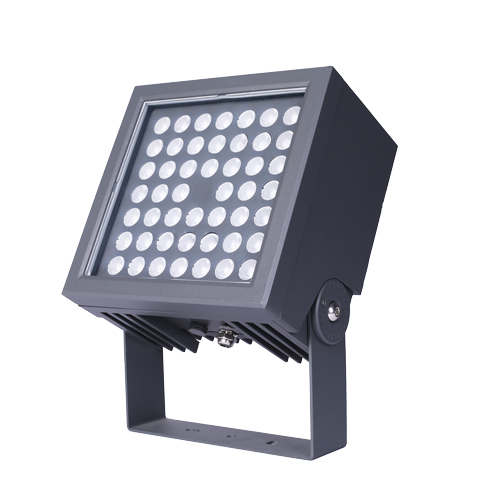
W Series Square LED Spotlights for Architectural Accent Planning
W Series square LED spotlights are a Radiant Honor outdoor accent-lighting family for facade details, entrances, signage, plazas, hotel landscapes, monuments, gardens, and commercial exterior scenes where a clean square fixture form is preferred.
Use this page as a project-selection guide. Final wattage, beam, color-output plan, controller method, cable route, outdoor protection target, finish, bracket, and project file set should be checked against drawings and the selected model before quotation.
What Is The W Series Best Used For?
| Project scene | Typical planning role | Decision to confirm |
|---|---|---|
| Commercial facade | Accent vertical details, signage, entrances, and facade rhythm. | Beam width, fixture position, aiming direction, and glare control. |
| Hotel and resort landscape | Connect outdoor paths, garden features, walls, and arrival areas with one square fixture language. | Finish, mounting surface, color-output plan, and maintenance access. |
| Public plaza or monument | Highlight columns, sculptural features, low walls, and landmark details. | Projection distance, target size, controller method, and cable route. |
| Residential exterior | Provide clean accent lighting for gates, garden walls, planting edges, and courtyard features. | Visual comfort, beam angle, fixture scale, and outdoor exposure. |
How Should Buyers Compare W Series Model Paths?
The customer catalogue shows W Series model families from compact square spotlights to larger square projection fixtures. Instead of treating one configuration as the default, compare the model path by scene size, mounting distance, fixture visibility, and required night effect.
| Model path | Best-fit planning use | Buyer-side check |
|---|---|---|
| Compact W Series path | Close-range facade details, small signs, garden accents, and entrance features. | Check beam spread, glare direction, and whether the fixture body is visible in daytime. |
| Mid-output W Series path | Walls, trees, hotel landscape elements, commercial exterior accents, and larger signs. | Check target distance, mounting height, controller method, and cable access. |
| High-output W Series path | Broader architectural accents where a square fixture family is preferred over a round body. | Check heat space, bracket strength, aiming angle, and project file requirements. |
Which Details Should Be Confirmed Before Quotation?
| Confirmation item | Why it matters | Preferred buyer input |
|---|---|---|
| Target object | The same fixture family can produce very different results on stone, glass, plants, signage, or painted walls. | Photos, elevation drawings, target width, and viewing distance. |
| Beam and aiming | Beam choice controls whether the result feels like a narrow accent, medium feature beam, or wider wash. | Mounting point, target height, desired focus, and glare-sensitive directions. |
| Color-output plan | Static white scenes and color-scene projects need different fixture and wiring decisions. | Scene intent, control zone, cable route, and commissioning expectation. |
| Outdoor protection target | Exposure level depends on rain direction, drainage, cleaning method, and fixture position. | Installation surface, drainage condition, and maintenance access. |
| Mounting hardware | Square spotlights may need different bracket, base, or wall-mount decisions by surface type. | Wall, ground, pole, bracket, or custom mounting requirement. |
How Does Square Housing Affect The Final Design?
A square spotlight body can look more architectural than a round body on modern facades, hotel entries, commercial landscapes, and clean-lined residential exteriors. This matters when the fixture remains visible during the day and becomes part of the architectural language.
For night scenes, square housing does not replace optical selection. The project still needs a clear beam plan, aiming plan, glare-control decision, and mounting review before the fixture list is finalized.
How Should Beam Angle Be Selected?
| Lighting intention | Beam direction | Selection note |
|---|---|---|
| Column or sign accent | Narrower beam path | Use when the target is slim, tall, or needs a focused highlight. |
| Facade feature | Medium beam path | Use when a wall detail, entrance plane, or facade module needs balanced coverage. |
| Landscape feature | Medium-to-wide beam path | Use when trees, planting groups, sculptures, or garden walls need softer coverage. |
| Plaza or public-space object | Project-specific beam path | Check viewing distance, glare direction, and fixture spacing before final selection. |
For a deeper planning workflow, review the beam angle guide for facade and landscape lighting.
When Is A Color-Scene Version Appropriate?
A color-scene version is useful when a hotel, commercial facade, public plaza, landmark, or seasonal display needs more than a stable white-light effect. The project team should confirm zones, controller method, wiring distance, scene logic, and commissioning responsibility before comparing models.
For simple architectural illumination, a stable white-light version may be easier to specify, install, and maintain. The better choice depends on the scene goal rather than a default product label.
What Should Be Checked For Outdoor Installation?
| Installation factor | Risk if ignored | Fact-safe next step |
|---|---|---|
| Exposure and drainage | Water path and cleaning direction can affect long-term reliability. | Confirm outdoor protection target from the real mounting position. |
| Fixture visibility | Visible fixtures can affect daytime facade quality. | Choose finish, body size, and bracket direction with the architect or designer. |
| Glare direction | Pedestrians, drivers, windows, and cameras may see unwanted brightness. | Check aiming, beam, shield, and mounting height before model confirmation. |
| Electrical layout | Late wiring changes can slow project confirmation. | Confirm controller method, power route, cable length, and access points early. |
How Does This Page Connect To Other Selection Pages?
For high-output projection, compare the high-power flood light selection page. For compact ground-mounted accent lighting, compare the mini garden spike spotlight page. For recessed uplighting, compare the in-ground spotlight page. For wall-mounted downlight accents, compare the wall downlight page.
These links are provided for selection context. Final model choice should still be checked against drawings, site exposure, mounting surface, beam plan, control-zone plan, and project files.
What Information Helps Radiant Honor Review The Project?
| Buyer input | Helpful detail | How it improves selection |
|---|---|---|
| Drawings or photos | Facade elevation, landscape plan, or target-object image. | Helps match fixture size, aiming, beam, and mounting route. |
| Scene priority | Stable architectural effect, color-scene effect, signage emphasis, or garden accent. | Helps choose output path and controller method. |
| Mounting condition | Wall, ground, bracket, pole, stone, metal, or prepared base. | Helps check hardware and cable access before final selection. |
| Project file needs | Datasheet, drawing, image reference, or comparison table. | Helps prepare a clearer review package for the buyer side. |
