

Products Description
This LM1 page is a selection guide for projects that compare recessed in-ground uplights with linear wall-wash fixtures for facade and landscape zones. Use it when the buyer wants cleaner light on walls, entrances, columns, tree pits, plaza edges, or hotel exterior features without turning old route text into a fixed product promise.
The source materials support wall-wash and in-ground lighting families, but final beam, color output, control method, protection target, driver position and project files should be confirmed for each site. This page therefore explains the selection path, not a one-size default specification.
When should a facade project compare wall-wash and in-ground lighting?
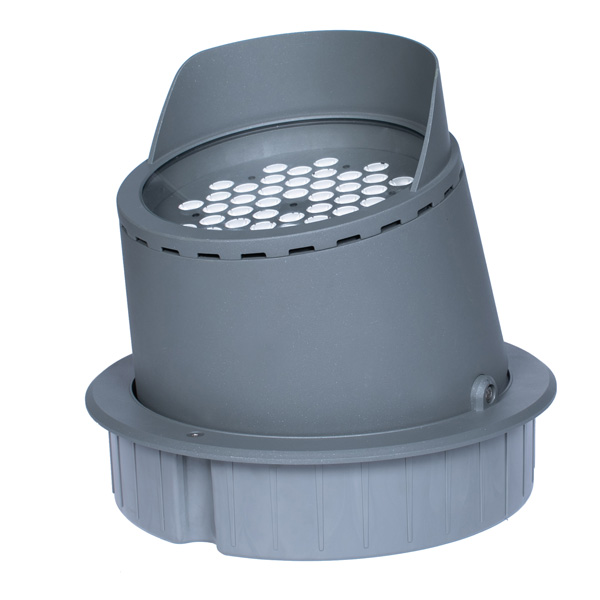
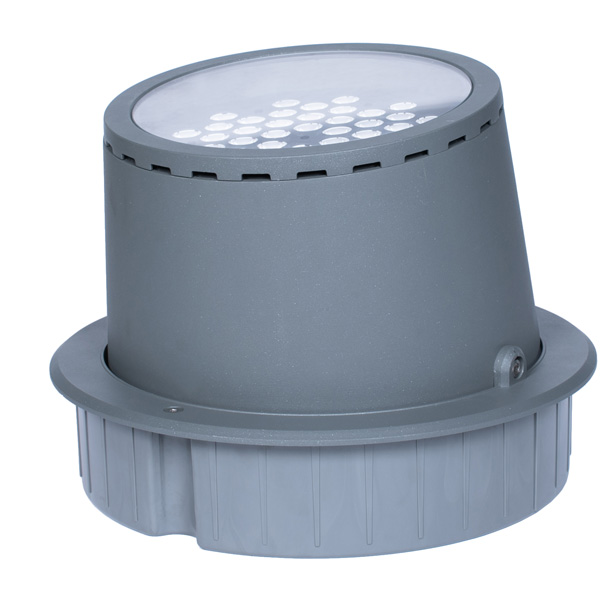
Compare both approaches when the same elevation needs vertical emphasis, glare control and a clean daytime appearance. Linear wall-wash fixtures help create continuous light along a wall, while recessed in-ground uplights keep equipment low and can frame columns, tree pits and entrance edges.
| Planning point | Wall-wash path | Recessed path |
| Best visual result | Longer and more even vertical emphasis | Stronger accents from ground level |
| Common placement | Wall face, cove, ledge or linear mounting zone | Paving, planter edge, tree pit or plaza band |
| Daytime appearance | Visible linear element if surface mounted | Low-profile detail after installation |
| Main coordination item | Mounting line, cable route and aiming direction | Drainage, cut-out, load surface and glare shield |
How does this page fit the LM1 in-ground-light category?
The page stays inside the LM1 path because buyers often begin from in-ground-light searches, then compare whether a recessed uplight or a linear wall-wash fixture better solves the facade task. It should guide selection without claiming that every project receives the same protection grade, color package or controller setup.
| Buyer intent | Recommended next check | Reason |
| Facade base lighting | Review wall-wash direction and beam width | The wall surface needs even vertical coverage |
| Entrance and plaza edges | Review recessed uplight layout | The fixture can stay below the walking surface |
| Tree and column accents | Review aiming and anti-glare parts | The target is vertical but close to people |
| Mixed facade scenes | Use both methods in one drawing | One approach may not solve every zone |
What source facts are safe to use here?
Safe public wording includes wall-wash, linear wall-mounted lighting, in-ground lighting, facade washing, architectural accent, walkways, tree pits, entrances, plazas, hotels, parks and project selection. Exact power, color package, control method, protection target and document set should remain buyer-confirmed unless a current exact datasheet is supplied for the final model.
| Source-backed topic | How to write it on the page |
| Wall washers and linear lighting | Use as product-family and application language |
| In-ground lights | Use as category and installation-language context |
| Facade, plaza, entrance and tree-pit scenes | Use as application examples |
| Color and control choices | Describe as project configuration inputs |
| Protection target and project files | Describe as confirmation items before quotation |
Which details should be confirmed before quotation?
Before quotation, confirm the target surface, mounting position, available cable route, beam direction, glare-control expectation, driver location, drainage condition, power plan, color preference, control method and drawing package. These checks prevent a route label or old page title from becoming an unsupported specification.
| Confirmation item | Question for the buyer | Why it matters |
| Mounting position | Will the fixture sit in the ground, on the wall, or on a ledge? | The mounting detail changes housing, bracket and cable planning |
| Lighting effect | Is the goal even wall washing or focused accent? | The beam and spacing plan are different |
| Surface condition | Is the target wall smooth, textured, stone, glass or planting edge? | Surface reflectance changes the visual result |
| Maintenance access | Can the team reach the fixture after installation? | Access affects driver and cable layout |
| Project files | Are elevation drawings and site photos available? | Layout decisions need real geometry |
How should designers choose between linear wall-wash and recessed uplight layouts?
Start from the visual effect. If the goal is an even vertical band across a long wall, linear wall-wash lighting is usually the first study. If the goal is a cleaner ground-level detail with stronger accents on columns, trees or facade rhythm, recessed uplights may be better. Large sites often combine both.
| Design goal | Better first study | Coordination note |
| Continuous wall brightness | Linear wall-wash layout | Check spacing, aiming and cable line |
| Hidden daytime hardware | Recessed uplight layout | Check cut-out, drainage and glare control |
| Column rhythm | Recessed accent layout | Check viewing angle and pedestrian comfort |
| Facade outline | Mixed layout | Use drawings to separate zones |
What internal pages help the buyer continue safely?
Use the LED in-ground lights category for recessed family comparison, the wall-light category for vertical-mount options, the in-ground facade guide for site planning, and the beam-angle guide for optical planning. For datasheets and exact project inputs, use the download center and contact page.
| Need | Safe internal path |
| In-ground category comparison | LED in-ground lights |
| Wall-mounted lighting comparison | LED wall lights |
| Facade and in-ground planning | In-ground facade selection guide |
| Wall-wash and in-ground coordination | In-ground and wall-wash planning guide |
| Beam planning | Beam-angle guide |
| Project documents and inquiry | Download center and contact |
Can this page be used as a fixed product specification?
No. It should be used as a planning and selection page. The final model, power level, beam, color output, control method, housing detail, protection target and project document set should be confirmed against the current customer file package and site requirements before public quoting or specification work.
