

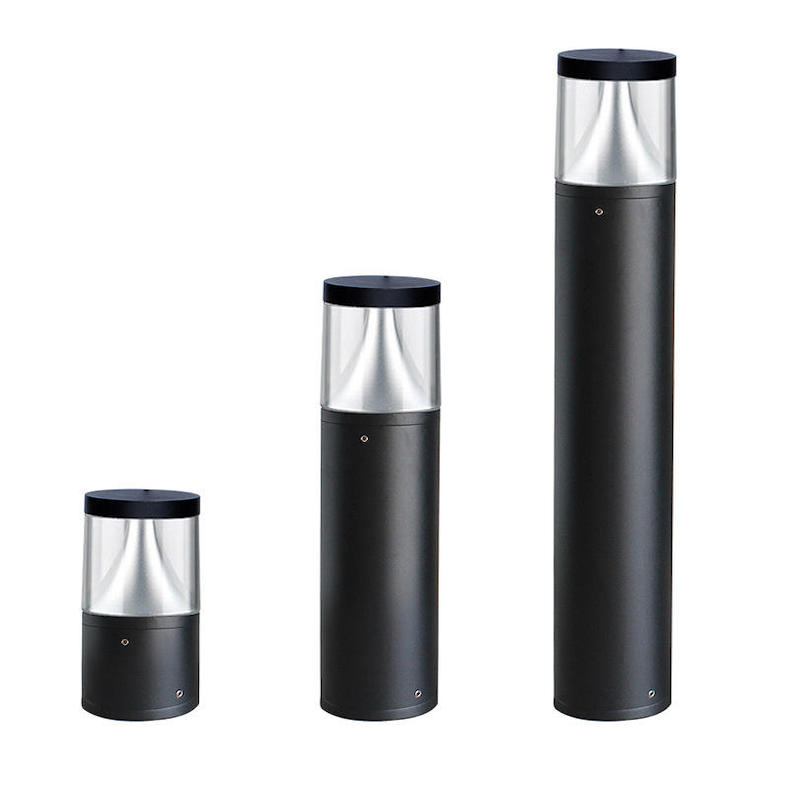
Quick answer: Consistent outdoor lighting product families are easier to plan when each project zone has a shared record for fixture family, series direction, mounting note, beam note, finish direction, quantity and file reference. This keeps catalog comparison and project review organized without turning public copy into unsupported product promises.
Radiant Honor customer materials support a scene-first approach, one-stop outdoor lighting pairing and family paths across compact flood and spot, high-power flood, in-ground, garden spike, bollard, linear and wall-light categories. This page turns those source-backed themes into a buyer checklist.
What source-backed facts can this product-family guide use?
The source boundary supports product-family planning, scene separation, buyer inputs and file records. Exact project choices remain tied to buyer-confirmed documents and current product files.
| Source-backed topic | What the material supports | How this guide uses it |
|---|---|---|
| Buyer need first | Customer notes say the product should be matched to what the buyer actually needs. | Start with scene, project zone and fixture family before model comparison. |
| Scene separation | Customer notes list villas, plazas, parks, hotels, commercial buildings and bridges. | Keep each area in a separate family-planning record. |
| One-stop pairing | Customer notes say foreign buyers may need help pairing different outdoor lighting types. | Use a category matrix instead of a disconnected item list. |
| Family paths | Customer notes list compact flood and spot, high-power flood, in-ground, garden spike, bollard, linear and wall-light paths. | Map every zone to a family path before final selection. |
| Series direction | Customer notes mention MA, Z, S, T, R and V as important family directions. | Use family names as planning paths, not as broad public specs. |
| Technical inputs | Customer notes mention color temperature, voltage, beam angle, control method, appearance color, surface treatment and quantity. | Treat these as buyer-confirmed inputs for the project file. |
Which outdoor lighting family paths should be coordinated?
Consistent planning starts by naming the fixture-family path before comparing individual models. This helps buyers see how one project zone relates to another.
| Family path | Common planning context | Consistency note |
|---|---|---|
| Compact flood and spot path | Small accent points, garden features and compact architectural details. | Use when scale, body size and aiming position need a matched family. |
| High-power flood path | Large surfaces, public areas and longer-distance project review. | Use as a category path; exact model details need the buyer file. |
| In-ground path | Entrances, tree pits, ground accents and walkway edges. | Connect product choice to recessed position and target surface. |
| Garden spike path | Plants, lawns, trees and flexible landscape aiming points. | Record spike position, viewing side and target feature. |
| Bollard path | Paths, courtyards and landscape orientation lines. | Use when body rhythm and mounting height need consistency. |
| Linear and wall path | Wall surfaces, facade lines and architectural edges. | Use when a line or wall effect should match other fixtures. |
What should a family-planning record include?
A useful record does not need to be long. It needs the same fields for each zone, so later reviewers do not rebuild the context from memory.
| Record field | What to write | Why it matters |
|---|---|---|
| Project zone | Villa entrance, park node, hotel courtyard, bridge surface or facade section. | Prevents one page from mixing unrelated areas. |
| Fixture family | The category path under review for the zone. | Keeps the buyer comparison organized. |
| Series direction | MA, Z, S, T, R, V or another buyer-confirmed family name. | Keeps appearance and project notes aligned. |
| Mounting note | Ground, wall, pole, bracket, recessed point or base relation. | Connects the family to the real site. |
| Beam note | Target distance, surface size and viewing side. | Explains why one family path is under review. |
| Appearance note | Body style, finish direction and surface treatment input. | Keeps the visual family consistent. |
| Technical inputs | Color temperature, voltage, control method and quantity as buyer inputs. | Keeps exact details tied to the project file. |
| File reference | Marked photo, drawing version, catalog page or sample comment. | Allows later reviewers to trace the same assumption. |
How can product families map to project scenes?
Customer materials support scene-based selection. The matrix below keeps the scene, fixture family and review note in one extractable format.
| Project scene | Likely family path to review | Planning note |
|---|---|---|
| Villa or courtyard | Compact accent, in-ground, garden spike or bollard path. | Use a consistent body language across entrance, planting and path zones. |
| Park or plaza | Garden spike, bollard, pole-mounted or high-output flood path. | Separate orientation lighting from feature lighting. |
| Hotel outdoor area | Wall, linear, in-ground, compact spot and bollard paths. | Keep guest-facing areas visually coordinated. |
| Commercial building | Wall, linear, compact spot and flood paths. | Match facade rhythm, sign focus and entrance emphasis. |
| Bridge or public structure | Flood, wall and linear paths. | Record surface scale and viewing distance before exact model review. |
| Mixed landscape plan | One record per zone, then a shared family summary. | Avoid a mixed list that loses appearance consistency. |
What makes a family plan consistent?
Consistency is not only about wattage. It also depends on body form, mounting logic, beam planning, finish direction, quantity by zone and file control.
| Consistency point | What to compare | Why it helps |
|---|---|---|
| Body form | Review whether related fixtures share a clear family direction. | Useful for catalog and project presentation. |
| Mounting logic | Check whether fixture and accessory paths match the same site note. | Reduces confusion between product and installation review. |
| Beam planning | Keep target distance and surface size in the same record. | Makes product comparison easier for buyers. |
| Finish direction | Record color and surface treatment as buyer inputs. | Keeps appearance notes consistent across zones. |
| Quantity by zone | Record count by area instead of a single total. | Supports later quote and file review without overclaiming public terms. |
| Review file | Tie family decision to marked photos, drawings or catalog pages. | Lets another reviewer understand the same reason. |
What mistakes make product families look disconnected?
Most confusion comes from comparing isolated models before the buyer record is clear. The safer path is to align scene and family first.
| Mistake | Why it causes confusion | Safer review method |
|---|---|---|
| Only matching wattage | Different fixture bodies can make one project look fragmented. | Compare family path, mounting and visual role together. |
| Only using old product titles | Old titles can contain terms that are not the right public proof. | Use buyer files and current source-backed category paths. |
| Mixing all links into one list | Risky anchor text can expose unsupported words in visible copy. | Use neutral labels and category-level references. |
| Skipping accessories | A bracket, base or glare-control part may affect the actual family plan. | Record accessory role with the fixture family. |
| Treating samples as isolated | A sample comment can lose context if it is separate from the zone record. | Use the same family, mounting and beam note in sample review. |
Which category pages support family comparison?
Use category pages as neutral reference paths after the buyer record is clear. Visible labels stay neutral even when legacy URLs contain older wording.
| Reference path | When to use it | Link |
|---|---|---|
| Category overview | Use after the project zone and family path are clear. | product range |
| In-ground path | Use for recessed and ground-level accent planning. | in-ground light category |
| Garden spike path | Use for planting, lawn and flexible aiming points. | garden spike category |
| Wall and linear path | Use for facade, wall and line-effect review. | wall and linear category |
| Compact spot path | Use for small outdoor accent review. | compact spot category |
| High-output path | Use for large-area planning and longer-distance review. | high-output category |
| Bollard path | Use for path rhythm and landscape orientation review. | bollard category |
| Pole-mounted path | Use when mounting height is part of the project record. | pole-mounted category |
Which related guides help buyers keep the record clear?
These guides support the same buyer workflow: selection, technical inputs, early review, sample comments, beam planning and accessory planning.
| Related topic | When to use it | Reference page |
|---|---|---|
| Selection workflow | Use for broader outdoor lighting project decisions. | outdoor lighting selection guide |
| Quotation inputs | Use when project files need clearer technical fields. | technical confirmation guide |
| Early review | Use when repeated project comments need a shared record. | early confirmation guide |
| Sample path | Use when sample comments should stay tied to family decisions. | sample review guide |
| Beam planning | Use when target distance and visual spread need structure. | beam angle guide |
| Accessory planning | Use when glare-control or mounting parts affect the family plan. | accessory planning guide |
| Download files | Use when catalog comparison belongs in the buyer record. | download center |
How should public wording stay fact-safe?
The public page should describe the review framework and source-backed categories. Exact technical or commercial details should stay in buyer-confirmed files.
| Topic | Safe wording direction | Avoid |
|---|---|---|
| Outdoor condition | Ask the buyer to confirm the exact site and product file. | Do not turn old titles into fixed public specs. |
| Control method | Keep it as a buyer-confirmed input. | Do not name one method as the default. |
| Color plan | Record desired visual result or color-temperature input. | Do not publish color-output abbreviations as defaults. |
| Document needs | Keep document questions inside the buyer file. | Do not imply universal third-party status. |
| Commercial terms | Keep this page focused on product-family planning. | Do not add unsupported sales promises. |
| Component choices | Tie component wording to exact product files. | Do not publish brand or service-duration claims without direct support. |
Buyer questions about consistent outdoor lighting product families
Why do outdoor lighting product families need a planning record?
A planning record keeps scene, fixture family, mounting note, beam note, finish direction and file reference together, so buyers can compare related fixtures without mixing unrelated assumptions.
Can one family path cover every project zone?
No. A villa path, park path, hotel outdoor area and public structure may need different fixture families, but the record can keep their appearance and review logic aligned.
What should be confirmed before model comparison?
Confirm project zone, lighting role, family path, mounting note, beam note, finish direction, technical inputs and file reference before comparing exact models.
How should wattage ranges be used in public copy?
Use range wording only as a category direction when customer material supports it, and keep exact model details tied to the buyer file or current product document.
Where do accessories fit into product-family planning?
Accessories belong in the same record as the fixture family when mounting, glare control, aiming support or connection placement affects the project decision.
How can a buyer compare several families fairly?
Use the same fields for every family path: scene, mounting, beam note, finish direction, quantity by zone, accessory role and file reference.
When should sample comments be added?
Add sample comments after the family path and project-zone record are clear, so appearance and technical notes can be compared with the original assumption.
How can product-family wording stay fact-safe?
Describe the review framework and source-backed categories, then leave exact outdoor conditions, control method and commercial details to buyer-confirmed files.
Recommended product-family planning path
Use the same field set from first inquiry to sample review, so catalog comparison, technical review and project presentation stay aligned.
| Step | Purpose | Record |
|---|---|---|
| 1 | Separate the project into zones. | Villa entrance, park node, hotel courtyard or facade section. |
| 2 | Assign a fixture-family path to each zone. | In-ground, spike, wall, compact spot, flood, bollard or pole-mounted path. |
| 3 | Record visual and installation assumptions. | Mounting note, beam note, surface treatment, finish direction and viewing side. |
| 4 | Tie accessory questions to the same row. | Do this when support, aiming or glare-control parts influence the decision. |
| 5 | Keep file references attached. | Marked photo, drawing version, catalog page and sample comment. |
| 6 | Move to product comparison after the record is clear. | Use the product range and related planning guides for the next review step. |
