

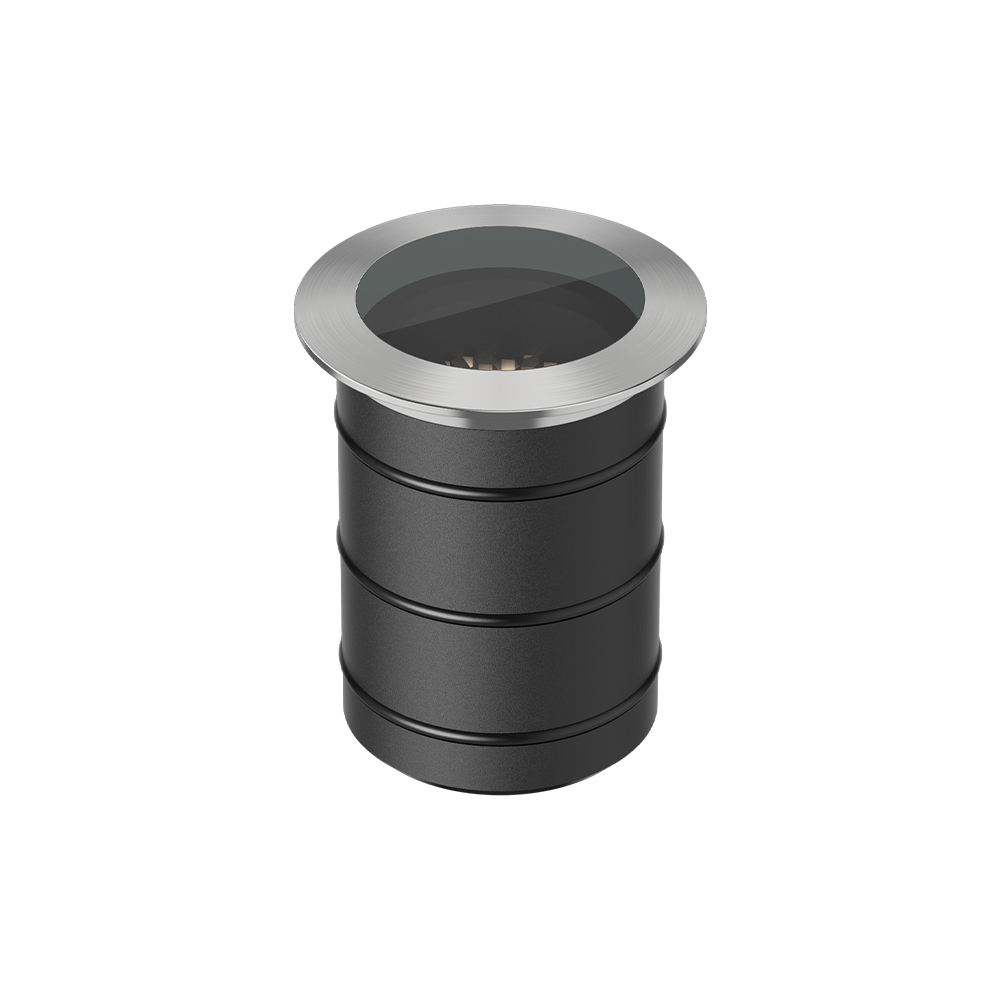
LED in-ground lights are selected for more than brightness. In facade, plaza and landscape projects, the useful question is where the fixture will sit, what surface it will illuminate, how people will view the beam, and how the installation can be serviced after the ground surface is finished.
This guide gives buyers, designers and contractors a source-safe way to compare recessed outdoor lighting for walkways, tree pits, entrances, plazas, hotel landscapes and architectural facades. It keeps exact model confirmation tied to drawings, site photos and buyer requirements, rather than treating one public specification as the answer for every project.
Related category paths: compare in-ground lights, compact spot and flood fixtures, garden spike lights, wall-mounted lighting, pole-mounted projection fixtures, outdoor lighting selection guide, catalog resources, and project discussion.
In-Ground Light Selection Matrix
What project scene is the in-ground light solving?
The same recessed fixture family may be used in several scenes, but the design target changes. Start with the scene before comparing product size or beam direction.
| Project scene | Lighting target | Useful recessed-light role | Inputs to confirm |
|---|---|---|---|
| Building facade | Show vertical form, columns or wall texture | Uplight from ground or paved edge | Wall height, setback distance, viewing angle and mounting access |
| Plaza or public node | Guide movement and highlight landscape features | Accent trees, sculptures, steps or entrance markers | Pedestrian flow, paving material, cable route and service position |
| Hotel entrance | Create arrival identity without glare toward guests | Frame walls, canopy edges, planting and signage zones | Drop-off route, window position, surface finish and guest sightline |
| Villa garden | Build low-level ambience and feature focus | Light trees, stone walls, pathways and courtyard features | Planting plan, walkway width, wall color and preferred color temperature |
| Tree pit or planter | Lift canopy texture and separate planting layers | Recessed uplight at the root or planter edge | Tree height, root zone, beam spread and maintenance access |
How should beam direction be chosen?
Beam choice is a design decision. A narrow beam can define a column, while a wider beam may serve a wall, tree canopy or plaza feature. Buyers should confirm the surface and viewing distance before model selection.
| Beam task | Typical use | Selection logic | Check before quoting |
|---|---|---|---|
| Narrow accent | Columns, sculpture, narrow tree trunks and signage | Focuses attention on a small target | Target width, aiming angle and nearby pedestrian view |
| Medium facade emphasis | Hotel entrances, textured walls and courtyard facades | Balances wall coverage with controlled brightness | Wall setback, surface color and repeated fixture spacing |
| Wide landscape wash | Low walls, planting beds and broader plaza features | Creates softer coverage across a wider surface | Mounting distance, adjacent fixtures and shadow control |
| Tree canopy uplight | Park, villa and hotel landscape trees | Pushes light upward through branches and leaves | Tree height, canopy density and fixture service access |
How should installation depth and surface condition be checked?
Recessed lights are part of the ground construction. The surrounding surface, sleeve position and drainage route can affect the result as much as the fixture body.
| Installation factor | Why it matters | Buyer evidence to provide | Decision impact |
|---|---|---|---|
| Ground material | Paving, stone, soil and decking require different installation details | Surface drawing or site photo | Body size, trim style and mounting detail |
| Installation depth | The sleeve and cable path need space before surface finishing | Section drawing or construction note | Model family and mounting accessory discussion |
| Water path | Outdoor recessed positions need a realistic way for water to leave the cavity | Drainage plan or installation note | Placement, sleeve detail and service access |
| Load condition | Walkways and plazas can expose fixtures to people, carts or maintenance tools | Traffic type and surface use | Glass, housing and placement confirmation |
| Maintenance access | Finished paving can make later service difficult | Access route and service plan from project owner | Fixture spacing, cable route and spare-position planning |
How do facades, plazas and landscapes differ?
A facade project usually cares about vertical rhythm, while a plaza cares about public movement and a landscape project cares about plants and feature objects. The project type should shape the fixture brief.
| Project type | Primary design concern | Useful planning approach | Common mistake to avoid |
|---|---|---|---|
| Facade | Wall texture, vertical scale and long-view recognition | Map fixture positions to columns, entrances, material changes and viewing distance | Choosing a beam before checking wall distance |
| Plaza | Pedestrian orientation and feature emphasis | Separate route guidance from sculpture, tree and entrance accents | Using the same brightness target for every area |
| Hotel landscape | Guest comfort and brand atmosphere | Control glare near windows, seating zones and drop-off areas | Ignoring guest sightlines from low viewing angles |
| Villa garden | Soft ambience and object-level focus | Layer path guidance, tree accent and wall texture in a quiet hierarchy | Over-lighting the garden with too many strong points |
| Commercial entrance | Arrival clarity and brand visibility | Coordinate wall, ground and signage accent positions | Letting signage lighting conflict with pathway comfort |
Which buyer inputs make model selection faster?
Accurate selection becomes easier when the buyer shares the project environment early. A short brief helps the supplier compare model paths without inventing assumptions.
| Buyer input | Useful detail | Why it helps |
|---|---|---|
| Scene and target surface | Facade, path, tree, plaza, entrance, planter or wall | Connects the lighting goal to the right recessed-light role |
| Drawing or marked photo | Fixture position, target height and cable path | Reduces uncertainty before product-family comparison |
| Ground construction | Paving type, soil area, sleeve depth and drainage notes | Prevents mismatches between fixture body and installation detail |
| Beam and color plan | Preferred beam effect and color temperature | Guides lens, output and driver discussion |
| Control method | Static operation or project-level control requirement | Clarifies wiring and driver expectations without assuming a default |
| Document needs | Requested drawings, product files or approval paperwork | Sets the correct quotation and support path |
| Finish preference | Visible trim color and surface treatment expectations | Helps the fixture blend with stone, paving or facade material |
How should in-ground lighting be compared with other fixture families?
In-ground lighting is not always the only answer. Sometimes a wall light, spike light or pole-mounted fixture gives cleaner installation or easier maintenance.
| Lighting need | In-ground option | Alternative family | When to compare both |
|---|---|---|---|
| Tree accent | Recessed uplight near tree pit | Garden spike light | When soil layout may change after planting |
| Facade texture | Ground uplight along wall base | Wall-mounted lighting or linear wall-wash planning | When ground construction has limited depth or service access |
| Broad plaza view | Accent recessed points around features | Pole-mounted projection fixture | When the area needs wider throw from a higher position |
| Villa path guidance | Small recessed markers or uplights | Bollard and path lights | When users need visible fixture rhythm along a path |
| Signage or sculpture focus | Recessed spot at the base | Compact spot fixture | When aiming needs to be adjusted after installation |
What should be checked before final approval?
Before final approval, check the installation and visual result as a system. This avoids treating the recessed fixture as a catalog item without site context.
| Approval check | Question to answer | Evidence to review |
|---|---|---|
| Visual direction | Does the beam hit the intended surface? | Marked elevation, rendering, mockup photo or aiming note |
| Glare comfort | Will viewers see the light source directly from normal paths? | Pedestrian sightline, seating area and window position |
| Ground detail | Can the fixture fit the construction layer? | Sleeve size, cable route, surface section and drainage note |
| Service access | Can the fixture be reached after paving or landscaping is finished? | Maintenance plan, removable trim detail and spare cable route |
| Document package | Are the needed files clear before order discussion? | Model path, drawings, finish, color plan, control method and buyer document list |
How can buyers move from guide to quotation?
To move from guide to quotation, send the scene, drawings or photos, installation surface, desired beam effect, color plan, control method and requested document list. Radiant Honor can then compare suitable in-ground light paths and coordinate related outdoor fixture families for the same project.
| Next step | Buyer action | Helpful link |
|---|---|---|
| Compare recessed families | Review the in-ground light category and shortlist target sizes | In-ground lights |
| Compare scene planning | Review how outdoor fixture families map to villas, parks, hotels and facades | Outdoor lighting selection guide |
| Check project files | Prepare catalog and drawing requests before quotation | Catalog resources |
| Discuss project brief | Share drawings, photos, effect goals and document needs | Project discussion |
Use this guide as a decision framework, not as a fixed public specification sheet. Exact model choice should follow the project scene, installation surface, beam target, environmental exposure and buyer-confirmed document needs.
