
Products Description
Quick Answer
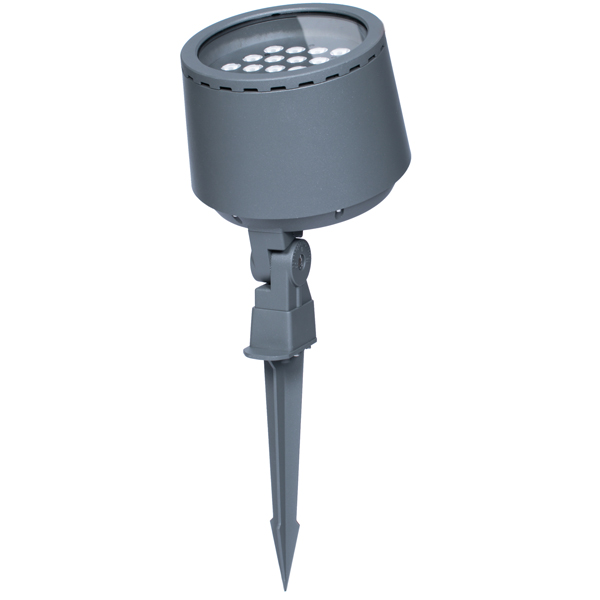
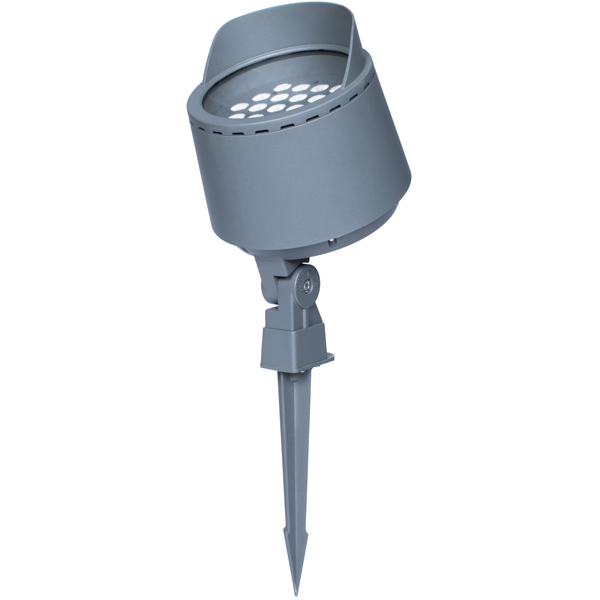
A 60W outdoor spike light fits projects that need stronger ground-mounted accent lighting for trees, sculptures, planting beds, garden walls, facade details and landscape features. For buyers searching for a spike light outdoor solution, the safest selection path is to confirm the target distance, object size, beam effect, mounting ground, glare direction and project file requirements before treating the page as a fixed datasheet.
Source-Safe Product Positioning
This page is written as a selection guide for the existing 60W outdoor spike light route. Customer materials support spotlights and floodlights in the 6W-60W range with spike or wall-mounted planning for trees, sculptures and landscape features. Final optical, color, control, file and outdoor-condition details should be confirmed for the selected project version.
| Planning point | Fact-safe guidance | Buyer action |
|---|---|---|
| Product role | Higher-output spike-mounted landscape spotlight for ground-positioned projection. | Use when a compact mini spike light is not strong enough for the target. |
| Supported scene logic | Landscape features, trees, sculptures, garden walls, planting areas and facade details. | Share site photos and mark the target object for each fixture zone. |
| Selection method | Choose by distance, beam spread, aiming and glare direction, not by wattage alone. | Confirm target width and viewing direction before fixture repetition. |
| Final details | Optical, color, control and file items depend on the confirmed project version. | Request the needed drawings or project files only after the configuration is narrowed. |
When A 60W Outdoor Spike Light Makes Sense
| Use case | Why this wattage class may fit | Selection caution |
|---|---|---|
| Medium tree accent | Useful when the fixture sits farther from the trunk or needs to reach a taller canopy. | Check whether the beam creates a hard hot spot at the base. |
| Sculpture or landscape feature | Can provide stronger emphasis for a focal object in a garden or public landscape. | Match beam spread to the object width and visitor viewpoint. |
| Facade detail from ground | Can support short-to-medium throw highlighting for columns, textured walls or entries. | Avoid aiming directly toward windows, seating or approach paths. |
| Planting-bed depth | Can add depth where lower-output fixtures disappear behind foliage or distance. | Plan for plant growth and seasonal trimming access. |
| Project comparison | Helps compare stronger spike lighting with mini spike, square spike and wall-mounted options. | Do not use one fixture class for every lighting layer. |
Beam And Placement Matrix
Beam spread and placement distance decide whether the result feels like a controlled highlight or an uncomfortable bright spot. Start with the target shape, then decide whether the project needs a tighter accent or a softer wash.
| Target shape | Beam planning logic | Placement check |
|---|---|---|
| Tall narrow tree | A more focused beam can carry vertical emphasis without flooding the surrounding bed. | Check trunk brightness and canopy reach from the main view. |
| Wide shrub or low planting | A softer spread may look calmer than a tight pool of light. | Check edge spill onto walking routes and seating areas. |
| Sculpture or sign | Match the beam to the object width and the viewing distance. | Test whether one aiming point is enough or cross-lighting is needed. |
| Facade surface | Use angled placement to reveal texture only where that texture should be visible. | Confirm that shadows do not distort doors, windows or signs. |
| Mixed landscape zone | Separate accent, path, wall and ambient layers before assigning fixtures. | Group fixtures by task so the same beam is not repeated everywhere. |
Mounting And Site Checks
| Check item | What to confirm | Why it matters |
|---|---|---|
| Ground condition | Soil firmness, slope, planting depth and drainage direction. | The spike position must stay stable after aiming and maintenance. |
| Fixture exposure | Whether the head is visible from seating, walkways, windows or entrances. | Strong landscape accents should reveal the target, not the light source. |
| Cable route | Route, connector position, service access and hardscape crossings. | Early route planning reduces field changes after planting or paving. |
| Aiming access | Whether installers can adjust the head after the fixture is placed. | Small aiming changes can change glare, shadow and target coverage. |
| Plant growth | Expected plant height, trimming cycle and seasonal leaf density. | The lighting effect should still work after the landscape matures. |
Glare-Control Checklist
Glare control should be decided before the final fixture list is approved. A stronger spike light can be useful, but only when the beam is aimed and shielded around real viewer positions.
| Risk | Common cause | Safer planning move |
|---|---|---|
| Visible bright point | The fixture head is exposed from a common view. | Move the fixture, lower the aiming line or confirm available shielding. |
| Harsh tree base | The beam is too tight or too close to the trunk. | Increase distance, adjust aim or soften the beam effect. |
| Uneven facade patch | The beam and wall width do not match. | Use a better spread or split the effect across multiple positions. |
| Path discomfort | An accent fixture spills into the walking direction. | Separate path guidance from landscape accent lighting. |
| Flat-looking feature | The light is aimed straight from the front. | Try side aiming or crossed aiming for more depth. |
Buyer Inputs Before Selection
| Input | Useful detail | What it helps decide |
|---|---|---|
| Site photos | Day view plus the main night-view direction. | Fixture position, glare risk and target hierarchy. |
| Target distance | Approximate distance from fixture to object or wall. | Beam spread and output class. |
| Target size | Height, width, canopy shape or surface texture. | Whether one fixture is enough or a layered approach is needed. |
| Mounting zone | Soil, planter, wall base, hardscape joint or planting bed. | Spike stability, cable route and maintenance access. |
| Project file needs | Drawing, product reference, photometric request or project review notes. | Which confirmed version should be prepared for review. |
Compare Nearby Spike And Spotlight Options
| Option | When to compare | Related path |
|---|---|---|
| 60W outdoor spike light | When a stronger ground-mounted beam is needed for trees, sculptures or facade details. | Current page |
| 9W square garden spike light | When the target is closer, smaller or more glare-sensitive. | 9W square garden spike guide |
| 24W square garden spike page | When the project needs a middle option before moving to stronger projection. | 24W square garden spike page |
| 36W square garden spike page | When a stronger square-head spike option needs comparison. | 36W square garden spike page |
| Compact square spotlight guide | When the site needs a smaller accent fixture or wall-adjacent reference. | Compact square spotlight guide |
Common Selection Mistakes
| Mistake | Why it causes rework | Better check |
|---|---|---|
| Choosing by wattage first | The same wattage can look too sharp, too broad or too bright depending on beam and distance. | Start from target size, throw distance and viewing angle. |
| Repeating one beam everywhere | Trees, sculptures, walls and paths need different effects. | Group the plan by lighting task before selecting quantities. |
| Ignoring viewer positions | A good highlight can still be uncomfortable from a seat or window. | Mark the main view directions on the layout. |
| Forgetting cable access | Ground-mounted fixtures can become difficult to service after planting. | Confirm route and maintenance access early. |
| Requesting files too late | Project files may depend on the final configuration. | List file needs during selection, before final review. |
Related Selection Pages
- Garden spike light category for nearby spike-mounted landscape options.
- Beam angle guide for matching beam spread to target shape.
- Compact flood and spotlight category for smaller accent comparisons.
- Landscape spotlight category for broader project planning.
- Download center for available project files.
- Contact Radiant Honor to confirm the selected configuration.
FAQ
What is a 60W outdoor spike light used for?
It is used for stronger ground-mounted accent lighting where the fixture needs to project toward trees, sculptures, garden walls, facade details or landscape features from a soil or planting position.
When should this page be used instead of a mini spike light?
Use this page when the target is larger, farther away or visually important enough to need a stronger projection class. For close and glare-sensitive features, compare lower-output spike options first.
How should beam planning start?
Start with target height, target width, throw distance and viewing direction. Then choose the beam effect that highlights the object without exposing the light source to viewers.
What site details should buyers send?
Send site photos, target distance, target size, mounting zone, viewing direction, cable-route notes and the project files needed for review.
Can one 60W spike light handle every outdoor area?
No. Stronger spike lighting should be assigned to focal targets. Path guidance, low planting, wall grazing and ambient layers may need different fixture classes or beam effects.
How can glare be reduced before selection?
Check viewer positions, shift the fixture away from direct sight lines, adjust the aiming direction and confirm whether a softer beam or shielding option is more suitable.
Which details still need final project confirmation?
Confirm beam, color, control, outdoor-condition target, file requirements and installation details for the selected project version before final use.
