
Products Description
Quick Answer for Compact Square Spotlight Selection
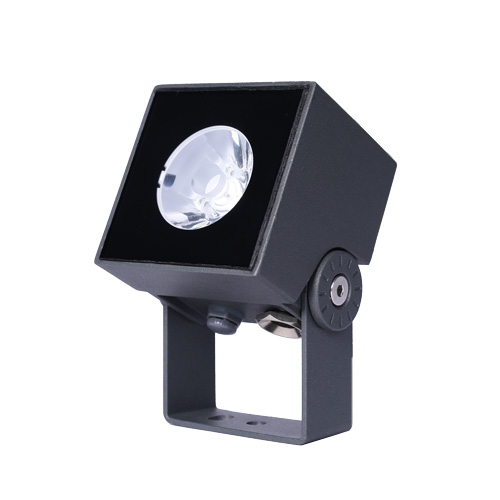
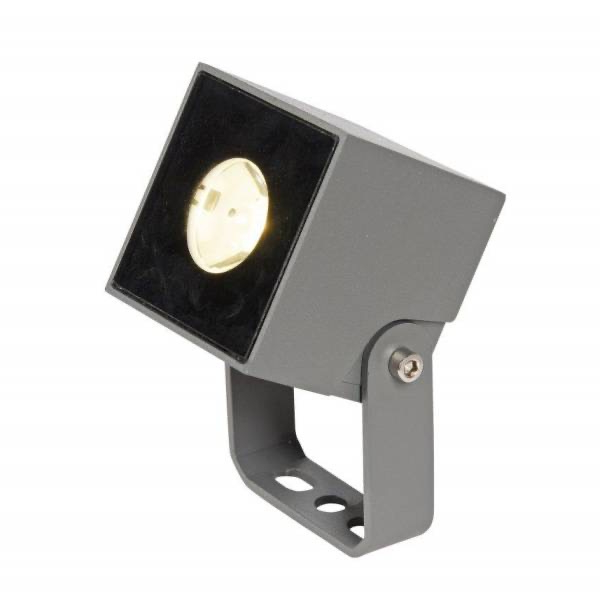
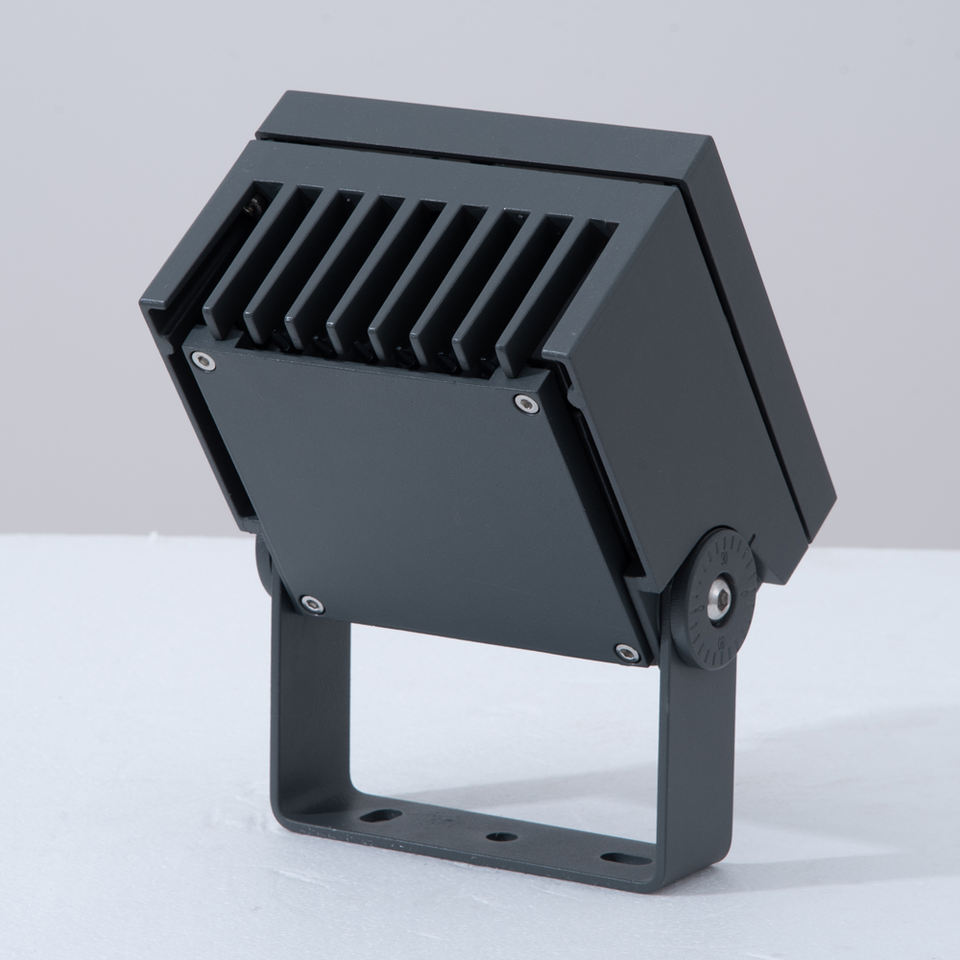
3W square LED spotlight is a compact outdoor accent reference for garden walls, courtyard details, path edges, steps, signs, small facade accents, and landscape features where a small square form factor is preferred over a larger flood light. Use this page as a project-selection guide: final beam, mounting method, finish, wiring, cable route, connector, outdoor protection target, and project file set should be confirmed before quotation.
The customer planning material supports a compact flood and spotlight category for 3W-36W small outdoor accent products. This update keeps the page at that verified category level and avoids converting route words into fixed product promises.
Source-Safe Product Positioning
| Item | Fact-safe reference | Planning meaning |
|---|---|---|
| Product role | Compact square outdoor spotlight reference | Use for small-area accent lighting where the visible fixture shape matters. |
| Power class | 3W page reference within compact flood and spot category | Best for close-range accents rather than long-distance projection. |
| Category fit | LED Compact Flood & Spot Lights | Belongs with low-power garden, facade, path, and detail lighting products. |
| Application range | Garden walls, courtyards, steps, paths, signs, small features | Confirm object size and viewing direction before selecting beam and mounting. |
| Final configuration | Project-confirmed | Confirm beam, wiring, finish, outdoor target, connector, and required files per order. |
Best-Fit Scenes
| Scene | Why a compact square spotlight can fit | Selection note |
|---|---|---|
| Garden wall detail | Small form factor can keep the light visually quiet while highlighting texture. | Check glare from seating areas and windows before fixing the angle. |
| Courtyard path edge | Compact accent lighting can guide the eye without turning the path into a bright runway. | Review spacing and beam overlap from the walking direction. |
| Small facade feature | A square body can align with modern facade geometry and hardscape lines. | Confirm whether the target needs a tight accent or a wider wash. |
| Sign or sculpture accent | Directional spotlighting helps isolate a feature from surrounding surfaces. | Match output, beam, and setback to the object size. |
| Step or transition marker | Low-power accents can mark an edge or level change when paired with careful aiming. | Make sure users see the surface, not a bright source. |
Beam and Placement Planning
| Decision | Use this when | What to check |
|---|---|---|
| Narrow accent | The target is a slim column, small sign, sculpture edge, or narrow garden detail. | Check hotspot strength and whether the beam misses the wider surface. |
| Medium accent | The target is a wall patch, planting feature, entry detail, or small facade bay. | Check beam overlap and whether one fitting or a paired layout is cleaner. |
| Wide soft accent | The target is low, broad, or close to a path. | Check spill toward seats, windows, and neighboring surfaces. |
| Close setback | The fitting sits near the wall, plant, step, or sign. | Review glare and visible source angle from normal walking height. |
| Longer setback | The fitting is placed farther from the object for softer coverage. | Review whether the compact power class still reaches the target cleanly. |
Mounting and Site Checks
| Site check | Why it matters | Buyer input needed |
|---|---|---|
| Fixing surface | Stone, concrete, soil edge, timber, and metal frames need different fixing details. | Send surface material and a close photo of the mounting zone. |
| Cable route | Compact fittings still need a clean path for power and service access. | Mark cable direction and any conduit or hidden route requirement. |
| Drainage condition | Outdoor fixtures near planting and hardscape may face standing water or splash zones. | Describe slope, paving joint, soil, planter, or wall-base condition. |
| Aiming direction | Small spotlights can look harsh if aimed toward the viewer. | Share the main viewing direction and nearby windows or seating. |
| Maintenance access | Small installations can be difficult to adjust after paving or planting is closed. | Confirm whether the fixture can be reached after installation. |
Glare-Control Checklist
| Question | Risk if ignored | Safer approach |
|---|---|---|
| Can people see the light source directly? | Small fittings can still create uncomfortable glare. | Review aiming, shielding, recessed position, or lower output. |
| Is the beam aimed across a path? | A bright source can distract walkers even if the target is lit. | Aim along or away from normal eye direction where possible. |
| Does the beam hit a reflective wall or sign? | Glossy materials can bounce light toward the viewer. | Test angle and beam spread before locking the mounting point. |
| Is the fixture close to seating? | Accent light near eye level can feel harsh during long use. | Use softer coverage and shielding around patio or courtyard seating. |
Buyer Inputs Before Quotation
| Input | Why it is needed | Example detail |
|---|---|---|
| Target object | Beam and placement depend on what must be highlighted. | Wall texture, plant, step, sign, sculpture, small facade bay, or path edge. |
| Fixture position | Setback changes beam width and glare risk. | Distance from target, height, and aiming direction. |
| Desired effect | Accent lighting can be sharp, balanced, or soft. | Focused detail, gentle wash, edge marker, or feature highlight. |
| Outdoor environment | Connector, cable exit, and protection target depend on site condition. | Rain exposure, irrigation, planter edge, paving joint, wall base, or covered area. |
| Control and color need | Control and color should be specified per project. | State simple switching, dimming, or a project-specific system requirement. |
| Project file need | Different buyers need different drawing and layout support. | Send required drawing, model, photometric, or quotation file expectations. |
Compact Spotlight Compared With Nearby Options
| Option | Use when | Selection note |
|---|---|---|
| 3W square spotlight | The project needs a compact square form for small accent areas. | Keep as a close-range selection reference unless a detailed project file is issued. |
| Mini spotlight with clip or clamp | The project needs a small adjustable attachment style. | Useful for signs, edges, and temporary or bracketed details. |
| Garden spike light | The fixture should be placed in soil, lawn, or planting areas. | Choose when the mounting method matters more than a square body. |
| Higher-output compact spotlight | The target is larger or farther away. | Step up only after checking beam, glare, and object size. |
| Flood-light accessory route | The project needs glare, mounting, or power-protection accessories. | Review accessory pages after fixture family and mounting method are known. |
Common Selection Mistakes
| Mistake | Why it hurts the result | Better check |
|---|---|---|
| Choosing by power only | A compact accent can fail if beam angle and target size do not match. | Start from object size, setback, and viewing direction. |
| Ignoring glare | Small lights can still shine into eyes when aimed poorly. | Check from paths, doors, windows, and seats. |
| Assuming the route name is the full datasheet | Route words do not prove final project configuration. | Confirm outdoor target, control, cable, finish, and files before quotation. |
| Skipping maintenance access | A hidden compact fixture can be hard to adjust after landscaping is finished. | Plan access before planting, paving, or wall-base work is closed. |
Related Selection Pages
- Compact flood and spot light category
- S Series garden accent lights
- Z Series compact landscape spot lights
- R Series outdoor projection family
- 24W square landscape spotlight
- 36W square landscape spotlight
- Beam angle guide
- Accessory planning guide
- Download center
- Contact Radiant Honor
FAQ
What is a 3W square LED spotlight best used for?
It is best treated as a compact accent fixture for small garden walls, courtyard paths, steps, signs, sculptures, and close-range facade details where a square form factor fits the design language.
Is this page a fixed datasheet?
No. It is a project-selection reference. Final beam, finish, cable route, connector, outdoor target, control requirement, and project files should be confirmed in the quotation or drawing set.
How should the beam be selected?
Start from the target size, setback, and viewer direction. A tighter beam can isolate a detail, while a wider beam can soften the effect on low or broad surfaces.
Why does glare matter for a small spotlight?
Compact fixtures can still create harsh glare if aimed toward paths, seats, doors, or windows. Review the view from real walking and sitting positions before fixing the angle.
When is a square body useful?
A square body can align with paving, wall panels, modern facades, and hardscape geometry when a round or spike-mounted fixture would look less integrated.
What information should a buyer send?
Send the target object, surface material, setback, desired effect, cable route, control need, viewing direction, and any drawing or file expectations before quotation.
Can this fixture be compared with higher-output spotlights?
Yes. Use this compact option for close-range accents, then compare higher-output spotlight families only when the target is larger, farther away, or needs broader coverage.
How should this compact spotlight be confirmed before final selection?
Confirm the target object, mounting surface, setback, viewing direction, cable route, outdoor protection target, finish, and required project files. Keep final values tied to the selected configuration rather than treating the category page as a fixed datasheet.
