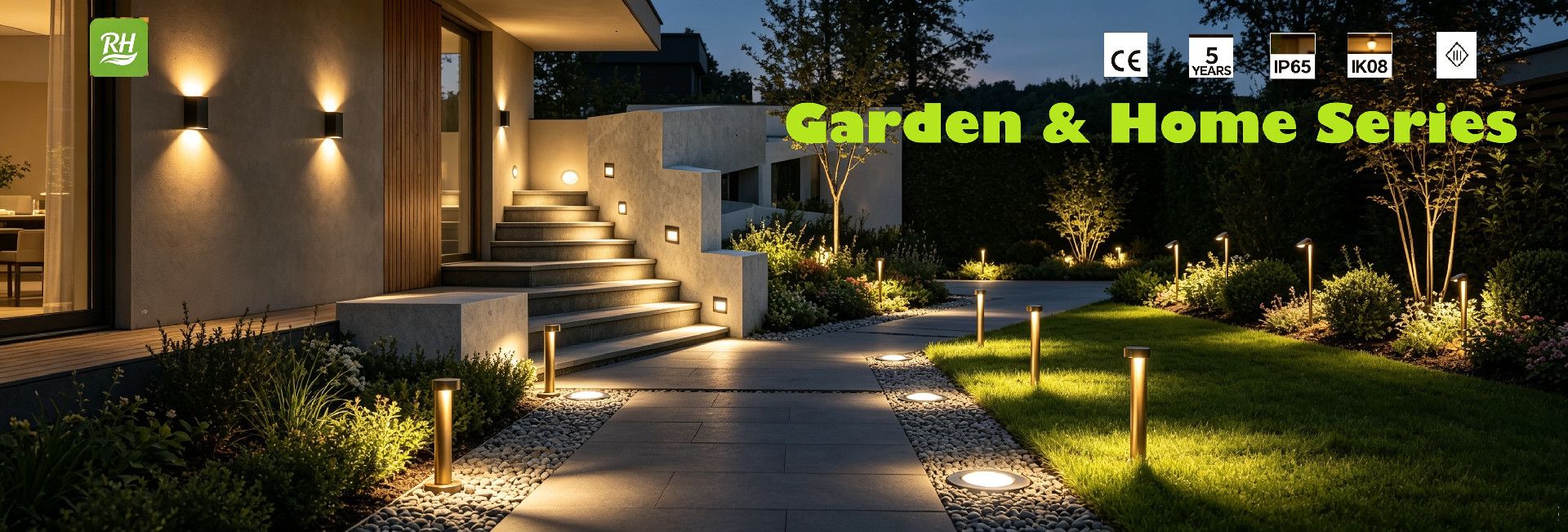
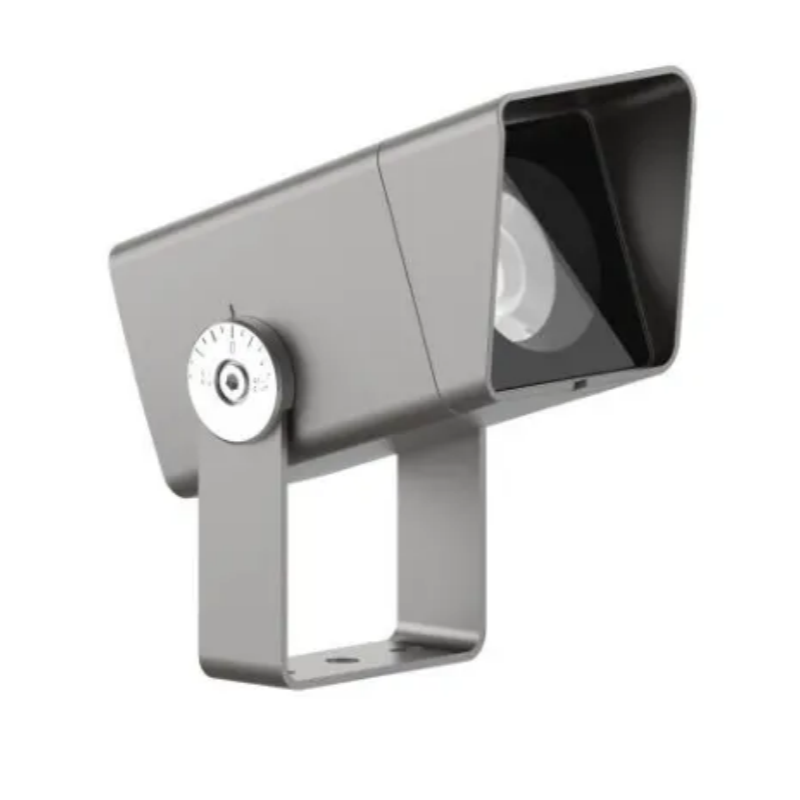
Z Series Compact Landscape Spot Lights for Project Selection
Z Series compact landscape spot lights sit in Radiant Honor's compact flood and spot light path for 10W-30W outdoor accent projects. Use this page to plan garden, facade, signage, entrance, courtyard, and commercial landscape lighting where a smaller fixture is preferred over a larger projection light.
The customer planning material supports Z Series as a compact product path inside the 3W-36W compact flood and spot light category. Final beam, mounting, color-output plan, controller method, protection target, finish, cable route, accessory fit, and project file set should be confirmed by model before quotation.
What Is The Z Series Best Used For?
| Use scene | Planning role | Buyer-side check |
|---|
| Garden and courtyard accents | Highlight planting edges, small trees, low walls, and entrance details. | Check aiming direction, glare risk, mounting point, and viewing distance. |
| Facade details | Use compact projection for columns, signs, textured walls, and architectural edges. | Check beam spread, surface material, bracket direction, and fixture visibility. |
| Commercial landscape | Support hotels, plazas, restaurants, and retail exteriors that need small-to-mid accent points. | Check cable route, maintenance access, finish, and project file needs. |
| Product-matrix bridge | Bridge small garden fixtures and larger flood light families in the selection workflow. | Check whether the target needs compact accent lighting or a higher-output family. |
How Should Buyers Compare The 10W-30W Range?
| Selection path | Typical fit | What to confirm |
|---|
| Lower end of the range | Close-range details, low walls, signs, garden edges, and smaller landscape features. | Target size, beam width, fixture spacing, and glare direction. |
| Middle of the range | Courtyard features, entrance zones, trees, columns, and medium facade details. | Mounting distance, surface color, finish, and cable access. |
| Upper end of the range | Larger accent points where compact fixtures are still preferred over high-power flood lights. | Projection distance, bracket strength, heat space, and project-file requirements. |
Which Details Should Be Confirmed Before Quotation?
| Confirmation item | Why it matters | Useful buyer input |
|---|
| Target object | Plants, stone, signs, painted walls, and metal details reflect light differently. | Photos, elevations, target size, and viewing distance. |
| Beam and aiming | Beam choice controls whether the result is a tight accent, feature beam, or softer coverage. | Mounting point, target height, beam preference, and glare-sensitive directions. |
| Outdoor protection target | Exposure changes by rain direction, drainage, cleaning method, and mounting surface. | Installation surface, drainage condition, and maintenance access. |
| Color-output plan | Static white scenes and color-scene projects need different wiring and control decisions. | Scene goal, cable route, zone plan, and commissioning expectation. |
| Accessory fit | Shielding, bases, brackets, and caps can change the final visual effect. | Fixture size, front trim need, mounting surface, and glare-control requirement. |
When Should Z Series Be Chosen Instead Of A Larger Flood Light?
Choose the Z Series path when the lighting task is a compact accent rather than a long-distance projection task. It is useful for closer targets, smaller fixture proportions, tighter architectural details, and projects where daytime appearance matters.
If the target is a large facade, tall structure, bridge, or broad public-space surface, compare a higher-output flood light family after confirming distance, target size, and viewing angle.
How Should Beam And Glare Be Planned?
| Question | Practical answer | Next action |
|---|
| Is the target narrow or broad? | Narrow targets usually need tighter aiming, while broader targets need softer coverage. | Mark target width and mounting distance on a drawing or photo. |
| Will pedestrians see the fixture directly? | Visible beams and exposed lens angles may create discomfort. | Check shield, cap, bracket angle, and fixture height before selection. |
| Is the fixture visible by day? | Compact fixtures still affect facade and landscape appearance. | Confirm finish, body direction, cable exit, and maintenance access. |
For broader planning logic, review the beam angle guide for facade and landscape lighting.
How Does Z Series Fit Into The Product Matrix?
What Should Be Checked On Site?
| Site factor | Why it matters | Fact-safe check |
|---|
| Mounting surface | Stone, soil, metal, concrete, and facade panels need different fixing decisions. | Confirm bracket, base, screw point, and cable route. |
| Outdoor exposure | Rain direction, drainage, and cleaning method affect fixture choice. | Confirm protection target and installation position from site photos. |
| Visual comfort | Small fixtures can still cause glare when aimed toward people or windows. | Confirm aiming, shield need, and viewing angle. |
| Future maintenance | Hidden or high positions can make service access and adjustment slower. | Check access space and cable-service route before final model choice. |
What Information Helps Radiant Honor Review The Project?
| Buyer input | Helpful detail | How it improves selection |
|---|
| Photos or drawings | Facade view, garden plan, or target-object image. | Helps match fixture size, beam path, and mounting position. |
| Scene priority | Garden accent, signage, entrance feature, facade detail, or commercial landscape effect. | Helps choose the right model path inside the compact range. |
| Mounting condition | Wall, ground, pole, bracket, prepared base, or planting area. | Helps check hardware, cable routing, and accessory fit. |
| Project-file needs | Datasheet, drawing, image reference, or comparison table. | Helps prepare a clearer buyer-side review package. |