

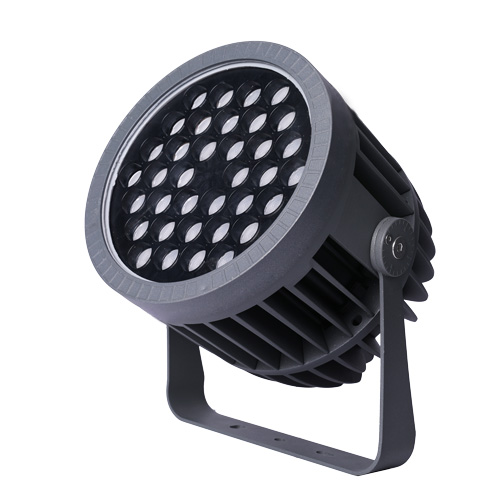
Quick answer: Beam angle is a buyer-confirmed planning input for facade and landscape lighting. It helps connect the target surface, mounting position, distance, fixture family and desired night effect. A useful beam-angle guide should explain how to compare concentrated, medium and broad distributions without turning any route, old title or unfinished project note into a fixed product promise.
For Radiant Honor buyers, beam angle belongs inside a wider outdoor lighting record. The same project may include villa paths, hotel courtyards, park trees, commercial facades, plaza surfaces and bridge-view areas. Each zone should have its own target, mounting and beam note before the exact fixture file is confirmed.
What source-backed facts can this beam angle guide use?
The safest public wording starts from verified customer materials. Those materials support beam angle as a technical parameter and support scene-based outdoor lighting selection, but they do not support turning every old product title into a confirmed public specification.
| Source-backed topic | What the customer material supports | How this page uses it |
|---|---|---|
| Beam angle as parameter | Customer notes list beam angle among the technical inputs a buyer should understand. | Use it as a planning input, not a universal public promise. |
| Common planning values | Customer notes mention examples such as 5, 8, 10, 20 and 60 degrees. | Use values to explain comparison logic; confirm the exact fixture file for a real project. |
| Scene-first selection | Customer notes separate villas, parks, hotels, commercial buildings, bridges and plazas. | Discuss the scene before discussing a model path. |
| Fixture-family selection | Customer notes connect outdoor lighting to in-ground, spike, wall, compact spot, flood, bollard and pole-mounted paths. | Use family paths as references rather than forcing one fixture into every zone. |
| Buyer-confirmed inputs | Customer notes include color temperature, voltage, beam angle, control method, appearance color, surface treatment and quantity as inputs. | Keep those items in the buyer record until the project file confirms details. |
What does beam angle change in facade and landscape lighting?
Beam angle changes how concentrated the light feels, how wide the visible area becomes and how clearly the target reads from a normal viewing point. The right review begins with the role of the zone, not with a loose number.
| Lighting role | Beam planning logic | Record before comparison |
|---|---|---|
| Vertical facade accent | A more concentrated beam can emphasize columns, edges or tall details. | Target height, distance, aiming point and fixture family. |
| Wall or surface wash | A broader spread can soften the surface and reduce visible hot spots. | Surface width, mounting distance and desired uniformity. |
| Tree or planting highlight | Different tree shapes need different spread and aiming direction. | Canopy shape, trunk position, viewing side and glare note. |
| Path or entry guidance | The beam should support orientation without overpowering the walking area. | Path width, fixture height and nearby viewing angle. |
| Plaza or public surface | Large visible areas need a record of coverage, distance and visual priority. | Surface size, observation point and fixture grouping. |
| Signage or entrance feature | A focused beam may keep attention on the intended element. | Target size, viewing distance and mounting constraint. |
How should buyers read concentrated, medium and broad beams?
A smaller spread usually creates stronger focus, while a broader spread usually softens coverage. The actual result still depends on target size, distance, mounting position, fixture family and surface character.
| Beam direction | Typical planning use | Fact-safe caution |
|---|---|---|
| Very concentrated beam | Useful when the target is small, tall, distant or needs strong visual separation. | Confirm target distance and aiming before treating it as the right answer. |
| Medium spread | Useful when a project needs both visible definition and practical coverage. | Compare beam effect with fixture spacing and surface size. |
| Broad spread | Useful when the target is close, wide or needs a softer surface result. | Check whether the visual result stays clear from normal viewing points. |
| Mixed beam plan | Useful when one project contains facade details, planting, paths and broader surfaces. | Record each zone separately so the same value is not copied everywhere. |
| Special small-angle review | Customer notes mention very small angle review as a special planning topic. | Keep this as a project-specific review item, not a default setting. |
Which outdoor scenes need separate beam review?
Customer materials describe outdoor lighting through scenes such as villas, parks, hotels, commercial buildings, bridges and plazas. Those scenes should not all share one beam assumption, because their visual roles and viewing distances are different.
| Scene | Common target areas | Beam review focus |
|---|---|---|
| Villa and private residence | Garden accents, path guidance, trees, facade details and small visual features. | Keep the lighting comfortable and scene-specific. |
| Park and public landscape | Trees, planting groups, walkways, plazas and public viewing areas. | Separate safety-oriented orientation from decorative accent. |
| Hotel exterior | Entrances, courtyards, facade details, terraces and guest-facing circulation. | Balance refined visual effect with practical review notes. |
| Commercial building facade | Columns, wall surfaces, signage, entrances and long-view architectural layers. | Record target height, surface size and viewing distance. |
| Bridge or large public area | Longer throw, larger surfaces and wider public viewpoints. | Use a zone record before discussing fixture quantity. |
| Garden or courtyard | Trees, sculptures, low walls, planting beds and soft night scenes. | Review beam spread together with glare and daytime fixture presence. |
Which fixture families should be compared with beam angle?
Beam angle should stay connected to the fixture family. In-ground, spike, wall, compact spot, flood, bollard and pole-mounted paths can all appear in outdoor projects, but each path has a different mounting and aiming logic.
| Fixture family path | Where beam angle matters | Neutral reference |
|---|---|---|
| In-ground light path | Uplighting, entry zones, tree pits, facade bases and ground-level features. | in-ground light category |
| Garden spike light path | Planting areas, trees, lawn edges and flexible aiming locations. | garden spike light category |
| Wall and linear path | Wall surfaces, facade lines, corridors and architectural outlines. | wall and linear light category |
| Compact spot path | Small accent areas, close-distance features and accessory-dependent layouts. | compact spot category |
| High-output flood path | Large surfaces, public spaces and long-view project areas. | high-power flood category |
| Bollard or pole path | Path orientation, landscape rhythm and mounting-height review. | bollard category / pole-mounted category |
What should be recorded before asking for beam recommendations?
A short project record makes beam discussion more useful. It helps a designer, buyer, contractor or factory reviewer understand the same target instead of guessing from a model name.
| Record field | What to prepare | Review question |
|---|---|---|
| Target surface | Wall, column, tree, path, sculpture, sign, plaza or planting area. | What exactly is the light meant to reveal? |
| Target size | Width, height, depth or visible zone size. | Is the spread matched to the real target? |
| Mounting position | Ground, spike, wall, bracket, pole or recessed position. | Can the fixture aim at the target cleanly? |
| Distance | Fixture-to-target distance and main viewing distance. | Does the beam remain useful from normal viewpoints? |
| Viewing angle | Where people will see the effect first. | Is the bright area helpful or distracting? |
| Glare note | Whether shielding, aiming or accessory review may be needed. | Can the viewer see the effect without discomfort? |
| File note | Drawing, photo, catalog page or sample comment. | Can another reviewer understand the same assumption? |
How can beam angle wording stay fact-safe?
Beam angle content can be helpful without overclaiming. Public copy should describe the selection method and the buyer information needed, while exact fixture details remain tied to confirmed product files and project notes.
| Topic | Safe public wording | Avoid |
|---|---|---|
| Protection planning | Describe the outdoor condition as a buyer input. | Do not turn an old title or route into a fixed public grade. |
| Control planning | Keep the control method as a project question. | Do not name one protocol as the default public answer. |
| Color planning | Record color temperature or color effect as a buyer input. | Do not present a default color-output mode. |
| Approval files | Ask for drawing, catalog page and sample comments when needed. | Do not imply universal third-party approvals for every fixture. |
| Commercial details | Keep commercial terms out of a technical guide unless supplied for this exact item. | Do not write public fulfillment or after-sales promises. |
| Component details | Keep component choices inside the confirmed project file. | Do not publish component-brand or service-life claims without exact source support. |
How should beam angle be reviewed with glare and appearance?
Beam angle is not only a technical number. It changes comfort, visual contrast, fixture visibility and the way the surface reads after dark. That is why beam planning should stay connected to glare and appearance review.
| Beam or mounting condition | Possible visual effect | Buyer review note |
|---|---|---|
| More concentrated beam | Can create strong contrast and longer throw. | Review glare, aiming point and surface brightness. |
| Medium spread | Can balance accent and coverage. | Review whether the target stays defined enough. |
| Broad spread | Can create softer coverage on close or wide surfaces. | Review whether the effect becomes too flat. |
| Low mounting | Can make glare more visible to people nearby. | Review shielding, tilt and viewing path. |
| High mounting | Can improve reach but may need clearer aiming records. | Review target height, distance and access for adjustment. |
Where should this guide connect next?
The best internal path is from scene selection to beam planning, then to product categories and files. This keeps the page useful for searchers while avoiding risky visible product-title claims.
| Related topic | When to use it | Reference page |
|---|---|---|
| Outdoor selection | Start here when the buyer is still mapping fixture families. | outdoor lighting selection guide |
| In-ground facade planning | Use when the question is about ground-level uplight and wall effect. | in-ground lighting guide |
| Wall-wash planning | Use when the project needs surface-wash comparison. | wall-wash planning guide |
| Accessory planning | Use when glare, bracket or mounting accessory questions appear. | accessory planning guide |
| Product category review | Use after the scene and beam record are clear. | product range |
Buyer questions about beam angle planning
What does beam angle mean in outdoor lighting?
Beam angle describes how tightly or broadly the light is distributed from the fixture. For buyers, it should be recorded together with target size, mounting position, distance and intended visual role.
Should buyers choose beam angle before choosing the fixture family?
No. The project scene and fixture family should be mapped first, then the beam angle can be compared against the real target and mounting condition.
When is a more concentrated beam useful?
It is useful when the target is smaller, taller, farther away or needs stronger visual separation from the surrounding area.
When is a broader beam useful?
It is useful when the target is close, wide or needs a softer surface result, such as a low wall, planting area, courtyard feature or broad facade surface.
Can one project use several beam angles?
Yes. Villas, parks, hotels and commercial facades often contain several zones, so each zone should keep its own beam record instead of copying one value across the whole project.
What information should a buyer send for beam review?
Send the target area, mounting position, distance, target size, preferred effect, viewing direction, photo or drawing reference and any glare concern.
How should beam angle connect with fixture quantity?
Fixture quantity should be reviewed after the target size, beam spread, spacing and visual result are clear. The beam record helps the discussion stay tied to the project scene.
How can beam angle wording stay fact-safe?
Keep beam angle as a project input until the exact fixture file is confirmed. Public guide pages should explain the decision method instead of making unsupported fixed claims.
Recommended beam-angle review path
For a practical inquiry, start with the project scene and the target surface. Then choose the fixture family path, record the mounting condition, compare beam spread and keep the final value inside the project file until it is confirmed.
| Step | Purpose | Link |
|---|---|---|
| 1 | Map the outdoor scene and fixture family path. | outdoor lighting selection guide |
| 2 | Review facade and landscape beam planning. | beam angle guide |
| 3 | Compare ground-level facade and landscape choices. | in-ground lighting guide |
| 4 | Review glare and accessory questions. | accessory planning guide |
| 5 | Move to product families and files. | product range / download center |
