
Products Description
Quick Answer for MA50 Project Selection
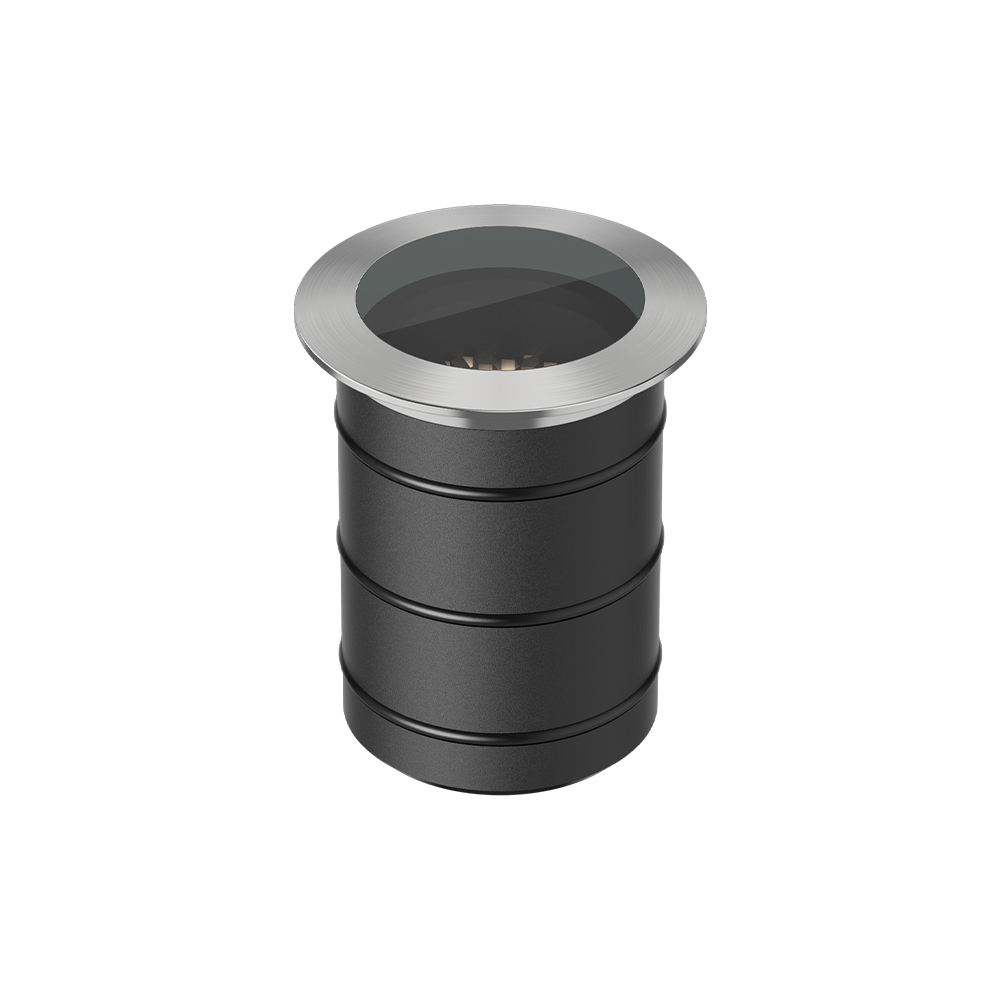
MA50 4-5W in-ground LED uplight is the compact MA Series choice for low-height facade bases, courtyard details, garden edges, column accents, small trees, steps, and plaza marker lighting where a recessed fixture needs controlled beam selection rather than high output. The customer source file places MA50 in the 4-5W group and lists MA50 5W with a phi50*95mm lamp size, phi46*130mm cut-out size, phi25*H15mm lens size, and 10/15/24/36/50/60 degree lens-angle options.
This page is written as a source-backed selection guide. Final body finish, wiring, outdoor protection target, panel style, anti-glare option, and control requirement should be checked against the project file before quotation.
Source-Backed MA50 Product Data
| Item | MA50 source-backed reference | How to use it |
|---|---|---|
| Product family | MA Series underground lights | Use for recessed uplight and ground-level accent planning. |
| Model / power group | MA-50 4-5W group; detailed section lists MA50 5W | Treat as compact-output selection, not a high-output facade washer. |
| Lamp size | phi50*95mm | Check visual scale, paving thickness, and service access before layout freeze. |
| Cut-out size | phi46*130mm | Coordinate sleeve, recess depth, drainage path, and cable route early. |
| Lens size | phi25*H15mm, containing COB framework | Use with beam-angle choice and glare review. |
| Lens angles | 10/15/24/36/50/60 degrees | Match beam width to object size, setback, and glare tolerance. |
| COB footprint | 13.35*13.35 / phi6mm listed in the source file | Keep final package detail in the project file if the buyer needs it. |
| Option families | Anti-glare and panel solution directions appear in the MA Series material | Select visual and glare-control options after mockup or drawing review. |
Best-Fit Scenes
| Scene | Why MA50 can fit | Selection note |
|---|---|---|
| Facade base accents | Compact body size helps keep the fixture discreet near walls and columns. | Use narrow or medium beams for vertical emphasis; avoid spill into windows. |
| Courtyard paths and garden edges | Low output can mark details without overpowering nearby planting or paving. | Confirm glare direction for seated areas and walking routes. |
| Small trees and sculptures | Beam-angle choices allow a tighter accent from close range. | Match beam to trunk width, crown shape, and viewing distance. |
| Plaza marker lighting | Recessed form keeps the daytime visual presence low. | Coordinate cut-out depth and water-management details before installation. |
Beam-Angle Selection
| Lens angle | Typical use direction | What to confirm |
|---|---|---|
| 10 degrees | Tight vertical accents, slim columns, narrow details | Check aiming, hotspot control, and whether the target is too wide. |
| 15 degrees | Focused uplighting for narrow architectural features | Confirm setback and glare at pedestrian eye level. |
| 24 degrees | Controlled accent for small trees, columns, and signage edges | Check whether one fixture covers the target or needs pairing. |
| 36 degrees | Balanced beam for general close-range architectural accents | Use when the project needs clarity without an overly tight beam. |
| 50 degrees | Softer coverage for lower walls and broader surfaces | Review brightness, spill, and fixture spacing. |
| 60 degrees | Wide, gentle coverage near short surfaces or low planting | Check whether a wider beam reduces drama or reaches unwanted areas. |
Cut-Out and Installation Planning
| Planning item | MA50 reference | Why it matters |
|---|---|---|
| Fixture body | phi50*95mm lamp size | Helps the installer judge recess volume and visible trim scale. |
| Opening | phi46*130mm cut-out size | Guides sleeve preparation and depth allowance. |
| Drainage route | Project-confirmed | In-ground lights need a clear water-management plan around the recess. |
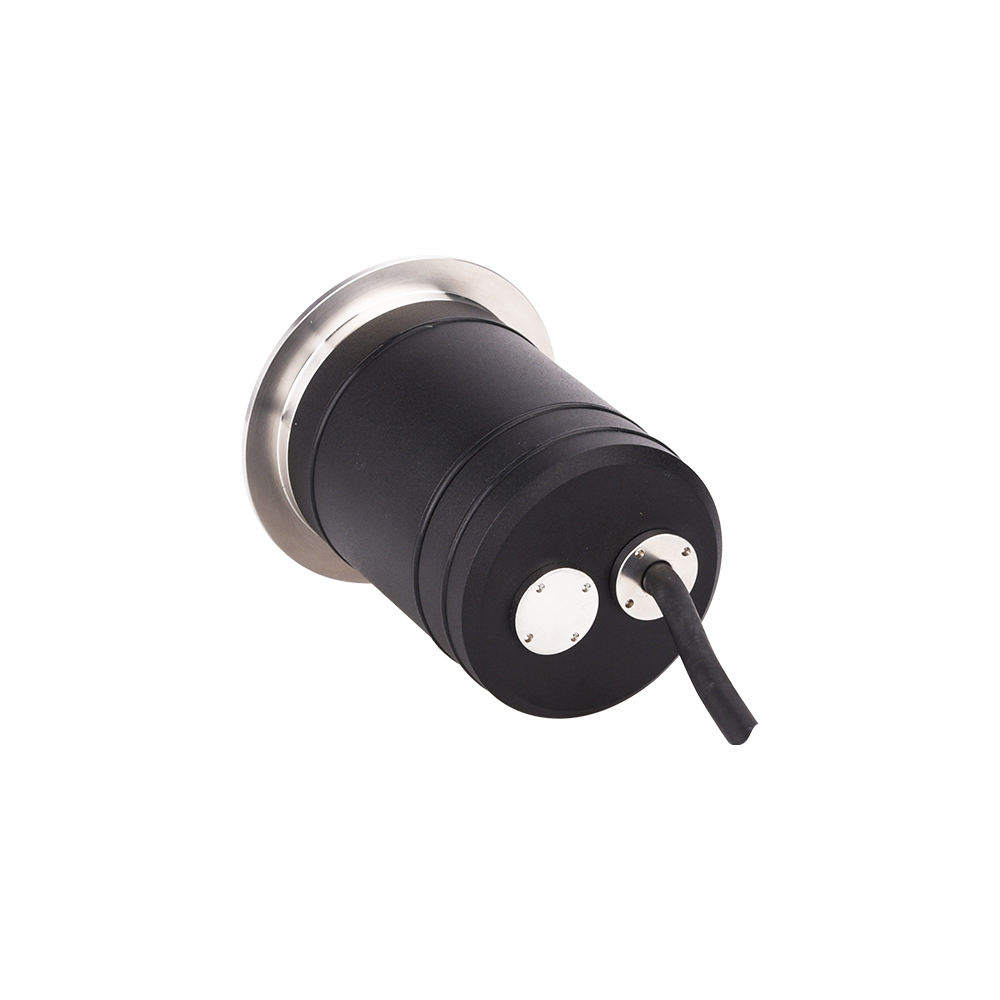
| Cable exit and access | Project-confirmed | Plan service access before paving, stone, or planting is closed. |
| Glare direction | Project-confirmed | Review sightlines from paths, seats, windows, and vehicle approach angles. |
Anti-Glare and Panel Options
| Option family | Source-backed status | Use in specification discussion |
|---|---|---|
| Anti-glare solution | Shown as an MA Series option direction | Use when pedestrians can see the light source from close range. |
| Round panel | Shown in the MA Series panel directions | Use for a classic recessed trim look. |
| Square or semi panel | Shown in the MA Series panel directions | Use when the paving pattern or facade geometry needs a straighter trim language. |
| Dual, triple, or quad panel directions | Shown in the MA Series panel directions | Review only after layout and beam direction are known. |
MA Series Positioning
| Model group | Source power group | Best selection role |
|---|---|---|
| MA32 | 1W | Smallest marker and detail lighting role. |
| MA42 | 2-3W | Compact accent where MA50 is larger than needed. |
| MA50 | 4-5W | Balanced compact uplight for closer architectural and landscape accents. |
| MA64 | 6-8W | Step up when the target needs more reach or a larger visible trim. |
| MA80 | 10-12W | Use when the surface, tree, or facade zone is larger. |
| MA100 / MA120 | 15-18W / 18-24W | Use for larger recessed uplight tasks after layout review. |
Buyer Inputs Before Quotation
| Input | Why it is needed | Useful detail to send |
|---|---|---|
| Target object | Beam width depends on object size and distance. | Facade bay, column width, tree size, sculpture size, or path edge location. |
| Mounting surface | Cut-out and drainage planning changes by stone, concrete, soil, or decking. | Material, thickness, recess depth, and maintenance access. |
| Viewing direction | Controls glare and spill-light review. | Main walking route, window line, seating area, and vehicle approach angle. |
| Beam preference | The source file gives multiple lens-angle choices. | Choose narrow focus, balanced accent, or softer coverage. |
| Panel and anti-glare preference | Visual trim and glare control affect the final appearance. | Round, square, semi, or directional panel discussion with sample image or drawing. |
| Control requirement | The control method should be confirmed for each project. | Send the intended driver/control system and wiring plan if already selected. |
Common Selection Mistakes
| Mistake | Why it causes trouble | Safer MA50 approach |
|---|---|---|
| Choosing by wattage only | Small recessed lights depend heavily on beam angle, setback, and target size. | Start with the object and beam effect, then confirm power group. |
| Ignoring cut-out depth | The recess must fit the fixture body, cable path, and water-management detail. | Check phi46*130mm opening planning before site work. |
| Assuming one control method from the route name | Control requirements vary by driver and project wiring. | State the control method in the project file before quotation. |
| Skipping glare review | Close-range in-ground uplights can be visible from paths or windows. | Use anti-glare and panel options as part of the layout review. |
Related Selection Pages
- LM1 in-ground light category
- MA42 compact in-ground light
- MA64 in-ground light
- MA80 in-ground uplight
- MA100 in-ground uplight
- MA120 in-ground uplight
- Beam angle guide
- In-ground light selection guide
- In-ground wall-wash planning guide
- Download center
- Contact Radiant Honor
FAQ
What is MA50 best used for?
MA50 is best treated as a compact recessed uplight for close-range facade details, garden edges, small trees, columns, steps, and plaza markers where the designer needs controlled beam selection in a small body size.
Is MA50 a fixed 5W product?
The MA Series source file places MA-50 in the 4-5W group and also lists MA50 5W in the component section. Use that as a source-backed reference and confirm the final project file before quotation.
Which beam angle should be selected?
Use 10 or 15 degrees for tight vertical accents, 24 or 36 degrees for balanced close-range accent lighting, and 50 or 60 degrees for softer coverage on shorter or wider surfaces.
Why does the cut-out size matter?
The source file lists phi46*130mm as the MA50 cut-out size. This affects sleeve planning, recess depth, drainage route, cable access, and service access before paving or landscape work is closed.
When should anti-glare options be reviewed?
Review anti-glare options whenever pedestrians, windows, seating areas, or vehicle approach angles may see the light source from close range.
Does the route name define the control method?
No. The visible specification should treat control as a project-confirmed requirement. Send the intended driver, wiring, and control plan before final quotation.
What should be sent before quotation?
Send the target object, cut-out environment, mounting surface, beam preference, panel preference, viewing direction, and control requirement so MA50 can be matched to the project without unsupported assumptions.
