
Products Description
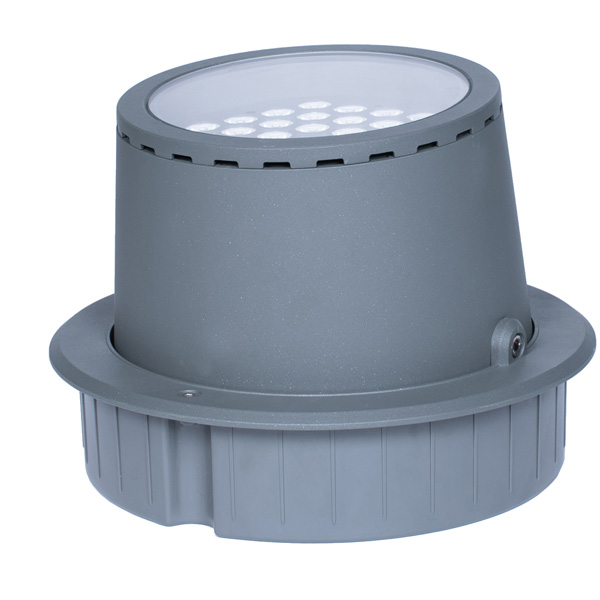
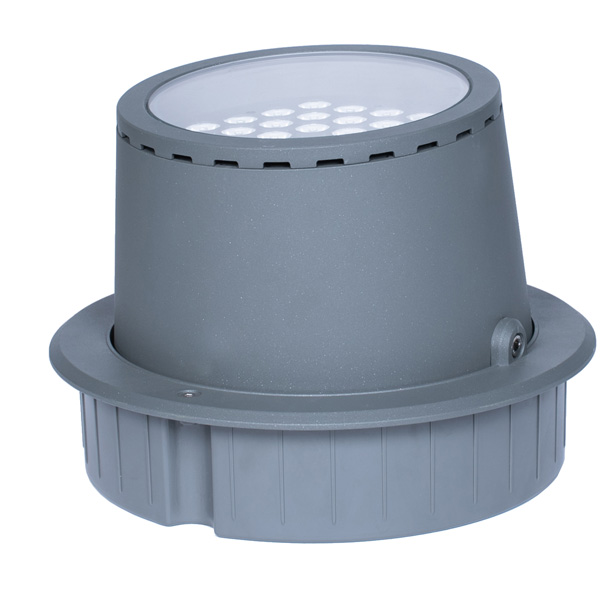
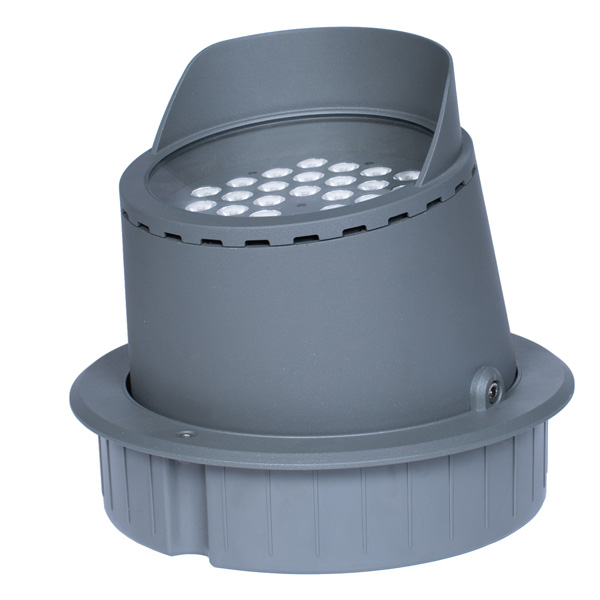
This 80W in-ground flood/spot light page is a high-output recessed planning guide for plaza features, large tree pits, facade-base accents, entrance edges and public-space landscape zones. The 80W label is kept as the live product route identity, while the final beam, color plan, control signal, cable route, housing detail and paperwork list must be confirmed from the project package.
Use this page when a project needs stronger recessed ground emphasis than the lower-power in-ground options, but still needs a careful review of mounting depth, viewing direction, surface material, glare control and service access before final selection.
Where does an 80W-class in-ground flood/spot light fit best?
An 80W-class recessed ground light is usually discussed for larger visual targets, broader site features or stronger upward accents. It should be planned only after the designer confirms the target height, setback, paving build-up and pedestrian viewing angles.
| Scene | Planning use | Buyer note |
|---|---|---|
| Plaza feature | High-output recessed emphasis for a central object | Confirm object height and viewing direction |
| Facade base | Ground-level accent for stronger vertical surfaces | Confirm setback, wall finish and aiming limit |
| Large tree pit | Stronger upward accent for taller planting | Confirm canopy size, trunk position and soil zone |
| Entrance edge | Recessed feature lighting near arrival routes | Confirm pedestrian glare and drainage detail |
How should an 80W recessed lighting inquiry be prepared?
The inquiry should start from drawings and site conditions rather than fixed public defaults. Share the plan, section, target surface, cable route, color schedule, control expectation and installation constraints so the recommendation can stay tied to real project evidence.
| Input | Why it matters | Preferred file |
|---|---|---|
| Plan drawing | Shows fixture position and target zone | CAD, PDF or marked image |
| Section detail | Shows recess depth and paving build-up | Construction detail |
| Target surface note | Clarifies height, material and viewing angle | Elevation, photo or markup |
| System note | Clarifies wiring and scene expectation | Project brief or lighting schedule |
Can this route be used for plazas, large trees and facade bases?
Yes, those are reasonable planning contexts for a high-output recessed ground-light discussion. The final fixture choice should still be confirmed project by project, because a plaza object, a tree canopy and a facade base can need different beam control, drainage design and visual-comfort handling.
| Target area | Planning direction | Confirmation point |
|---|---|---|
| Plaza object | Review target size and visitor path | Object height, finish and viewing distance |
| Large tree | Review aiming angle and canopy scale | Trunk location, planting bed and maintenance access |
| Facade base | Review setback and surface reflectance | Wall texture, shadow line and pedestrian route |
| Entrance zone | Review accent strength and glare comfort | Arrival path, fixture depth and drainage path |
What should be compared before selecting this high-output recessed option?
Compare this page with lower-power in-ground planning pages and compact MA models when the project is still balancing output, housing scale, visual comfort and installation depth. A stronger route label does not remove the need for a project-specific review.
| Comparison path | Use when | Relevant page |
|---|---|---|
| Medium recessed accent | The target needs a balanced ground accent | 48W in-ground planning guide |
| Flood/spot recessed planning | The target needs a stronger but still controlled ground light | 60W recessed flood/spot guide |
| Compact MA planning | The site needs a smaller housing scale | MA120 in-ground uplight guide |
| Category selection | The buyer is choosing a product family first | LED in-ground lights category |
How can glare and pedestrian comfort be reviewed?
Because a stronger recessed ground light can be close to walking routes, comfort review should happen before final selection. Confirm the viewing angle, walking direction, fixture trim, aiming direction and nearby reflective surfaces.
| Comfort factor | Risk if ignored | Review method |
|---|---|---|
| Viewing direction | Direct view into the source area | Mark primary walking and seating paths |
| Setback | Hot spot or uneven wall emphasis | Compare fixture line with target height |
| Trim and recess | Visible brightness at low angles | Review section detail and finish choice |
| Surface reflection | Unexpected brightness from glossy materials | Check paving, metal, glass and water nearby |
What project details should be confirmed before quotation?
Before quotation, confirm only the details that can be tied to the real project file. This keeps the page useful for SEO and buyer planning without turning uncertain items into public promises.
| Detail | Question to answer | Why it matters |
|---|---|---|
| Mounting position | Where will the recessed body sit? | Controls depth, cable route and access |
| Beam plan | What surface or object is being lit? | Controls aiming and visual result |
| Color plan | What color effect is requested? | Controls project configuration discussion |
| Paperwork list | Which buyer files are required? | Controls what can be checked before order review |
How does this page connect with the wider in-ground lighting cluster?
This page supports the high-output end of the in-ground planning cluster. Buyers can move from category selection to lower-power in-ground options, compact MA models, downloads and direct project discussion without relying on unsupported fixed claims.
For broader selection, review the LED in-ground lights category, compare the 36W in-ground light guide, check compact MA options such as MA80 in-ground uplight, then use the download area or contact page to share drawings and project files.
