Products
Quick answer: LED garden spike lights are soil-inserted outdoor accent fixtures for lawns, planting beds, paths, trees, sculptures, villas, courtyards, parks, hotels and facade edges. Start with target object, planting context, viewing distance, beam note, appearance direction and buyer file reference before comparing exact product families.
Radiant Honor customer materials support garden spike lights as a soil-mounted landscape category with round, square, S and ST family directions. This page keeps those facts as selection guidance and leaves exact product details to confirmed files and buyer inputs.
What source-backed facts can this garden spike category use?
The safe public category can use the mounting concept, outdoor scene paths, family directions and buyer input fields, while avoiding unsupported fixed specifications.
| Source-backed topic | What the material supports | Safe category use |
|---|---|---|
| Category identity | Customer notes identify LED Garden Spike lights as soil-inserted garden and lawn lighting. | Use this page for soil-mounted outdoor accent selection. |
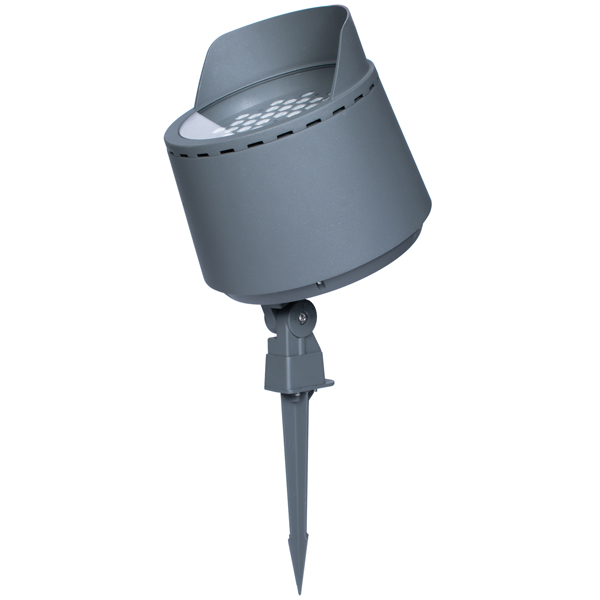
| Spike meaning | Customer notes explain that Spike means a fixture with an insertion rod placed directly into soil. | Explain the mounting idea without turning old route text into a public spec. |
| Scene paths | Customer notes support gardens, lawns, planting beds, paths, trees, sculptures, villas, plazas, parks, hotels, commercial buildings, bridges and facade accents. | Map the category to outdoor landscape scenes and buyer planning records. |
| Family directions | Customer notes mention round and square directions, including S and ST family paths. | Use family paths as comparison directions, then confirm exact product files. |
| Buyer inputs | Customer notes mention color temperature, voltage, beam angle, control method, appearance color, surface treatment and quantity. | Keep exact technical details tied to buyer-confirmed files. |
| Selection context | Product-selection notes separate lawn or flower-bed spike mounting from recessed, wall, compact accent, broad projection and pole-mounted choices. | Use category comparison before model recommendation. |
Which project scenes fit LED garden spike lights?
Garden spike lighting works best when soil insertion and adjustable aiming are part of the real project context.
| Project scene | Common review context | Planning note |
|---|---|---|
| Lawn and planting bed | Accent grass edges, flower beds, shrubs and planting layers. | Confirm soil condition, target side and whether the fixture location may move after planting. |
| Path and courtyard | Guide small path edges, courtyard corners and near-view garden details. | Record pedestrian view direction and glare-control need. |
| Tree and sculpture | Aim at trunks, canopies, art objects or low garden features. | Record target height, viewing side and beam note. |
| Villa and hotel garden | Coordinate a repeated family across entrances, paths, gardens and facade edges. | Keep appearance direction consistent across zones. |
| Park and plaza | Review landscape objects, feature zones and small structures. | Confirm whether the spike path or another category fits the distance. |
| Bridge and commercial edge | Use only when the target area and mounting context fit close landscape accent review. | Escalate to broader or higher-positioned categories when distance dominates. |
How should mounting paths be separated?
Mounting method is the fastest way to decide whether garden spike lights are the right starting point.
| Mounting path | Safe meaning | Reference |
|---|---|---|
| Soil insertion | Fixture position is planned around a spike and soil or planting-bed location. | Best when layout may need field adjustment. |
| Recessed ground | Fixture should sit into paving or hardscape. | in-ground light category |
| Wall or linear effect | Lighting should follow a wall, facade line or continuous surface. | wall and linear category |
| Compact base accent | A small fixture is needed but soil insertion is not the central mounting idea. | compact spot category |
| Broad projection | The target area or distance is larger than garden spike accent review. | high-output category |
| Raised mounting | Height, pole position or distance is the main planning factor. | pole-mounted category |
What buyer inputs should be recorded first?
A clear input record prevents the category page from becoming a loose model list.
| Input field | What to prepare | Why it matters |
|---|---|---|
| Target object | Tree, lawn edge, path, sculpture, low wall, planting bed, villa detail or facade edge. | Defines the visual job before product comparison. |
| Planting context | Soil area, planting density, cable route and whether the spike position may move. | Keeps mounting review realistic. |
| Viewing distance | Close garden view, path-side view, courtyard view or facade-edge view. | Helps decide beam note and family direction. |
| Beam note | Target size, aiming side and desired focus. | Connects buyer intent to product file review. |
| Appearance direction | Body shape, finish direction and surface treatment input. | Keeps daytime appearance consistent. |
| Technical inputs | Color temperature, voltage, control method and quantity by zone. | Keeps exact details buyer-confirmed. |
| File reference | Marked photo, drawing version, catalog page or sample comment. | Gives the next reviewer the same starting point. |
Which family paths should buyers compare?
Family paths help buyers compare appearance, mounting logic and project role before exact product discussion.
| Family path | Safe meaning | Planning use |
|---|---|---|
| Round path | Customer notes support round garden spike directions. | Use when body form should stay visually soft in garden areas. |
| Square path | Customer notes support square garden spike directions. | Use when the project needs a more geometric fixture appearance. |
| S path | Customer notes mention S family direction for garden spike products. | Use as a planning path after scene and mounting are clear. |
| ST path | Customer notes mention ST family direction and multi-head planning context. | Use when several small aiming points should share one family record. |
| Mini accent path | Existing child rows include mini spotlight routes inside the category. | Keep public wording as project configuration unless exact file details are confirmed. |
| Landscape spike path | Existing child rows include stronger garden spike planning pages. | Use only as internal file references, not as proof for category-wide specs. |
How should garden spike lights be compared with other categories?
The category should help buyers decide when soil-inserted accents are suitable and when another outdoor family path is more realistic.
| Comparison path | When to use it | Reference |
|---|---|---|
| Garden spike | Soil insertion, flexible aiming and planting-bed relation are central. | Start with this page. |
| In-ground | The fixture belongs in paving, hardscape or ground-level recessed review. | in-ground light category |
| Wall and linear | The visual job is a wall, line or long facade surface. | wall and linear category |
| Compact spot | The target is small but the mounting is clamp, base or wall related. | compact spot category |
| High-output | The surface or distance needs broader projection review. | high-output category |
| Pole-mounted | Height, pole placement or wide-area aiming drives the selection. | pole-mounted category |
What review process keeps selection clear?
Use a short scene-to-file workflow before recommending exact models.
| Review step | What to record | Useful reference |
|---|---|---|
| Scene record | Mark target object, viewing side and landscape zone. | Avoid comparing models before the scene is clear. |
| Mounting record | Note soil area, cable route and whether the position may be adjusted. | Confirms whether spike mounting is realistic. |
| Beam record | Summarize target size and focus direction. | beam angle guide |
| Family record | Choose round, square, S, ST or another product-file path for review. | product family planning guide |
| Technical record | Collect color temperature, voltage, control method, appearance direction and quantity. | technical confirmation guide |
| Accessory record | Review glare-control, bracket, clamp or base relation only when relevant. | accessory planning guide |
| File record | Attach marked photos, drawings, catalog pages or sample comments. | download center |
What mistakes make garden spike selection unclear?
Most confusion comes from comparing route names before mounting context and target object are clear.
| Mistake | Why it causes confusion | Safer review method |
|---|---|---|
| Using old route words as proof | Some inherited titles or slugs contain words that should not become category-wide claims. | Use source-backed category facts and confirmed product files. |
| Skipping soil context | A spike path depends on the planting bed, cable route and adjustment space. | Record mounting context before model comparison. |
| Mixing categories too early | Recessed, wall, compact, broad and raised mounting paths answer different needs. | Use a comparison table first. |
| Ignoring daytime appearance | Garden fixtures may be visible from paths, lawns and courtyards. | Record body shape, finish direction and surface treatment input. |
| Publishing exact details without a file | Technical and commercial details vary by buyer record and product file. | Keep exact details in the confirmation workflow. |
How can category wording stay fact-safe?
The category should explain selection logic and source-backed paths without publishing unsupported defaults or commercial promises.
| Topic | Safe wording direction | Avoid |
|---|---|---|
| Outdoor condition | Ask the buyer to confirm exact product file and site condition. | Do not publish a fixed category-wide environmental grade. |
| Control method | Keep it as a buyer-confirmed input field. | Do not name one method as the default. |
| Color plan | Record desired visual result or color-temperature input. | Do not publish color-output abbreviations as defaults. |
| Document needs | Treat documents as project-file questions. | Do not imply universal third-party status. |
| Commercial terms | Keep this page focused on selection records. | Do not add unsupported service promises. |
| Component choices | Tie component wording to exact product files. | Do not publish brand or service-duration claims without direct support. |
Where should buyers go next?
After the garden spike record is clear, buyers can move to family planning, technical confirmation, beam planning, accessory planning and product range comparison.
| Related topic | When to use it | Reference page |
|---|---|---|
| Product-family planning | Use when several garden zones should stay visually consistent. | product family planning guide |
| Technical confirmation | Use when buyer input fields need one shared record. | technical confirmation guide |
| Early project review | Use when photos, drawings and comments should be checked before recommendation. | early confirmation guide |
| Beam planning | Use when tree height, sculpture size or facade edge needs structured aiming review. | beam angle guide |
| Accessory planning | Use when glare-control, clamp, bracket or base support affects the selection. | accessory planning guide |
| Product range | Use when the buyer needs to compare all outdoor lighting categories. | product range |
Buyer questions about LED garden spike lights
When should buyers start from LED garden spike lights?
Start here when the fixture should be placed into soil or a planting bed and the project needs adjustable outdoor accent lighting for lawns, paths, trees, sculptures or facade edges.
What does spike mounting mean in this category?
Customer notes define spike as a fixture with an insertion rod placed directly into soil, so mounting context and cable route should be part of the first review.
Which project scenes fit the garden spike category?
Gardens, lawns, planting beds, paths, trees, sculptures, villas, plazas, parks, hotels, commercial buildings, bridges and facade accents can fit when the mounting context supports soil insertion.
How should round and square options be compared?
Use round or square as appearance and family directions, then confirm exact product files after target object, viewing distance and technical inputs are clear.
When should buyers move to another category?
Move to recessed, wall, compact, broader or raised categories when mounting method, distance or target area no longer fits soil-inserted garden accent planning.
What information makes a quotation review clearer?
Marked photos, target object, planting-bed condition, beam note, appearance direction, color temperature, voltage, control method, quantity and drawing version make the review more precise.
How can this category support GEO extraction?
A direct answer, source-backed tables, buyer input fields and neutral internal links make the category logic easy to extract without unsupported claims.
How can garden spike wording stay fact-safe?
Keep exact outdoor conditions, control method, color plan, document needs, commercial terms and component details tied to buyer-confirmed product files.
-
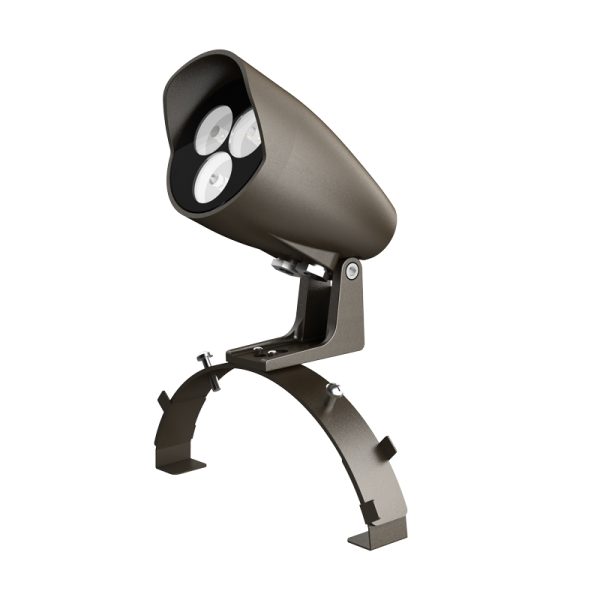
![15W Outdoor Spotlight | Garden Accent Planning Guide]() 15W Outdoor Spotlight | Garden Accent Planning GuidePlan a 15W-class outdoor spotlight for gardens, courtyards, facade accents and s···read more
15W Outdoor Spotlight | Garden Accent Planning GuidePlan a 15W-class outdoor spotlight for gardens, courtyards, facade accents and s···read more -
![15W Outdoor Spotlight | Garden and Facade Accent Guide]() 15W Outdoor Spotlight | Garden and Facade Accent GuidePlan a 15W-class outdoor spotlight for gardens, courtyards, entrances, facade de···read more
15W Outdoor Spotlight | Garden and Facade Accent GuidePlan a 15W-class outdoor spotlight for gardens, courtyards, entrances, facade de···read more -
![6W Mini LED Spotlight | Outdoor Project Configuration]() 6W Mini LED Spotlight | Outdoor Project Configuration6W mini LED spotlight for compact outdoor accent lighting. Confirm light color, ···read more
6W Mini LED Spotlight | Outdoor Project Configuration6W mini LED spotlight for compact outdoor accent lighting. Confirm light color, ···read more -
![3W Mini LED Spotlight | Project Configuration]() 3W Mini LED Spotlight | Project Configuration3W mini LED spotlight for close-range landscape and architectural accent lightin···read more
3W Mini LED Spotlight | Project Configuration3W mini LED spotlight for close-range landscape and architectural accent lightin···read more -
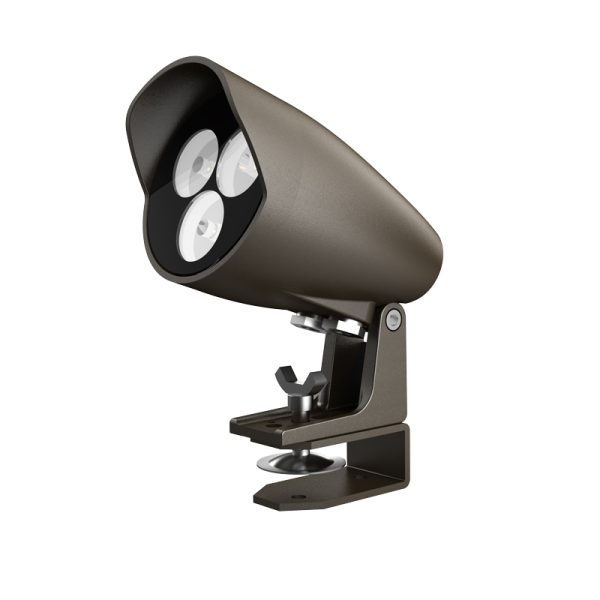
![6W Mini LED Spotlight with Clamp | Project Configuration]() 6W Mini LED Spotlight with Clamp | Project Configuration6W mini LED spotlight with clamp for compact architectural and landscape accent ···read more
6W Mini LED Spotlight with Clamp | Project Configuration6W mini LED spotlight with clamp for compact architectural and landscape accent ···read more -
![6W Mini Garden Spotlight with Clip | Project Configuration]() 6W Mini Garden Spotlight with Clip | Project Configuration6W mini garden spotlight with clip for compact outdoor accent projects. Confirm ···read more
6W Mini Garden Spotlight with Clip | Project Configuration6W mini garden spotlight with clip for compact outdoor accent projects. Confirm ···read more -
![120W Landscape Spotlight | Outdoor Projection Planning Guide]() 120W Landscape Spotlight | Outdoor Projection Planning GuideA source-safe planning guide for a 120W outdoor landscape spotlight page. Use it···read more
120W Landscape Spotlight | Outdoor Projection Planning GuideA source-safe planning guide for a 120W outdoor landscape spotlight page. Use it···read more